
Are you tired of the limitations in your WordPress theme? Do you wish you could make it truly yours by adding custom fields?
You’re not alone. Many WordPress users crave that extra layer of personalization to make their site stand out. The good news? It’s easier than you might think to add custom fields to your theme. Imagine the possibilities: more tailored content, improved functionality, and a unique user experience that keeps visitors coming back for more.
This guide will walk you through the process step-by-step, ensuring you not only understand how to do it but also feel confident in applying these changes. Ready to transform your WordPress site and make it uniquely yours? Let’s dive in.
Understanding Custom Fields
Custom fields allow users to add extra data to posts. They make your site unique. Each field can hold specific information. Fields may include author names or dates. They help organize content better. Users can add fields using the WordPress dashboard. It’s easy with a few clicks. Fields can be text, numbers, or even images. They enhance the look of your site. Custom fields are powerful tools. They give you more control. Proper use improves site functionality. Avoid clutter with too many fields. Focus on what’s necessary. Custom fields keep your site structured. They are essential for many themes.
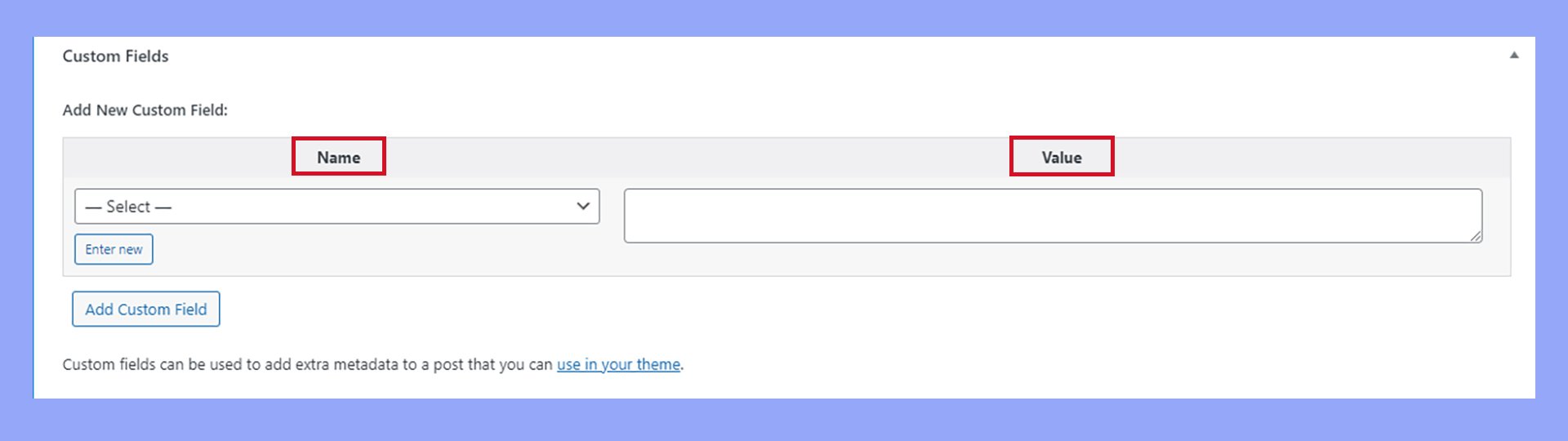
Credit: 10web.io
Benefits Of Custom Fields
Custom fields make your website unique. They allow you to add extra information. This can include text, images, or numbers. They provide flexibility in designing your site. Custom fields help organize content better. Your posts can have more detail. This means more engagement from visitors. Adding custom fields is easy. It improves website functionality. You can tailor your site to specific needs. Custom fields boost creativity. They let you show unique data. This can improve user experience. They can enhance your website’s look. Custom fields offer more control. They allow you to manage data effectively. Your site can look more professional.
Enabling Custom Fields
First, open your WordPress dashboard. Click on “Screen Options” at the top right. A menu will drop down. Find the “Custom Fields” checkbox. Make sure it is checked. This will show custom fields on your post editor. If you can’t find it, check your theme’s documentation. Some themes may hide these options.
Custom fields are useful. They allow extra data on posts. Add a field by clicking on the “Add New” button. Enter the field name and value. Save your post after adding fields. Check if the custom data appears in your post.
Custom fields can hold numbers, text, or links. They are flexible. They can display data in different ways. Some plugins enhance custom fields. Explore to find what fits your needs.
Creating Custom Fields
Custom fields help you add extra information to your posts. Using the WordPress dashboard is a simple way to create them. Navigate to the post or page where you want the custom field. Find the custom fields section below the post editor. Click on “Enter New” to add a new field. Enter a name for your field. Choose a value for your field and save it. This process lets you add special data easily.
Code allows you to add custom fields precisely. First, access your theme’s functions.php file. Add the code snippet to create a new field. Use PHP functions to register the field. Ensure you use the correct syntax. Save changes to the file. Now, your custom field will appear in the WordPress editor. This method offers more control over your fields.
Placing Custom Fields In Themes
First, find the theme files you want to edit. Go to your WordPress dashboard. Click on Appearance and then Theme Editor. Here, you will see a list of files. These files control how your theme looks. Identify the right file to add your custom field. Usually, it is the single.php or page.php file.
Open the file you identified. Find the right place to add the code. Add the custom field code here. Use the code php the_field('field_name'); ?. This displays the custom field. Save the changes. Make sure to backup your files first. This prevents losing your work.
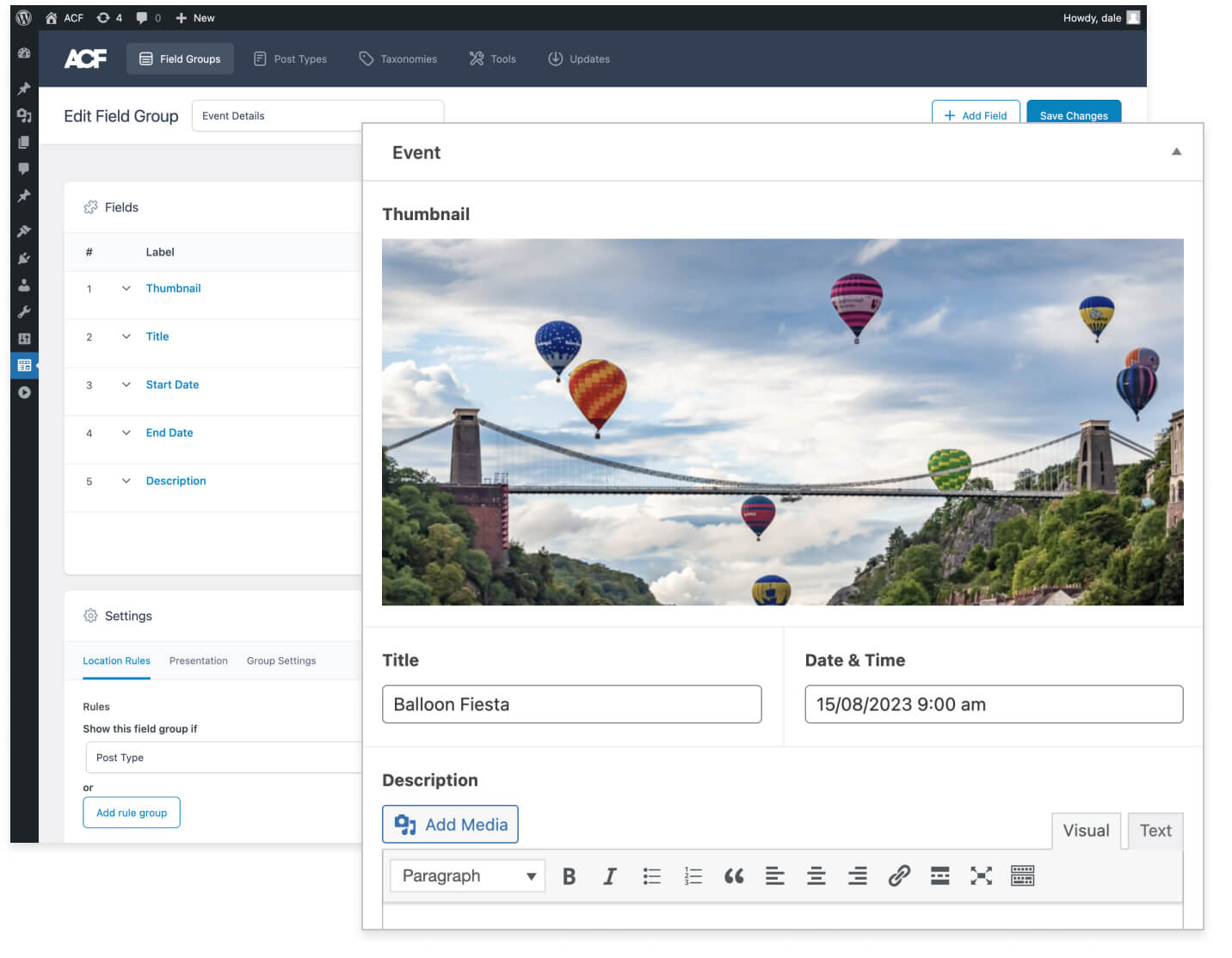
Credit: www.advancedcustomfields.com
Displaying Custom Fields
PHP code helps show custom fields in WordPress themes. First, find the theme’s template file. Then, add PHP code to it. Use get_post_meta() function. It gets the custom field value. Place the code where you need the field displayed. Save the changes. The field appears on your site. Always test after changes. It ensures everything works well.
WordPress functions are useful for displaying custom fields. Use functions like the_meta() or get_post_meta(). These functions help retrieve field data. They make it easy to show fields. Add these functions in your theme files. Then save and check the changes. Custom fields should display correctly. Remember to follow the steps. It makes the process smooth.
Styling Custom Fields
Custom fields can look better with CSS styling. Add your CSS code to the theme’s style.css file. This file controls how things look on your site. With CSS, you can change colors, fonts, and sizes. This makes your fields fit your site’s style.
Use custom classes for more control. Classes are labels for your custom fields. Add these classes in the HTML code. Then, use CSS to style them. For example, you can create a class called .my-custom-field. Then, style it with CSS like this:
.my-custom-field { color: blue; font-size: 14px; }This way, your fields will look just right.
Testing And Debugging
Checking for Errors is important when using custom fields in WordPress. Small mistakes can break your theme. Check every change you make. Use tools to find errors. They help you fix problems faster. Errors can hide in code. Look carefully at every line. Testing can catch hidden mistakes.
Ensuring Compatibility is key for smooth operation. Custom fields must work with your theme. They should fit with plugins too. Compatibility keeps your site running well. It prevents issues from arising later. Check your theme’s version. Ensure it supports your custom fields. Always update plugins and themes. This helps avoid conflicts.
Best Practices
Custom fields in WordPress themes enhance functionality by allowing personalized data entry for posts and pages. Use the Advanced Custom Fields plugin to easily add fields through the WordPress dashboard. Integrate these fields into theme files using PHP code for seamless customization.
Security Considerations
Always check user input in custom fields. This helps prevent security risks. Use validation and sanitization functions. These keep data safe and clean. Never trust user data without checks. It can cause big problems.
Maintaining Code
Keep your code organized and neat. Use comments to explain your work. This helps others understand. It also helps you later. Always test your code. Make sure it works well. Regular updates keep it fresh and secure. Good code is easy to read and fix.
Troubleshooting Common Issues
Struggling with custom fields in your WordPress theme? Follow straightforward steps to insert them effortlessly. Enhance your website’s functionality and design by integrating these fields seamlessly.
Custom Fields Not Displaying
Custom fields might not show due to several reasons. First, check if they are enabled in your WordPress settings. If not, go to the top right corner of your screen. Click on Screen Options and tick the custom fields box. Next, ensure your theme supports them. Some themes may need code changes to display fields. Make sure to add the correct code in your theme files. Using a child theme can help prevent loss during updates.
Conflicts With Plugins
Plugins can cause issues with custom fields. Some plugins may block or hide fields. Try deactivating each plugin one by one. This helps to find the plugin causing the problem. If a plugin is the issue, contact its support team. They might provide a fix or update. Keeping plugins updated can also resolve many conflicts.

Credit: wordpress.org
Frequently Asked Questions
What Is A Custom Field In WordPress?
A custom field is a feature in WordPress that allows users to add additional information to a post. This information is stored as metadata and can be used to display custom content. It’s beneficial for adding unique data like author details, ratings, or product specifications.
How Do I Create A Custom Field In WordPress?
To create a custom field, go to the post editor and find the “Custom Fields” box. If it’s not visible, enable it from the “Screen Options” menu. Click “Add New” to create a new custom field, assign a name and value, then save your changes.
Why Use Custom Fields In A WordPress Theme?
Custom fields enhance content by allowing additional metadata, improving personalization and functionality. They help tailor content presentation, making it relevant and engaging for users. They’re essential for creating dynamic, data-driven websites without altering core files.
Can Custom Fields Be Displayed In Any Theme?
Yes, custom fields can be displayed in any WordPress theme. However, you might need to modify the theme files. Use functions like `get_post_meta()` to retrieve and display the custom field values. This ensures the custom data appears in the desired location on your site.
Conclusion
Custom fields enhance your WordPress theme. They add flexibility and functionality. By following these steps, you can easily integrate them. Start by identifying where you need custom fields. Next, edit your theme files carefully. Always back up your data before making changes.
This ensures safety and prevents data loss. Custom fields allow better content management. They help tailor your website to specific needs. With practice, you’ll find them easy to use. Keep exploring and experimenting. Your theme will become more dynamic and user-friendly.
Enjoy the creative process and make your site unique.


