
Choosing the right web host is like finding the perfect home for your website. It’s where your online presence will live, grow, and thrive.
But with so many options out there, how do you make the right choice without feeling overwhelmed? Imagine a simple, stress-free process that leads you to the ideal host tailored to your needs. In this guide, you’ll discover the key factors to consider, ensuring your website stays secure, fast, and always available for your visitors.
Ready to unlock the secrets to a smooth hosting experience? Let’s dive in and simplify your decision-making process.
Types Of Web Hosting
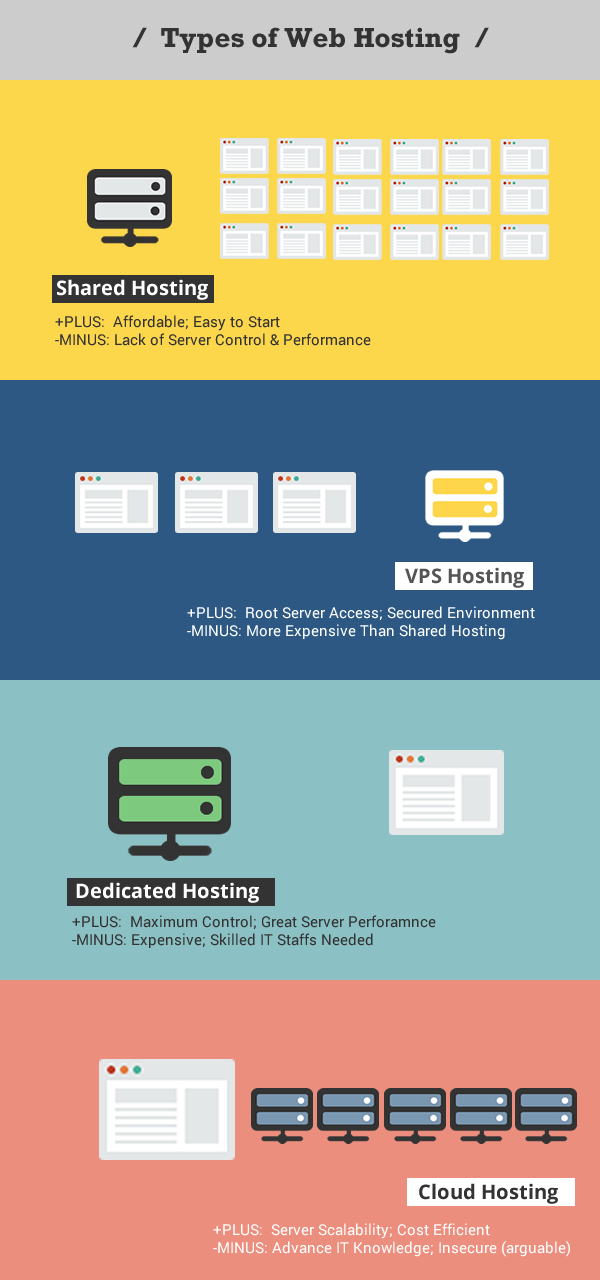
Shared hosting means many websites on one server. This option is often cheap. It’s good for small websites. But it can be slow. If one site gets busy, others slow down. Best for beginners and simple sites.
VPS means Virtual Private Server. It splits a server into virtual parts. Each site gets its own part. More control than shared hosting. Costs more too. Good for growing sites needing more power.
Dedicated hosting gives a whole server to one site. No sharing at all. Offers lots of power and control. Ideal for big sites with lots of traffic. But it’s expensive. Requires technical skills to manage.
Cloud hosting uses many servers. If one server fails, others take over. It’s very reliable. Good for sites with changing traffic. Costs depend on usage. Can be cheaper or more expensive. Provides great flexibility.

Credit: www.unica.host
Key Features To Consider
These are very important. Bandwidth affects your site speed. More bandwidth means faster site. Storage is about how much data you can keep. Choose enough storage for your needs. Small sites need less storage. Big sites need more storage. Make sure to check these before buying.
This tells you how often your site will be online. Look for at least 99% uptime. Less than this can hurt your site. If the site is down, people cannot visit. Check the host’s history. Good hosts have high uptime. They keep sites online.
Support helps when problems happen. Good support is fast and friendly. Check if support is 24/7. You may need help anytime. Also, see if they help in your language. This makes it easier to talk to them.
Scalability means you can grow. As your site grows, you need more resources. Choose a host that can grow with you. Look for easy upgrade options. This helps you avoid moving hosts later.
Pricing And Plans
Free hosting sounds great. No cost at all. But, there are limits. You may face ads. These ads are not yours. Also, your site could be slow. Paid hosting offers better features. You get more speed. Also, more support. Your site can grow bigger. Think about what you need. Free can be a start. But paid is often better.
Finding a good deal is key. Look for cheap hosting plans. Some start as low as $3 a month. Check what is included. Storage and bandwidth are important. Also, customer support. A good host helps when you need it. Compare different hosts. See what fits your budget. Remember, cheap does not mean bad.
Some hosts have extra fees. They may not be clear at first. Look for setup fees. Also, renewal costs can be higher. Check for extra charges. Like backups or extra storage. Read the fine print. Know what you are paying for. Avoid surprises later.

Credit: www.sitesaga.com
Security Measures
SSL Certificates keep data safe between users and websites. They protect information like passwords and credit card numbers. Websites with SSL show a padlock symbol. This means the site is secure. SSL helps build trust with visitors.
Data Protection is crucial for web hosting. It involves keeping user data safe from hackers. Hosts use firewalls and encryption to protect information. Good hosts monitor their servers constantly. They alert users to any suspicious activity.
Backup Solutions save data in case of a problem. Hosts should offer regular backups. This ensures data is not lost during crashes or attacks. Look for hosts that provide easy recovery options. Backup solutions are a safety net for websites.
Performance And Speed
Choosing a web host requires a focus on performance and speed. Quick loading times keep visitors engaged and improve search rankings. Reliable hosts offer fast servers and excellent uptime, ensuring your site runs smoothly.
Server Locations
Server locations are very important. They affect the speed of your website. Choose a host with servers near your users. This helps pages load fast. Fast loading pages keep visitors happy. Happy visitors stay longer on your site.
Content Delivery Network
A Content Delivery Network, or CDN, is very helpful. It stores copies of your website in different places. This makes your website load faster everywhere. A CDN is like having many tiny servers all around the world. Your site becomes quicker for everyone.
Optimization Tools
Good web hosts have optimization tools. These tools help your website perform better. They make sure your site is fast. They fix problems that slow down your site. Faster sites are easier to use. Easy sites keep visitors coming back.
User-friendly Interface
The control panel should be simple. Look for a host with an easy-to-use control panel. This helps to manage your website without hassle. Features like drag-and-drop site builders can be very helpful. Ensure the panel offers basic and advanced tools. This lets you customize the site easily.
Your host must be easy to use. Choose one that offers a simple setup process. Make sure the steps are clear. This ensures quick website creation. A host with a clear dashboard makes tasks easier. You should find settings with ease.
Integration options are key. Ensure the host supports popular applications. This includes tools like WordPress or Joomla. Check if you can add plugins easily. This helps you enhance your site’s functionality. Look for hosts that support third-party services too.
Reviews And Reputation
Selecting a web host involves checking reviews and reputation. Positive feedback from users indicates reliability. Negative reviews may signal potential issues. Prioritize hosts with strong reputations for quality service and support.
Customer Testimonials
Customer testimonials are vital for choosing a web host. They offer real insights into service quality. Positive reviews can mean reliable service. Negative comments might show common issues. Read many reviews for a balanced view. Focus on hosts with consistent positive feedback. This shows strong reliability and trust.
Industry Awards
Industry awards showcase a host’s excellence. Awards highlight top-performing companies. They prove a company meets high standards. Check if your web host has won awards. Awards signal trust and expertise. They are a sign of quality service.
Social Media Presence
A strong social media presence shows engagement. Active social media means good communication. It reflects how well a host interacts with users. Check for regular updates and responses. This indicates a host cares about customers. A lively online presence builds trust. It helps gauge company reliability.
Trial Periods And Money-back Guarantees
Consider trial periods and money-back guarantees when selecting a web host. These options offer risk-free opportunities to test services. Choose hosts that provide flexibility and assurance, ensuring satisfaction before committing long-term.
Risk-free Trials
Many web hosts offer risk-free trials for new users. This means you can test their services without paying first. It’s like trying a toy before buying it. If you don’t like the host, you can leave. No cost involved. This is a great way to see if the host fits your needs. Always check how long the trial lasts. Some offer 30 days, others only a week. Choose wisely and make sure you have enough time to test everything.
Refund Policies
Refund policies are important when picking a web host. If you’re unhappy, you can get your money back. Read the terms carefully. Some hosts give full refunds, others may keep a small fee. Know what to expect before paying. A clear refund policy shows the host trusts their service. Always choose hosts with friendly refund terms. This ensures you don’t lose money if you change your mind.
Customization And Flexibility
Choosing the right web host is important. Ensure the host supports your software needs. Some websites need special software to run. Check if your host supports PHP, Python, or other languages. This can affect your website’s performance.
Compatibility with databases is crucial. Some sites use MySQL or PostgreSQL. Make sure these are supported. Updates are important too. Hosts should keep software up to date. This helps keep your site safe.
Themes change your website’s look. Check if your host supports popular themes. WordPress themes are common. Plugins add features to your site. Make sure your host supports plugin installations.
Some plugins need special settings. Ask if your host allows these settings. A good host supports many plugins. This lets you customize your site easily.
Credit: problogger.com
Future-proofing Your Choice
Choose a web host that allows your site to grow. Storage and bandwidth are key. These must scale with your needs. Some hosts offer unlimited plans. Others charge more as you grow. Understand these options well. Look for easy upgrades. This helps when traffic increases. A flexible host saves time and money.
Reliability is important for long-term success. Check the host’s track record. Read reviews from other users. This shows how they handle problems. Support is crucial too. Fast help can save your site. A good host stays updated. They use the latest technology. This keeps your site safe and fast. Always plan for the future.
Frequently Asked Questions
How Do You Choose The Best Web Host?
Select a web host with reliable uptime, fast speed, excellent customer support, and scalable plans. Check reviews and ensure security features align with your needs.
What Is The Best Host For A Website?
The best host depends on your website needs. Consider Bluehost for WordPress, SiteGround for reliability, or HostGator for affordability. Each offers unique features like excellent uptime, customer support, and scalability. Evaluate your requirements to choose the right hosting provider.
How Do I Find A Host For My Website?
Research hosting providers online. Compare features, pricing, and reviews. Consider your website’s needs. Choose a reliable host with good customer support. Sign up and follow their setup instructions.
What Are The 3 Types Of Web Hosting?
The three main types of web hosting are shared hosting, VPS hosting, and dedicated hosting. Shared hosting involves multiple websites sharing server resources. VPS hosting offers a virtual private server with dedicated resources. Dedicated hosting provides an entire server exclusively for one website, ensuring maximum performance and control.
Conclusion
Choosing the right web host is vital for your website’s success. Consider your needs carefully. Look at storage, speed, and support options. Budget is important too. Compare hosting plans from different providers. Read user reviews for honest insights. Test customer support if possible.
Secure hosting ensures peace of mind. Check for SSL certificates and backup features. Remember, a reliable host keeps your site running smoothly. Your choice impacts your online presence. Make an informed decision. Happy hosting!


