Are you tired of the same cookie-cutter look that every WordPress site seems to have? Maybe you’re itching to create something truly unique that stands out from the crowd.
If you’re nodding your head, you’re in the right place. Ditching the traditional WordPress theme might sound daunting, but it could be your golden ticket to a website that captures attention and retains it. Imagine having complete control over every aspect of your site’s design, functionality, and user experience.
This article will guide you on how to break free from the constraints of WordPress themes. By the end, you’ll understand the steps to crafting a bespoke website that resonates with your vision and speaks directly to your audience. Ready to unlock the door to creativity? Let’s dive in!
Common Missteps With Themes
Some themes don’t work with all plugins. This can cause problems. Always check if a theme is compatible with your plugins. This step is very important. It saves time and trouble.
Themes often need updates. Updates keep your site safe and smooth. Ignoring updates can cause issues. Problems like security risks and bugs. Always update your theme when new versions come out.
Too many themes can slow your site. Each theme takes space and resources. Choose one theme and stick to it. This keeps your site fast and efficient. Remove themes you don’t use. It’s better for site health.
Credit: www.dreamhost.com
Choosing The Wrong Theme
Pretty themes catch the eye. Yet, looks aren’t everything. A theme must work well too. A beautiful site that loads slow is a problem. Visitors won’t wait. They will leave quickly. Speed matters more than beauty sometimes. Make sure the theme is fast and easy to use.
A theme should fit your needs. It needs to support your site’s functions. Missing features can cause trouble later. Check if the theme has what you need. Think about your site’s goals. Pick a theme that helps you reach them. Function is key.
Reviews tell a lot about a theme. Users share real experiences. They talk about problems and good things. Reading reviews helps you learn. Avoid themes with many bad reviews. They might have issues. Trust themes with good feedback. Reviews guide you to a better choice.
Customization Pitfalls
Many themes come with built-in features. People often change too many things. This can lead to slow loading times. Themes can become unmanageable. Too many changes make updates hard.
Changing the main files is risky. Updates can overwrite changes. This can break your site. Always keep core files safe. They are important for site stability.
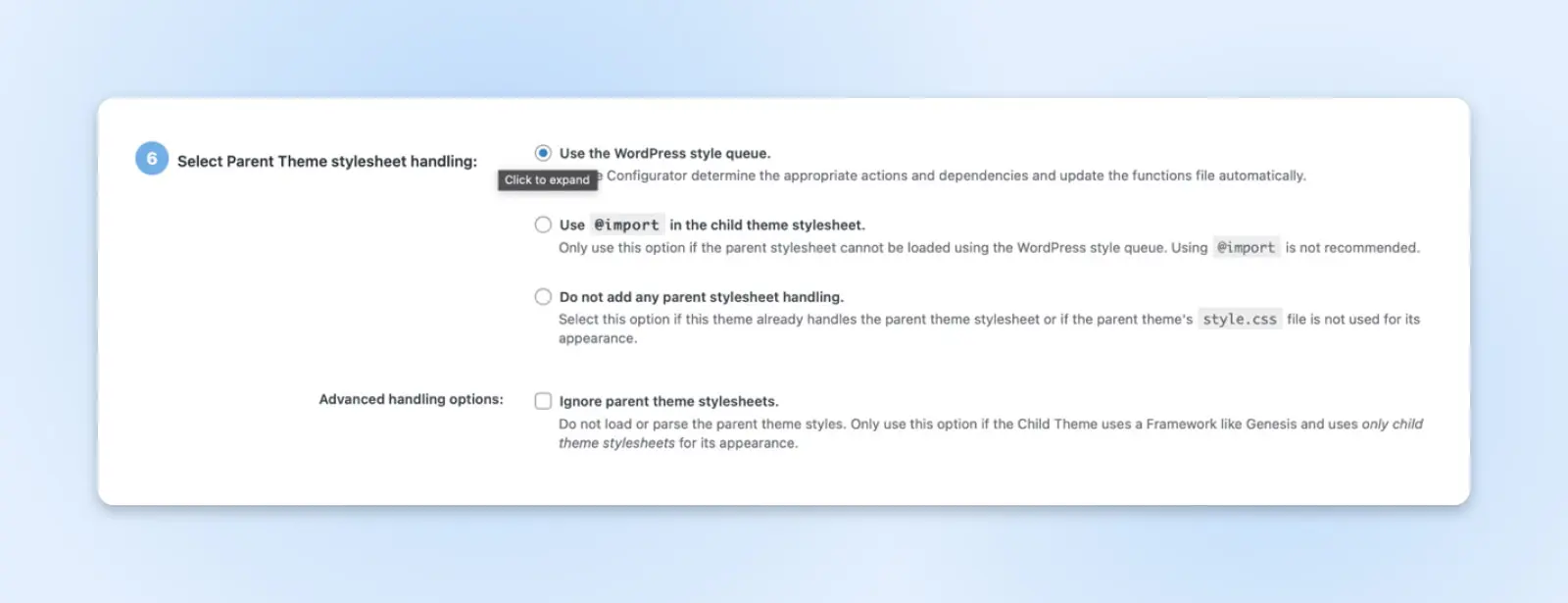
Child themes are helpful. They keep changes safe during updates. Without them, updates can remove custom changes. Using a child theme helps maintain your work.
Performance And Security Risks
Old themes can be risky. They may not work well. Hackers love them. They find easy ways in. Updates fix these problems. Without them, your site is weak. You may also miss new features. These features make your site better.
Security is key. Themes need strong locks. Weak locks let bad people in. They can break things. They might steal information. Good themes have strong locks. Always check for these locks. Protect your site from harm.
A slow site is bad. Visitors might leave fast. Speed matters a lot. Fast sites keep people happy. Optimize your theme for speed. This helps your site run well. Happy visitors come back often.
Dependence On Theme Features
Many people depend on built-in theme features. This can limit creativity. Themes often come with predefined styles. These styles might not fit your needs. Relying solely on these features can make your site look like many others. It is crucial to explore other options. Customizing your theme can make your site unique.
Custom plugins can add special functions to your site. Not using plugins can restrict your site’s capabilities. Themes might not provide all needed features. Plugins can help in adding extra layers of functionality. They can make your site more versatile. Always consider using plugins for better performance.
Backup strategies are vital for any website. Without a backup, data can be lost. Many themes do not focus on backup solutions. Losing your site data can be disastrous. Regular backups ensure data safety. It is important to have a solid backup plan. This protects your site from unexpected issues.

Credit: www.saintfinancialgroup.co.uk
Neglecting Mobile Responsiveness
Mobile responsiveness is very important. Many people use phones to browse. A theme should look good on phones. If it doesn’t, users will leave. This can hurt your site. People want easy reading. They like sites that work well on phones. A bad theme can make the text too small. It might make buttons hard to click. This can be frustrating. Users want things to work right away. They won’t wait long. They’ll go to another site. So, always check your theme. Make sure it works on all devices. This will keep your visitors happy. And they will stay longer on your site.
Ignoring Seo Best Practices
Many themes ignore SEO best practices. They might look great. But they are not optimized. Search engines need proper tags. Without them, sites may rank low. It’s important to have clean code. Some themes are messy. This can affect loading speed. Slow sites lose visitors. Ensure the theme is mobile-friendly. Many users browse on phones. Poor mobile design turns them away. Use themes that follow SEO guidelines. This helps in better ranking. Themes should have simple navigation. Hard-to-find pages confuse users. They might leave your site quickly.
Customization options are vital. Some themes limit changes. This can hurt SEO. Choose themes with flexibility. That way, you can adapt easily. Always check for regular updates. Themes should be updated often. Older themes may have security risks. They can also lack new SEO features.
Failing To Test Changes
Skipping Staging Environments can cause big problems. Small mistakes may break your site. Testing changes first is smart. This helps to catch errors early. Staging sites are like practice runs. They show what might go wrong. Always test updates here first. This saves time and trouble later. Never skip this step. It keeps your site safe and working well.
Forgetting Cross-Browser Testing can upset visitors. Different browsers show sites differently. Testing on all browsers is key. This ensures everyone sees your site correctly. Some browsers may have quirks. Testing helps find these issues. Fix them before going live. Your site should look good everywhere. Test on Chrome, Firefox, and others. This makes users happy.

Credit: blogvault.net
Frequently Asked Questions
What Are Alternatives To Using WordPress Themes?
Consider using custom HTML/CSS for complete control over design. Platforms like Webflow or Wix offer visual site-building without themes. They provide flexibility and ease of use. Another option is hiring a web developer to create a bespoke design that perfectly fits your needs and brand, ensuring uniqueness and functionality.
How Can I Design Without WordPress Themes?
Use page builders like Elementor or Beaver Builder. These tools offer drag-and-drop functionality. They allow for custom layouts without relying on pre-made themes. Alternatively, learning basic HTML and CSS can enable you to create and design a website from scratch, providing complete customization.
Why Avoid Using WordPress Themes?
WordPress themes can limit customization and lead to generic designs. Some themes may also be bloated, slowing down your site. By not using themes, you ensure your website has a unique design and optimal performance. Custom solutions can be tailored specifically to your brand and functional requirements.
Can Custom Code Replace WordPress Themes?
Yes, custom code can fully replace WordPress themes. It allows for tailor-made designs and functionality. Custom coding ensures your website meets specific requirements without unnecessary features. This approach can improve performance and security, offering a unique, branded user experience tailored to your needs.
Conclusion
Choosing the right WordPress theme is crucial. Your website’s success depends on it. Avoid themes that don’t suit your needs. Prioritize functionality over appearance. Consider site speed and user experience. Themes with too many features can slow down your site.
Focus on simplicity and clarity. Test themes before finalizing them. Ensure they align with your brand’s vision. Keep your audience in mind while selecting. Remember, a good theme enhances content. It makes navigation easy. Don’t compromise on quality. Your site should be both attractive and efficient.
With careful selection, your website will thrive.