
Are you struggling with managing your web hosting server? You’re not alone.
Handling a server can feel overwhelming, especially when you’re juggling security, updates, and performance. But don’t worry, you’re about to discover how to simplify this complex task. Imagine having control over your server, ensuring that your website runs smoothly and efficiently.
You’ll learn actionable tips that will empower you to manage your server like a pro, even if you’re not a tech guru. This guide is designed to be straightforward, helping you grasp essential techniques without the technical jargon. Dive in, and unlock the secrets to a stress-free web hosting experience. Your website deserves the best, and you can make it happen.
Choosing The Right Server
Shared hosting means many websites on one server. It’s cheap and easy. But, it can be slow if others use too much. Dedicated hosting is for one site only. It’s fast and secure. But, it’s more expensive. Choose based on your site’s needs.
Cloud hosting uses many servers. It’s flexible and scalable. Good for growing websites. VPS hosting is like having your own mini-server. It’s stable and has more control. But, less flexible than cloud hosting. Think about your site’s future.
Look for storage and bandwidth. Make sure they fit your site’s size. Check for security features. Keep your data safe. Ensure customer support is available. Help should be there when you need it. Uptime is important too. Your site should be online most of the time.
Setting Up Your Server
Begin by choosing the right server software. Popular choices include Apache and Nginx. Download the software from their official websites. Follow the installation guide provided. Ensure your computer meets the software requirements. Installation is usually simple. Follow the steps carefully. Once installed, check if the software runs smoothly.
Set up your DNS settings to connect your domain. Access your domain registrar’s site. Find the DNS settings section. Enter the server’s IP address. Save changes to apply the settings. It may take time to update. Verify the connection by visiting your domain. Your server should now be linked to your domain.
Secure your server by creating user accounts. Log in to the server as admin. Use the command line interface. Create new users with specific roles. Assign passwords for safety. Limit user permissions as needed. Regularly update passwords. This keeps your server secure and organized.
Security Measures
Firewalls keep your server safe. They block unwanted traffic. Only trusted traffic can pass through. This reduces the risk of attacks. Firewalls are like a shield for your server. They are important for server security.
Always update your software. Updates fix security flaws. They keep your server safe. Old software can be risky. Hackers find it easier to attack. Updates are like a guard for your server.
SSL certificates protect data transfer. They keep information safe. No one can read it without permission. SSL is important for website trust. Visitors feel safe on your site. It shows your site is secure.

Credit: www.interserver.net
Performance Optimization
Caching helps speed up your website. It stores copies of your web pages. This reduces load times. Use browser caching to save site data on users’ devices. Try server-side caching to store data on the server. Both methods improve performance. Choose a caching plugin if using WordPress. It makes the process simple.
A slow database affects site speed. Regularly clean your database. Remove old files and data. Use database optimization tools. They help arrange data neatly. This makes access faster. Optimize your database tables often. It keeps your server running smoothly.
Always check your server’s load. High load means slow performance. Use monitoring tools to track server activity. These tools show how busy your server is. If the load is high, consider upgrading resources. This ensures your site works well for users.
Data Backup Strategies
Automated backups save time. They work without human help. Scheduling backups is easy. Pick daily or weekly. Software tools help automate tasks. They keep data safe. Alerts notify of issues.
Keeping data away from the server is smart. Offsite storage protects against local threats. Fire or theft can’t harm it. Cloud services offer offsite options. They store data remotely. Access from anywhere is possible.
Restoring data is crucial. Follow simple steps to recover files. Test the restoration process regularly. Practice makes it easy. Document procedures for quick access. Ensure all staff knows them.
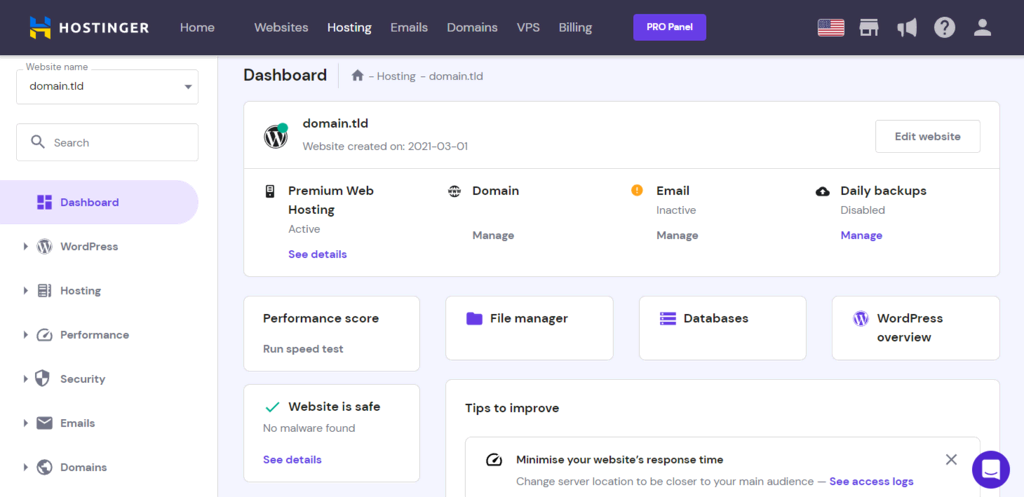
Credit: www.ultimatewb.com
Troubleshooting Common Issues
Server downtime can be frustrating. First, check if the server is online. Use ping tools to test its response. If no response, the server might be down. Check the server logs. Logs often show errors or warnings. Look for recent changes made. Sometimes changes cause downtime. Restart the server if needed. This can fix many problems. Monitor your server regularly. This helps catch problems early.
Security breaches can be scary. Always use strong passwords. Update them often. Keep your software updated. Outdated software is risky. Use firewalls to block unwanted traffic. Firewalls protect your server. Regularly scan for viruses or malware. Use security tools for this. Backup your data frequently. Backups save you in emergencies. Train your team in security practices. Everyone should know what to do.
DNS errors stop websites from loading. First, check your DNS settings. Ensure they are correct. Use online tools to test DNS. These tools find errors quickly. If DNS records are wrong, update them. Changes might take time to work. This is called propagation. Be patient and check again later. If issues persist, contact your hosting provider. They can help resolve complex DNS problems.
Scaling Your Server
Old servers can slow down. Upgrade them for better speed. More RAM helps your server run faster. A powerful CPU boosts performance. SSD storage is quicker than HDD. Network cards can improve internet speed. Choose reliable hardware for long-lasting servers.
Load balancing shares traffic across servers. It makes sure no server gets too busy. Switch traffic to less busy servers. It keeps your site online. Avoid downtime with good load balancing. Balance is key to smooth performance. Users enjoy faster page loads.
Cloud solutions help scale servers. They offer flexible resources. Virtual servers grow with your needs. Data stays safe in the cloud. Backup is automatic. Access files from anywhere. Cloud is good for busy websites. Integration improves server efficiency.

Credit: wegic.ai
Cost Management
Set a clear budget for your hosting expenses. Decide how much you can spend. Make a list of your needs. This helps avoid extra costs. Always check for hidden fees. This ensures you stay within budget.
Compare different service providers. Look at their prices and features. Check user reviews too. This helps find the best deal. Good research saves money. Choose a provider that fits your needs best.
Use resources wisely to save money. Monitor server usage regularly. Remove unnecessary files and apps. This frees up space. Upgrade only when needed. Smart management keeps costs low.
Frequently Asked Questions
How Do I Host And Manage A Website?
Choose a reliable web hosting provider. Register your domain name. Install a content management system (CMS) like WordPress. Upload website files using an FTP client. Regularly update content and software. Use analytics tools to monitor performance. Backup data routinely to ensure security.
How To Set Up A Web Hosting Server?
To set up a web hosting server, choose a reliable hosting provider. Install server software like Apache or Nginx. Secure the server with firewalls and antivirus. Configure domain settings and databases. Regularly update software and monitor server performance for optimal operation.
How To Maintain Your Own Server?
Regularly update software and monitor server performance. Backup data frequently and check for security vulnerabilities. Clean up unused files and optimize storage. Ensure stable internet connectivity and power supply. Use firewall and antivirus protection to safeguard the server.
What Are The Three Types Of Web Hosting?
The three types of web hosting are shared, VPS, and dedicated hosting. Shared hosting is affordable and suitable for small websites. VPS hosting offers more resources and control. Dedicated hosting provides exclusive server access, ideal for high-traffic sites. Each type suits different needs and budgets.
Conclusion
Managing a web hosting server can seem challenging. But with practice, it becomes easier. Always keep your software up-to-date. Monitor server performance regularly. This helps prevent issues before they arise. Backup your data frequently. This ensures data safety and recovery.
Use strong passwords to protect your server. Security is crucial for online success. Optimize your server settings for better performance. A well-managed server boosts website speed and reliability. Implement these tips and your server will run smoothly. Enjoy a hassle-free web hosting experience.
Stay informed and adapt to new technologies. Your website deserves the best care.


