
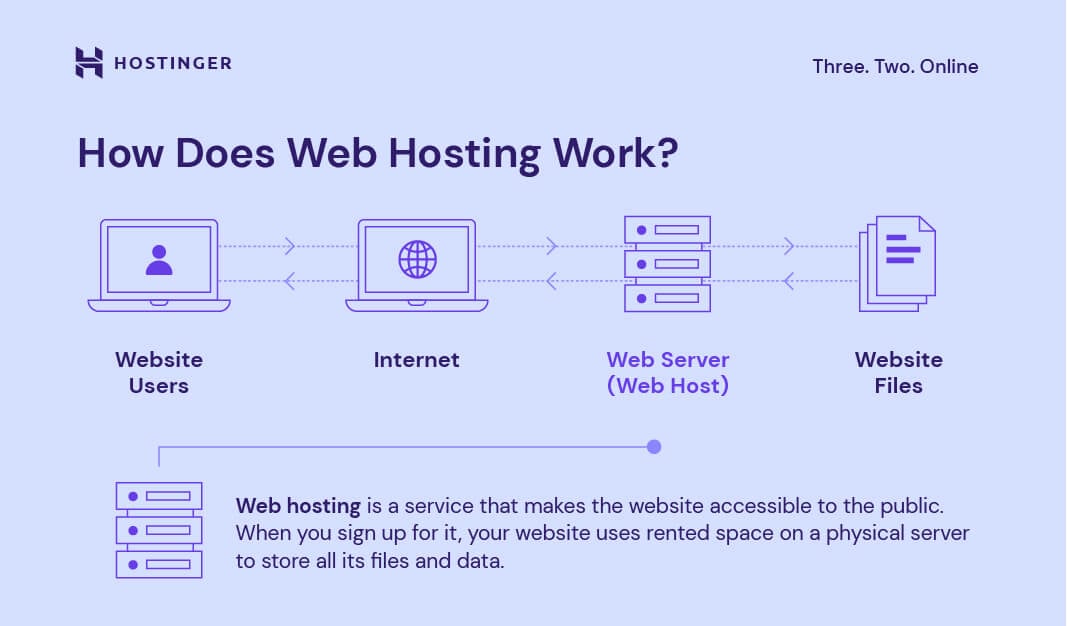
Are you looking to unlock the secrets of creating your very own web hosting server? Imagine the power and control you’ll have when you no longer need to rely on third-party services.
This guide is crafted just for you, making the process simple and straightforward. Whether you’re a tech enthusiast or a small business owner wanting to save costs, this article is your key to independence. By the end of this read, you’ll be equipped with all the knowledge needed to set up a server right from your home or office.
Let’s dive in and demystify the world of web hosting together!
Credit: www.hostinger.com
Choosing The Right Hardware
A strong CPU makes tasks run fast. Servers need a powerful processor. Choose a multi-core CPU. It helps with more users. RAM is like short-term memory. More RAM means better speed. Look for at least 8GB RAM. This will keep processes smooth.
Storage is where data lives. Solid-state drives (SSD) are fast. They help load websites quickly. Hard drives (HDD) are cheaper. Use them for backup. Choose wisely. Balance cost and speed. Many servers use both SSD and HDD. This helps keep data safe.
Network equipment connects servers to the internet. A good router is needed. It manages data flow. Switches help with connections. They make sure data moves efficiently. Quality cables matter too. They must be reliable. This ensures stable network speed.

Credit: www.siteuptime.com
Setting Up The Operating System
Linux is free and open source. It is popular for servers. Windows costs money and is user-friendly. It is good for beginners. Both have pros and cons. Choose based on your needs. Linux offers more control. Windows is easier to use.
Start with downloading the OS. Burn it to a bootable USB. Insert the USB into the server. Follow on-screen instructions. Choose your language and time zone. Set up partitions. Wait for the installation to complete. Restart the server. Remove the USB when done.
Update the system regularly. Install only needed software. Set up a strong firewall. Use passwords that are hard to guess. Monitor the server’s performance. Back up data often. Keep the server environment clean and organized. Check logs for any issues.
Installing Web Server Software
Choosing between Apache and Nginx can be tricky. Apache is known for its flexibility. It supports a wide range of modules. Nginx is fast and uses low memory. It’s great for serving static files. Both are popular web servers.
Installing Apache is simple. Use the package manager on your system. For example, on Ubuntu, you can type sudo apt-get install apache2. Nginx follows a similar method. Type sudo apt-get install nginx to install it. Ensure your system is updated before starting.
After installation, basic configuration is important. For Apache, edit the httpd.conf file. This file controls server settings. For Nginx, use the nginx.conf file. Both files are usually in the server’s configuration directory. Remember to restart the server after making changes.
Securing Your Server
Firewall Setup is very important for your server’s safety. It blocks unwanted access. Only trusted connections can enter. Choose a good firewall. Configure it properly. Protect your data from threats.
SSL Certificates encrypt data between server and user. They keep information safe. No one can steal your data easily. Always install SSL certificates. They help build trust. Users feel secure using your site.
Regular Security Updates keep your server safe. Software bugs can be harmful. Updates fix these bugs. They protect your server from attacks. Always check for updates. Install them right away. Make your server strong.
Managing Domains And Dns
Choose a reliable registrar for domain registration. A domain is like your website’s name. It’s essential to pick a unique name. Ensure it’s easy to remember. Check its availability. Registrars like GoDaddy and Namecheap can help. They provide user-friendly interfaces. Always keep your contact information updated. This is crucial for domain management. Consider privacy protection to keep your details safe.
DNS translates domain names into IP addresses. It helps browsers find websites. Configure DNS to point your domain to your server. Use DNS management tools. They make configuration easier. Common DNS records include A, MX, and CNAME. Each serves a purpose. For instance, A records link domains to IPs. MX records handle email routing. CNAME records allow aliasing. Ensure DNS settings are correct. Incorrect settings can cause website issues.
Subdomains are like mini-websites within your domain. They help organize content. For example, blog.example.com is a subdomain. Use subdomains for specific sections. Subdomains improve navigation. They also enhance user experience. Setting up subdomains is easy. Just define them in your DNS settings. Ensure subdomains point to the right content. Verify links and paths. Subdomains can boost site functionality.
Credit: www.youtube.com
Setting Up Email Services
Setting up email services involves configuring your web hosting server to send and receive emails. Essential steps include installing mail server software and configuring DNS records. Ensure security protocols are in place to prevent spam and protect user data.
Mail Server Installation
Mail servers help send and receive emails. First, pick a reliable software. Popular choices are Postfix or Exim. Follow the instructions to install. Make sure it runs smoothly. Check for errors. Fix any issues early on.
Spam Protection
Emails can have spam. Spam makes emails unsafe. Use filters to stop spam. SpamAssassin is a good choice. Install it with your mail server. Set the rules to catch bad emails. Update often to keep it strong.
Email Account Management
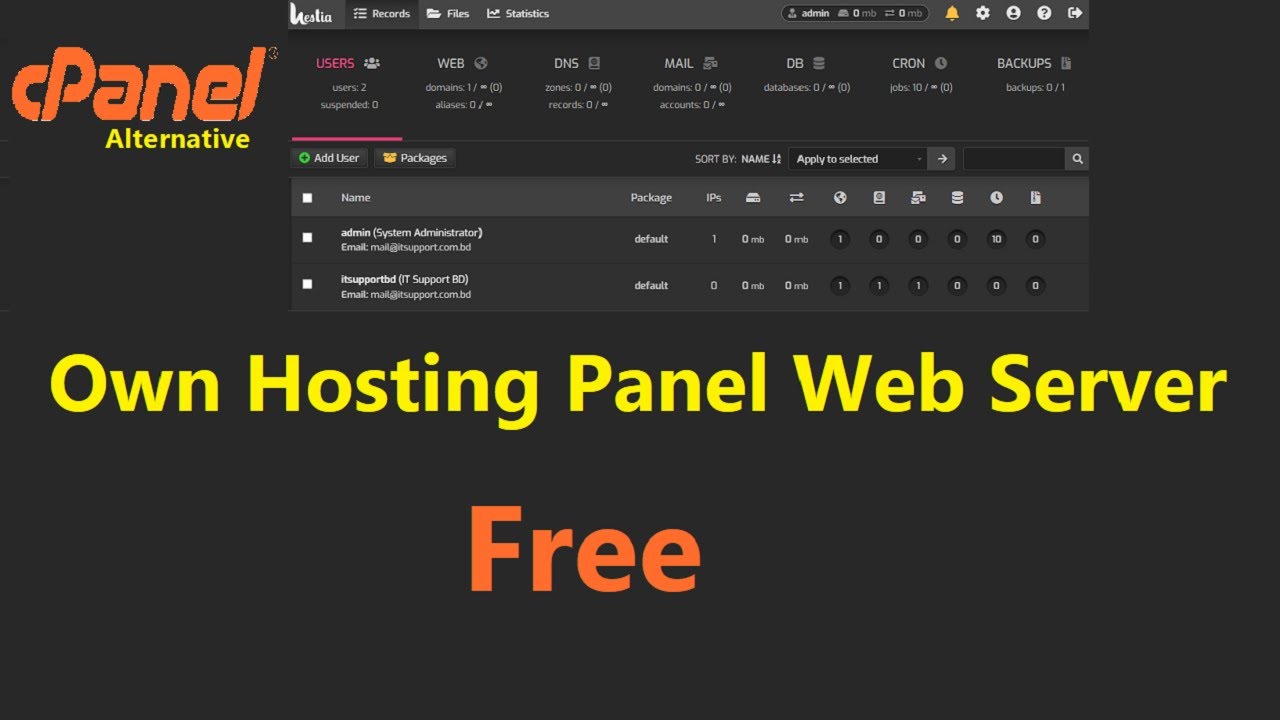
Create email accounts easily. Use a control panel like cPanel. It helps manage accounts. Add, remove, or change emails quickly. Strong passwords keep accounts safe. Tell users to change passwords often.
Monitoring And Maintenance
Use tools to check server health. They show CPU and RAM usage. These tools also watch network traffic. They alert if anything goes wrong. Real-time data helps solve problems quickly.
Always keep backups of your data. Daily or weekly backups are best. Backups keep data safe. They help if files get lost or broken. Store them on different servers or cloud.
Problems may happen. Slow loading is one common issue. Check the server logs for errors. Sometimes, restart fixes the problem. Update software often. It helps prevent issues.
Scaling Your Server
Load balancing makes servers work better. It shares the work between servers. This helps them not get too busy. If one server is too busy, another server helps. This keeps websites fast and working. Load balancing helps in handling more visitors. It also helps in keeping the site up. No downtime means happy users.
Vertical scaling adds more power to a server. It adds more memory or a faster CPU. But there is a limit to how much you can add. Horizontal scaling adds more servers. This helps handle more users. It is like adding more helpers. More helpers make work easier and faster.
Cloud hosting gives many options. It is like renting server space. You pay for what you use. This means saving money and getting more power. Cloud servers can grow or shrink. They adapt to needs quickly. This is good for growing businesses. Cloud hosting is flexible and fast.
Frequently Asked Questions
Can I Create My Own Web Hosting Server?
Yes, you can create your own web hosting server. You need a reliable internet connection, dedicated hardware, and software like Apache or Nginx. This option requires technical skills and ongoing management. Consider security, backups, and updates to ensure smooth operation.
How Do I Make A Web Server Server?
To create a web server, install server software like Apache or Nginx on your computer. Configure settings, ensuring ports are open for HTTP/HTTPS. Upload your website files to the server directory. Test the server using your browser, ensuring the site loads correctly.
Regularly update software for security and performance.
How To Create Web Hosting?
Choose a reliable hosting provider and sign up. Select your hosting plan. Register a domain name. Set up your hosting account by configuring server settings. Install a content management system (CMS) like WordPress. Customize your website by adding themes and plugins.
Secure your site with SSL. Launch your website.
Can I Host My Website On My Home Server?
Yes, you can host a website on your home server. Ensure sufficient bandwidth, a static IP address, and security measures. Use a reliable web server software for optimal performance. Hosting at home may increase electricity and maintenance costs. Consider professional hosting for better reliability and support.
Conclusion
Creating a web hosting server can feel challenging at first. With patience and practice, it becomes easier. Start by choosing the right hardware and software. Remember to secure your server for safety. Regular updates help keep your server running smoothly.
Don’t forget to back up your data often. This prevents data loss. Following these steps leads to a functional web hosting server. You gain more control and flexibility over your website. Now, you’re ready to host your own site. Enjoy the journey, and keep learning.


