
Are you dreaming of launching your own web hosting company? Imagine the potential: a thriving business in a digital age where every click counts.
But how do you transform that dream into reality? Creating a web hosting company might seem like a daunting task, yet it’s entirely achievable with the right guidance. You’ll discover practical steps and insider tips designed to help you succeed.
Whether you’re a tech enthusiast or a budding entrepreneur, this guide is tailored for you. By the end, you’ll have a clear roadmap to building a web hosting company that stands out in the crowded online space. Ready to dive in and turn your vision into a profitable business? Let’s get started!
Choosing A Business Model
In shared hosting, many users share one server. This model is cost-effective. It’s great for small websites. Users share resources like RAM and CPU. This can slow down websites if many users are active. It’s easy for beginners. But there’s less control over the server. Ideal for blogs or small business sites.
A Virtual Private Server (VPS) offers more control. Users get dedicated resources. The server is still shared, but with fewer people. This improves speed and performance. It’s a step up from shared hosting. VPS is suitable for medium-sized businesses. It offers better security and customization. More technical knowledge is required.
A dedicated server means total control. Only one user uses the whole server. This model provides the best performance. It’s perfect for large websites or apps. Costs are higher, but you get maximum resources. Excellent for sites with high traffic. Offers the best security options. Technical expertise is needed to manage it.

Credit: verpex.com
Researching Competitors
Identifying market leaders is crucial for your hosting business. Look for companies that are popular. They often have many customers and good reviews. These companies set trends and standards in the industry. Understanding their strengths helps you plan better.
Next, focus on analyzing pricing strategies. Check what prices top companies offer. See if they have discounts or special offers. Compare these to your pricing plans. This helps you stay competitive and attract more customers.
Evaluating service offerings is also important. Look at the services other companies provide. Do they offer 24/7 support? What about extra features like backups or security tools? Knowing these details helps you improve your own services. This can make your company more attractive to potential customers.
Defining Target Market
Small businesses need web hosting for their online presence. They usually have limited budgets. Offering affordable packages can attract them. They look for reliable and easy-to-use services. Customer support is crucial for them.
E-commerce sites need secure and fast hosting. SSL certificates and payment gateways are important. They handle many transactions daily. A scalable solution is necessary. Downtime can affect their sales badly. They seek 24/7 support.
Bloggers and personal website owners need simple hosting. They look for easy setup and design templates. Cost is a big factor for them. They prefer low-cost plans. Storage space and bandwidth should be enough for their needs.
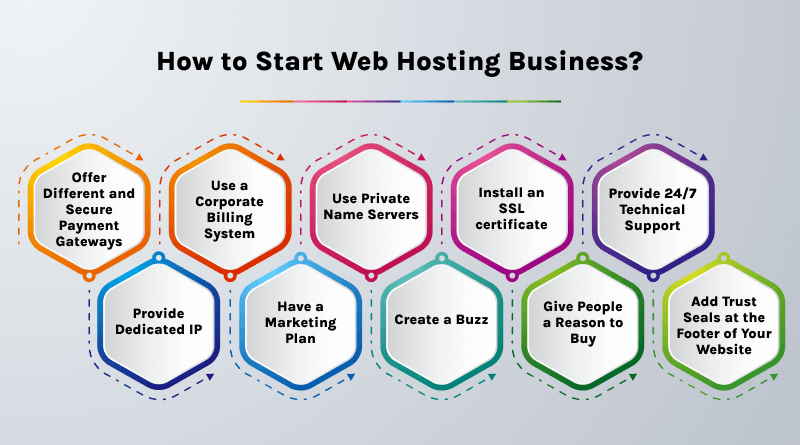
Credit: www.milesweb.in
Setting Up Infrastructure
Choosing the right location for your data center is important. It affects speed and security. Look for safe places with good internet. Near cities can be better for quick access. Check for natural disasters risks.
Servers are the heart of hosting. They need to be strong and fast. Choose hardware that is reliable and up-to-date. Consider the amount of storage and RAM. Good hardware can handle more traffic.
Network setup is like the roads for data. It should be fast and safe. Use proper cabling and switches. Set up firewalls to block bad traffic. Regular updates keep it secure.
Choosing Hosting Software
Picking the right control panel is key. cPanel and Plesk are popular choices. They help manage websites with ease. A good control panel lets users create emails and manage files quickly. Look for panels with a user-friendly interface. This makes learning easier. Always check for updates and support.
Security is a top priority. Firewalls protect your server from bad attacks. SSL certificates keep data safe and private. Using antivirus software helps catch viruses early. Always update security tools to keep threats away. Choose software that offers real-time protection. This ensures your server is always safe.
Proper billing tools help track payments. WHMCS is a popular choice. It manages invoices and payments easily. Customer management tools help in handling support tickets. Live chat is great for fast help. Keeping customer data organized is crucial. Use tools that are easy to set up and use.
Creating A Website
A good user interface is important. Design must be simple and clear. Users like a clean and neat look. Colors and fonts should match. Use easy navigation. Menus should be easy to find. Icons should be easy to understand. This helps users find what they need quickly.
Features make your site special. Start with basic features. Add more later. Include a control panel for users. It should be simple. Allow users to manage their accounts easily. Offer technical support. Users need help sometimes. Make it easy to contact you.
Payment systems are important. Choose one that is safe. Users trust safe systems. Offer different payment options. Credit cards, PayPal, and others. More choices mean more happy users. Make the checkout process simple. Less steps mean more sales.
Developing Marketing Strategy
Use paid ads to reach new customers fast. Google Ads and Bing Ads are popular. They show your service to many people. Choose your keywords wisely. They help your ad appear more. Set a budget that you can manage. Keep track of your ad performance daily. Adjust your ads to get better results. This helps you spend less and earn more.
Social media is powerful. Use it to connect with people. Post interesting content often. Reply to comments and messages quickly. This makes your audience happy. Use platforms like Facebook, Twitter, and Instagram. Share updates about your company. Engage with followers by asking questions. Create polls for fun and interaction. This keeps your audience engaged.
Write blogs about web hosting. Share tips and guides. Use simple words. This helps people understand better. Update your content regularly. Keep it fresh and relevant. People love to learn new things. Quality content builds trust. Trust brings more customers. Make sure your content is easy to read. Use bullet points for clarity. This makes your message clear.
Building Customer Support
A help desk is your first step to good support. Customers need answers fast. Set up a simple ticket system. Users should easily submit queries. Each ticket goes to the right team. This process saves time. Tracking helps in managing requests. Staff can see which tickets need more work. A help desk makes support easy.
Live chat helps users get answers quickly. Place the chat button on every page. Make it easy to find. Trained staff should answer chats. They must be ready to help. Live chat should be available during peak hours. This keeps customers happy. Quick replies build trust and loyalty.
A knowledge base is a collection of helpful articles. Customers find solutions themselves. This reduces support requests. Include guides, FAQs, and step-by-step instructions. Use clear and simple language. Pictures can help explain better. Update the content regularly. A good knowledge base saves both time and effort.
Launching And Testing Services
Beta Testing is crucial for web hosting companies. It helps find bugs. In beta testing, a small group uses the service. They give feedback on any issues. Fixing these problems improves the service quality.
Load Testing checks how the servers handle traffic. It’s important to test during peak times. This helps ensure the site stays live. Developers can optimize server performance based on results.
Feedback Collection is key to improving services. Users provide insights on their experiences. Surveys and forms help gather this data. Analyzing feedback helps make the service better. Listening to users is essential for success.
Scaling And Expanding
New services help your company grow. Consider adding domain registration and email hosting. These services are popular. They attract more customers. Cloud hosting is also in demand. Offering it can boost your business. Customers like having more options.
Find new markets for your services. Check countries with growing internet users. They need hosting services. Offer local language support. This makes customers feel at home. Research local competitors. Know what they offer. This helps you plan better.
Strong infrastructure keeps your service reliable. Upgrade your servers to handle more traffic. Use data centers in different locations. This improves speed and reliability. Add backup solutions for data safety. Customers trust stable services. It makes them stay longer.

Credit: www.hostingseekers.com
Frequently Asked Questions
How Do I Start My Own Web Hosting Business?
Choose a reliable hosting provider. Acquire a reseller hosting plan. Design your brand and website. Set competitive pricing. Launch marketing campaigns to attract clients.
Can I Create My Own Web Hosting?
Yes, you can create your own web hosting. Purchase server hardware, set up software, and configure network settings. Ensure security measures, reliable internet connection, and technical expertise. Consider costs and maintenance before proceeding. Alternatively, cloud services offer simpler hosting solutions without hardware investment.
Is Web Hosting Profitable?
Yes, web hosting can be profitable. It offers recurring revenue streams from subscriptions. With efficient management and quality service, businesses can attract and retain customers. Success depends on competitive pricing, reliable uptime, and excellent customer support. Investing in marketing and technology enhances profitability and growth.
How To Become A Web Hosting Reseller?
Choose a reliable hosting provider with a reseller plan. Purchase a reseller hosting package. Create and brand your hosting plans. Set competitive pricing. Start selling your hosting services to clients.
Conclusion
Creating a web hosting company takes planning and patience. Start with market research. Understand your audience and competitors. Focus on reliable servers. Offer excellent customer support. Pricing should be clear and competitive. Build a user-friendly website. Provide easy navigation and valuable content.
Security is crucial; invest in strong protection. Marketing helps attract clients. Use simple strategies. Social media and blogs work well. Always adapt to changes. Keep learning and improving your services. Success comes with dedication. Make sure you stay committed to your goals.


