
Are you dreaming of starting your own web hosting business but don’t know where to begin? You’re not alone.
Many aspiring entrepreneurs like you have the vision but need a clear roadmap to success. Imagine having the power to help countless businesses establish their online presence while building a thriving business for yourself. Sounds exciting, right? In this guide, we’ll break down the essential steps to get your web hosting business off the ground.
You’ll discover insider tips that can save you time and money. Plus, we’ll uncover the secrets to outshine your competitors and attract loyal customers. Ready to turn your web hosting dreams into reality? Let’s dive in and explore how you can start and succeed in the web hosting industry.
Market Research
Find who needs web hosting. Are they small businesses or bloggers? Understand their needs and preferences. This helps in making a better service.
Look at other web hosting companies. What do they offer? How are their prices? What are their strengths and weaknesses? This helps you make a unique service.
Study the market changes. Are there new technologies or methods? Keep up with the latest trends. This helps stay competitive and relevant.
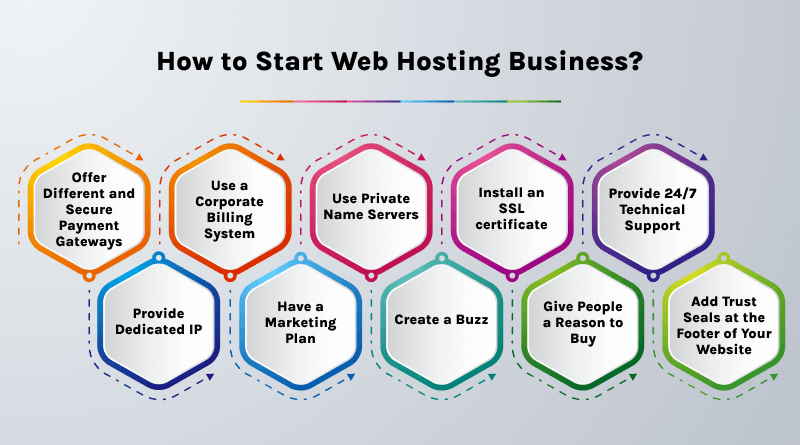
Credit: www.milesweb.in
Business Plan Creation
Creating a web hosting business plan involves defining goals and researching competitors. Identify your target audience and outline services. Plan marketing strategies to reach potential customers effectively.
Define Business Goals
Set clear and achievable business goals. Decide what you want to offer. Are you selling shared hosting or dedicated servers? Maybe both. Knowing your goals helps you plan better. Think about how many customers you want. Know your target audience. This keeps your business on track.
Outline Pricing Strategy
Choose prices that match your services. Keep them competitive but fair. Look at what others charge. Find a balance between affordability and profit. Offer different plans. This gives customers choices. Monthly or yearly plans can help. Discounts for long-term plans attract more clients.
Develop Marketing Plan
Create a solid marketing plan. Know where to find your audience. Use social media or blogs. Email newsletters can reach many people. Make your website easy to find. Use simple words in ads. This makes them easy to understand. Share customer reviews. Positive feedback builds trust.
Infrastructure Setup
Selecting the right hosting platform is crucial. It affects your business success. Look for platforms offering reliable uptime and scalable options. They should support different operating systems. Ensure they have user-friendly interfaces. This will make managing websites easy.
Data centers are important for speed. Choose ones close to your target audience. This reduces loading times. Ensure they have backup systems. This keeps data safe. Multiple locations offer better reliability. It helps during network issues.
Security is key in web hosting. Protect your servers with firewalls. Use encryption to keep data safe. Regularly update your software. This prevents security breaches. Employ DDoS protection to stop attacks. Ensure all security protocols are in place.

Credit: m.youtube.com
Legal And Compliance
Starting a web hosting business involves understanding legal requirements and compliance standards. Ensure your business follows data protection laws and secures necessary licenses. Regularly update policies to maintain trust and legal standing.
Understand Regulations
Every country has different laws for web hosting. Research your country’s rules. Protect your business by understanding these laws. Privacy laws are crucial. They protect user data. Security standards ensure safe online operations. Follow these to avoid penalties.
Register Business
Choose a unique name for your business. Register the name with local authorities. This makes your business legal. Business registration is important for taxes. It also helps in getting bank accounts. Licenses may be required. Check local rules for specific licenses.
Draft Service Agreements
Create clear agreements for your services. Service agreements protect both parties. Define what you offer. Include payment terms in the agreement. Legal terms should be simple. Avoid complex language. Make sure clients understand the terms. This builds trust.
Brand Development
Create a strong brand logo and color theme. These help customers remember you. Use these on your website and products. A clear design makes you look professional. Keep it simple and clean. Simple designs are easy to remember. Think of famous brand logos. Many use just one or two colors.
Build a website and social media pages. Share your services on these platforms. Make sure your website is easy to use. It should load quickly. Slow websites lose visitors. Post often on social media. This keeps you in people’s minds. Respond to comments and messages quickly.
Find what makes your business special. Offer something others don’t. Maybe it’s lower prices or faster service. Tell customers why they should choose you. Highlight this in your ads and posts. Keep your message clear and short. Customers like simple reasons to choose you.
Customer Acquisition
Use digital marketing to find new customers. Start with SEO to make your site easy to find. Use paid ads to reach more people online. Create content that is helpful and interesting. This helps build trust with your audience.
Social media is a powerful tool. Share updates about your services. Answer questions from followers. Post regular content to stay visible. Use platforms like Facebook and Twitter. These help you connect with potential customers.
Networking helps you find new opportunities. Attend events in your industry. Meet people who might need your services. Join online forums and groups. Share your knowledge and help others. Build relationships that can lead to new business.
Customer Support
Create multiple ways for customers to reach you. Use email, phone, and live chat. Each channel should be easy to use. This helps solve problems fast. Happy customers stick around longer. Make sure these channels are visible on your website. Clear contact options build trust.
Staff must know the product well. Training is very important. Teach them to be polite and helpful. Use role-playing for real scenarios. Staff should be able to solve common problems quickly. Make sure they understand customer needs. Good training makes support effective.
Feedback helps improve services. Use surveys and reviews to gather opinions. Customers like being heard. Adjust services based on feedback. This shows you care about customer experience. It helps you find areas to improve. Regular feedback collection is key.
Growth Strategies
Building a web hosting business involves customer-focused services and reliable support. Optimize your website for search engines. Offer competitive pricing. Leverage digital marketing strategies.
Expand Service Offerings
Offer more services to attract new customers. Think about domain registration and website design. These services are in demand. They help customers build and manage their sites. Offering 24/7 customer support can also attract people. Everyone wants help when needed.
Explore Partnerships
Partnering with other companies can be smart. Find firms that share your values. Share ideas and work together. This can help reach new audiences. Partnerships can also bring new resources. Resources help grow your business.
Invest In Technology
Technology is important in web hosting. Invest in faster servers and better security. Customers want their sites to be fast and safe. Stay updated with the latest tools. New tools can improve services. Improved services make customers happy.
Performance Monitoring
Track key metrics to understand your business health. Focus on uptime, speed, and user satisfaction. These metrics help in keeping your website in top shape. Utilize analytics tools to gather data. Use tools like Google Analytics or WebPageTest. These tools provide insights on how your site performs. They show visitor numbers, bounce rates, and load times.
Optimize operations regularly for best results. Check server response time and database queries. Fix any slow parts of your website. This helps in improving user experience. Happy users can lead to more business success. Monitoring performance is key to a successful web hosting business.

Credit: verpex.com
Frequently Asked Questions
How Do You Start Your Own Web Hosting Company?
Begin by researching the web hosting market and legal requirements. Choose reliable server hardware and software. Develop a business plan and pricing strategy. Secure a domain name and set up a website. Market your services through SEO and social media to attract customers.
Is Web Hosting Profitable?
Web hosting can be profitable with effective management and marketing. It requires investment in quality infrastructure and customer support. Targeting niche markets and offering unique services can increase profitability. Success depends on competitive pricing and reliable service.
What Are The 3 Types Of Web Hosting?
Shared hosting, VPS hosting, and dedicated hosting are the three types of web hosting. Shared hosting offers resources on a single server. VPS hosting provides a virtual server with dedicated resources. Dedicated hosting gives exclusive access to an entire server.
Choose based on your website needs and budget.
How Do I Get Started With Web Hosting?
Choose a reliable web hosting provider based on your needs. Register a domain name if necessary. Select a hosting plan that suits your website type. Set up your account and configure your website. Install necessary applications or CMS like WordPress.
Test your site and optimize settings for performance and security.
Conclusion
Starting a web hosting business demands careful planning and strategy. Focus on reliable service and customer support. Choose the right hosting platform that suits your needs. Manage resources efficiently to ensure smooth operations. Keep an eye on industry trends to stay competitive.
Build trust with clients by delivering consistent quality. Adapt to changes and scale as your business grows. A strong online presence helps attract and retain customers. Remember, success comes from dedication and continuous improvement. Your commitment to excellence will set your hosting business apart.


