
Choosing the right web hosting provider can feel overwhelming, can’t it? With countless options and technical jargon, it’s easy to feel lost.
But imagine having a reliable partner that ensures your website runs smoothly, loads quickly, and stays secure. Sounds great, right? That’s exactly what the right web hosting provider offers. This guide will help you make an informed decision by breaking down complex terms into simple concepts.
You’ll learn what to look for, how to compare services, and even some insider tips that can save you money and headaches. Ready to find out how to pick the perfect match for your online needs? Let’s dive in and get you the hosting solution you deserve.
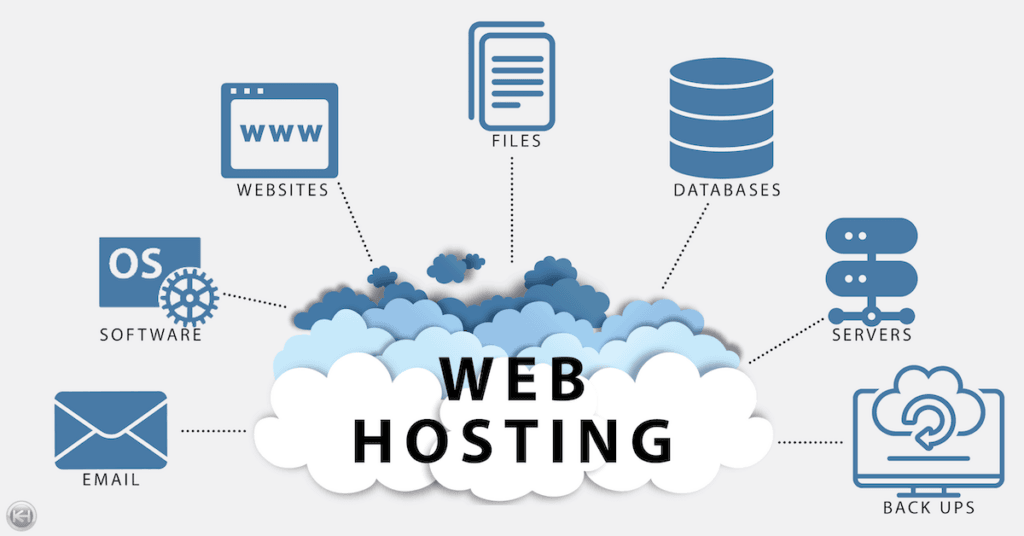
Credit: www.ramotion.com
Types Of Web Hosting
Shared hosting means many websites share the same server. It is affordable and easy. Perfect for beginners or small sites. Limited resources can slow down your site. You don’t control the server. Security might be a concern.
VPS stands for Virtual Private Server. More powerful than shared hosting. You get your own space on the server. Better security and control. Cost is higher than shared hosting. Good for medium-sized websites.
Dedicated hosting gives you the whole server. Best for large websites. You have full control and customization. Expensive but offers great performance. High security and resources are yours.
Cloud hosting uses many servers. Scalable and flexible. Great for growing websites. You pay for what you use. Reliable even if one server fails. Costs can vary with usage.
Factors To Consider
Choosing a web hosting provider involves considering reliability, customer support, and cost. Evaluate server uptime and speed. Check for features like backups and security.
Performance And Reliability
Check the speed of the hosting. Websites should load fast. Slow sites lose visitors. Uptime is crucial. It shows how often a site is online. Aim for 99.9% uptime. This means your site is almost always available.
Scalability
Start small, but think big. Hosting should grow with your site. More traffic needs more resources. Check if you can upgrade easily. This ensures your site handles more visitors smoothly.
Security Features
Protect your site from hackers. Check for SSL certificates. They keep data safe. Look for backups. These help if something goes wrong. Firewalls are important. They block bad traffic. Keep your site secure.
Customer Support
Help should be available 24/7. Problems can arise anytime. Check for live chat and phone support. Emails are also good. Friendly support solves issues fast. Choose hosts who care about their customers.
Cost And Pricing Plans
Choosing a web hosting provider can be tricky. Many companies offer budget-friendly options. These plans are often cheap but check for limits. Some may limit storage or bandwidth. Small websites might find these plans suitable. Always read the details before choosing.
Premium plans offer more features. These include extra storage, higher speed, and better support. They cost more but provide value. Large businesses often choose premium plans. Ensure you need the extra benefits before paying more.
Some hosting providers add hidden costs. These can include setup fees or renewal fees. Look for costs not shown upfront. Always read the terms and conditions. Avoid surprises by understanding all charges.
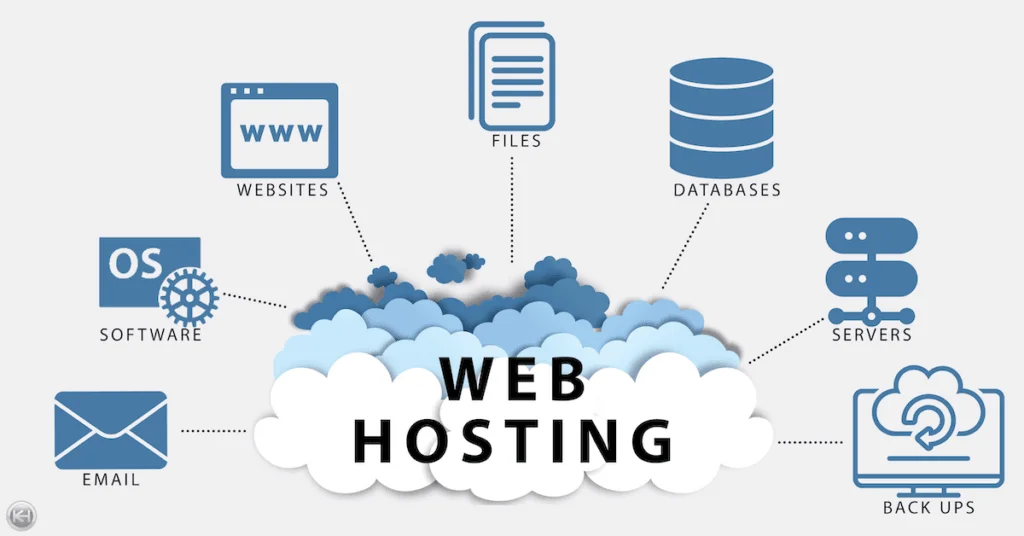
Credit: www.knownhost.com
Reputation And Reviews
Many users share their thoughts online. Reading customer testimonials helps know more. People often talk about support and service quality. Negative feedback is a red flag. Positive words build trust. Check if many people are happy.
Industry ratings show a provider’s standing. Experts rate based on performance. Look for high scores. High ratings mean good service. Low scores can mean issues. Trusted reviewers give honest feedback. Always double-check ratings.
Case studies show real examples. They tell success stories. Learn how businesses use hosting. These stories show reliability and value. See if the provider meets needs. Real stories are more reliable. They show true results.
Technical Support
Availability is crucial for web hosting. Support should be 24/7. Problems can happen anytime. A reliable provider is always there to help. Ensure their team is ready day and night.
Response Time matters a lot. Quick help can save your site. Long waits are frustrating. Check how fast they reply. Faster responses mean better service.
Many Support Channels are needed. Email is common, but slow. Live chat is quicker. Phone support is direct. Look for multiple ways to contact them. More options mean better support.
Additional Features
Explore the extra features your web hosting provider offers. Check for security tools, backup services, and customer support availability. These features can enhance your website’s performance and reliability.
Domain Registration
Many web hosting providers offer domain registration. This means you can buy a domain name from them. It is easier to manage everything in one place. You save time and effort by doing this.
Email Hosting
Email hosting helps you have custom email addresses. These emails match your domain name. It looks professional for businesses. People trust emails from your domain more.
Backup Solutions
Backup solutions keep your website safe. They save your data in case of problems. Regular backups ensure you do not lose important files. Always check if this feature is included.
Website Builders
Some providers offer website builders. These tools help you create websites easily. No coding skills needed. You can design your site with simple drag-and-drop features.
Migration Services
Ease of Transition is important in web hosting. Changing hosts should be simple. A good provider helps a lot with this process. They guide you step by step. This makes everything easy for you.
With Data Transfer Assistance, you get help to move files. It ensures nothing gets lost. Your website stays safe and sound. Support teams are ready to assist. They make sure everything is correct.
Keeping Downtime Minimization is crucial. It helps your website stay online. Good providers plan the move well. They try to keep your site up. This way, your visitors don’t face problems.
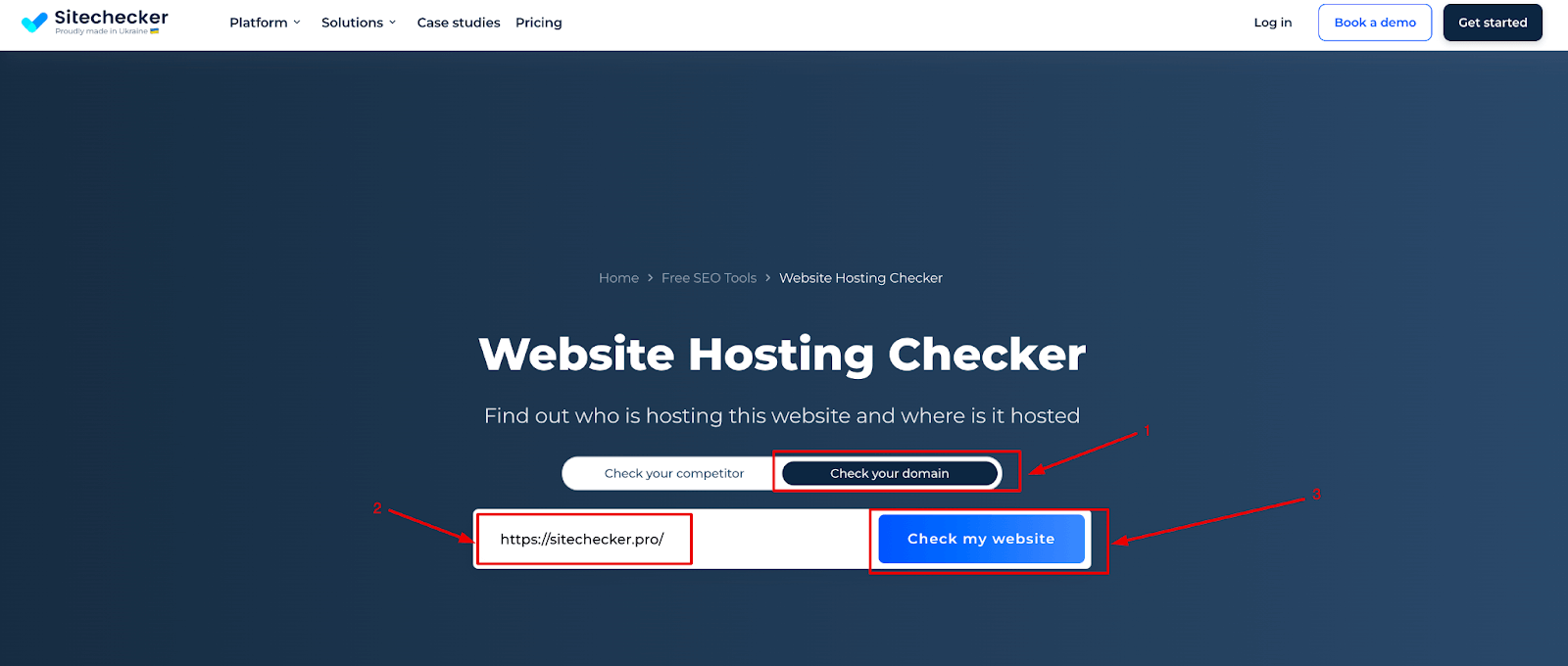
Credit: sitechecker.pro
Frequently Asked Questions
How To Check Website Hosting Provider?
Use online tools like “WhoIs” or “Hosting Checker” to find your website’s hosting provider. Enter your domain name and see results instantly. Check your domain registrar account for hosting details. Contact your website developer for information on hosting provider.
How To Find Out What Company Is Hosting A Website?
Use online tools like “WhoIs” to find a website’s hosting company. Enter the domain name, and check the results. Look for the “Hosting Provider” or “Nameservers” section for details.
How Do I Find My Website Domain Provider?
Check your email for domain registration confirmation. Use WHOIS lookup tools online to identify your domain provider.
How Do I Know What Platform My Website Is Hosting?
Use online tools like BuiltWith or Wappalyzer. Enter your website URL. These tools detect hosting platforms. Check your website’s admin panel or contact your hosting provider for details.
Conclusion
Choosing the right web hosting provider is crucial. It affects your site’s performance and reliability. Prioritize your needs. Compare features and costs. Check customer support quality. Look for reviews and ratings. A good provider ensures website uptime and security. Remember, cheap isn’t always better.
Invest wisely for long-term benefits. Consider scalability for future growth. Keep your website’s goals in mind. Make an informed decision. A reliable host is key to your online success. Happy hosting!


