
Have you ever wondered how websites like Google find and organize all the information on the internet? The secret lies in web crawlers—powerful tools that navigate the web to collect data.
Whether you’re a developer, a business owner, or just someone curious about technology, installing a web crawler on a hosted server can open up a world of possibilities for you. Imagine having the ability to gather real-time data, monitor competitors, or enhance your own website’s SEO performance.
The process might seem daunting, but with the right guidance, you can master it in no time. You’ll discover the step-by-step approach to setting up a web crawler on your hosted server, demystifying the process and empowering you to harness the full potential of web data. Dive in, and let’s get your web crawler up and running!
Choosing The Right Web Crawler
Open source web crawlers are often free to use. They allow you to see and change the code. Many people help make them better. They are usually flexible. But, they might need more setup. Proprietary crawlers are often easier to use. They come with support. But, you might have to pay for them. They may not let you change the code. Think about your needs. Choose what fits best.
Speed is important for a web crawler. Fast crawlers save time. Look at how much data it can handle. This is called scalability. Some crawlers can go through a lot of websites. Others work with less. Data extraction is key. Ensure it can get the data you need. Some crawlers have built-in support. This helps if you have questions. Check if it works with your server type.

Credit: www.facebook.com
Preparing Your Hosted Server
First, check your server’s operating system. It should support the web crawler. Make sure the server has enough RAM and CPU power. This helps the crawler run smoothly. Look for software support like Python or Java. These are common languages for crawlers. Ensure your server has a stable internet connection. This is crucial for crawling websites.
Access to the server is needed. Use SSH or a control panel. Set up user permissions. They protect the server from harm. Allow only trusted users to make changes. This keeps your server safe. Avoid giving full access to everyone. It’s risky. Check your firewall settings. Make sure they allow the crawler to work. Always review permissions regularly. This ensures safety.
Installing Necessary Software
Begin by choosing a programming language like Python or Java. These are popular for web crawling. Install the language on your server. Make sure it’s the latest version. Use commands to download and install it. Always check the installation guide for help. Keep your server updated for the best performance.
Web crawlers need special packages. Use a package manager like pip for Python. This tool helps you install packages quickly. Type the right commands in your server. Ensure all packages are up to date. This makes your web crawler work smoothly. Always refer to the documentation for specific package needs.
Configuring The Web Crawler
Choose the websites you want to crawl. Make a list of the URLs. Ensure these sites allow crawling. Check their rules for crawlers. Use a spreadsheet to keep track. Keep the list updated. This helps in easy management.
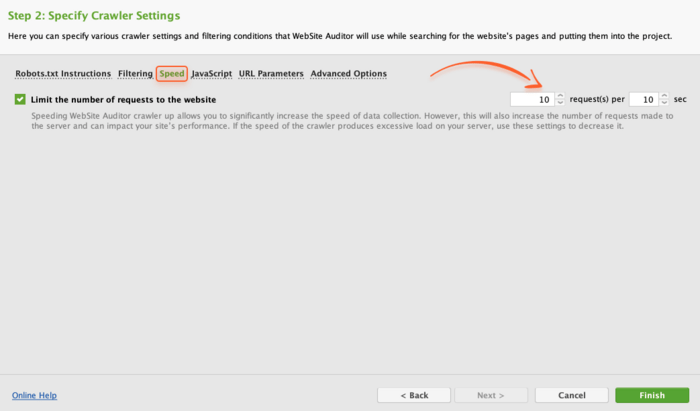
Set the crawl speed. Too fast can be bad. It might overload the server. Too slow takes longer. Find a balance. Choose how deep to crawl. Set limits. This saves time and resources. Adjust settings based on needs.
Respect the robots.txt file. It tells what to crawl. Some pages might be blocked. Do not ignore these rules. Crawlers should follow them. Check the file before starting. It guides the crawler’s actions.
Testing And Debugging
Installing a web crawler on a hosted server involves careful testing and debugging to ensure smooth operation. Follow clear instructions to set up the crawler, then run tests to identify and fix any errors. Debugging helps maintain functionality, ensuring the crawler efficiently collects data without interruptions.
Verifying Installation
Ensure the web crawler runs as expected. Check basic functions first. Test the crawler’s ability to fetch data. Look at server logs for any errors. Logs help find installation issues. Use dummy data to test data fetching. This checks if the crawler can gather information. Check if it writes data correctly. Make sure data format is correct.
Troubleshooting Common Issues
Sometimes web crawlers face issues. Connection problems are common. Check the server’s internet access. Ensure the crawler has the right permissions. Access denied errors need attention. Look for missing files in the system. Ensure all dependencies are installed. Check for syntax errors in your code. Debugging tools can help find mistakes. Restart the server if needed. This can fix small glitches.

Credit: www.facebook.com
Scheduling And Automation
Installing a web crawler on a hosted server involves simple steps. Begin by selecting a reliable server hosting service. Follow installation guides carefully to set up the web crawler efficiently.
Using Cron Jobs
Cron jobs help schedule tasks on a server. They run commands at set times. This is useful for web crawlers. Set cron jobs to start crawling at night. It saves server resources during the day. You can set them for daily or weekly runs.
Use simple commands for cron jobs. Write commands in a cron file. The file tells the server what to do. It’s easy to set up and manage. Make sure the commands are correct. Mistakes can cause problems.
Automating Data Extraction
Data extraction can be automated with scripts. Write scripts to collect data. Scripts save time and effort. They work with cron jobs. Together, they make the process smooth. Automation helps manage large data.
Check scripts often. Make sure they work well. Update them as needed. Good scripts keep data accurate. Automation helps keep data fresh. It helps servers run better.
Monitoring And Maintenance
Installing a web crawler on a hosted server involves setting up the right software tools. Ensure regular monitoring to keep the crawler functioning efficiently. Routine maintenance helps prevent downtime and ensures data accuracy.
Regular Performance Checks
Web crawlers need regular performance checks. This keeps them working well. Slow crawlers miss important data. Check speed often. Use tools to test speed. Fix any issues fast. Look for errors in logs. Logs show crawler problems. Solve errors quickly. This keeps data fresh and accurate. Regular checks mean better results.
Updating The Crawler
Crawlers need updates. Updates improve functionality. New features help crawlers work better. Update software often. Check for new versions online. Install updates carefully. Follow instructions step-by-step. Updates fix bugs too. Bugs cause problems in data. Fixed bugs mean cleaner data. Keep your crawler updated for best results.
Credit: www.link-assistant.com
Ethical And Legal Considerations
Installing a web crawler on a hosted server involves ethical and legal considerations. Respecting website terms and data privacy is crucial. Ensure compliance with laws to avoid penalties.
Respecting Website Policies
Web crawlers must follow rules. Websites have robots.txt files. These files guide crawlers on what to access. Ignoring these rules is wrong. It can lead to bans. Always check these files. Be polite to site owners. Respect is key.
Data Privacy And Compliance
Data privacy is important. Crawlers should not collect personal information. Follow laws like GDPR. Be aware of data protection rules. Protect users’ privacy. Ensure compliance with legal standards. This builds trust. It keeps your web crawling ethical. Always keep privacy in mind.
Frequently Asked Questions
How Do You Implement A Web Crawler?
To implement a web crawler, choose a programming language and use libraries like Scrapy or Beautiful Soup. Set up rules for crawling, such as URL patterns. Send HTTP requests to web pages, parse HTML content, and extract data. Store the extracted data in a database for further analysis.
How Much Do Web Crawlers Cost?
Web crawler costs vary widely, ranging from free options to premium services costing hundreds monthly. Factors include features, scale, and customization needs. For basic tasks, free tools like Screaming Frog offer limited capabilities. Advanced solutions, like Apify or Bright Data, provide comprehensive data extraction for higher fees.
Are Web Crawlers Legal?
Web crawlers are generally legal, but it depends on website terms and copyright laws. Always respect robots. txt files and privacy policies. Unauthorized crawling can lead to legal issues, especially if it violates intellectual property rights or causes harm. Ensure compliance with regulations to avoid potential legal consequences.
How To Manually Crawl A Website?
Open your browser and visit the website. Use the “Inspect” tool to view page elements. Analyze HTML, CSS, and JavaScript. Navigate through links manually. Record data systematically for your research.
Conclusion
Installing a web crawler on a hosted server is straightforward. Follow the steps closely. Choose a reliable server provider. Ensure the software is compatible. Check your server’s security settings. Monitor performance regularly. Keep your web crawler updated. A well-maintained crawler boosts efficiency.
Troubleshoot issues as they arise. Seek support when needed. Remember, a good setup saves time. A reliable web crawler helps gather data effectively. Test your crawler often. Make adjustments for better results. With patience, your crawler will work smoothly. Enjoy the benefits of automated data collection.


