
Installing a WordPress theme might seem daunting at first, but it’s much easier than you think. Imagine transforming your website’s look in just a few clicks.
Whether you’re launching a blog, an online store, or a portfolio, the right theme can make all the difference. It sets the tone, enhances user experience, and can even boost your site’s performance. But how do you choose and install the perfect theme without feeling overwhelmed?
Don’t worry. We’ve got you covered. In this guide, you’ll discover a straightforward, step-by-step process to install a WordPress theme with ease. By the end, you’ll feel confident and ready to give your site a stunning new look. Let’s dive in and unlock the potential of your website!
Credit: www.elegantthemes.com
Choosing The Right Theme
Websites have different goals. Some sell products, others share information. Identify your purpose first. This helps in choosing the right theme. For a blog, choose a theme that supports articles. For a shop, choose a theme with shopping features. Purpose guides your theme choice.
Free themes cost nothing. They are good for beginners. Premium themes have more features. They offer better support. They may have unique designs. Think about your budget. A free theme is good to start. Premium themes offer extras but need a cost.
Reviews tell you if a theme is good. Read what others say about the theme. Look at ratings. High ratings mean users like it. Check for frequent updates. Updated themes are safe. They work well with WordPress updates. Always check reviews before choosing.
Preparing For Installation
Backing up your website is very important. It keeps your data safe. Use a plugin to make a copy. Store this copy in a secure place. Losing data can be a big problem. Ensure you have a complete backup before changing anything.
Check if the new theme works with your plugins. Sometimes, a theme might not fit. This can cause errors or slow performance. Read theme details and check reviews. Make sure the theme is plugin-friendly.
Creating a child theme is wise. It keeps changes safe. Original themes update and erase custom changes. A child theme stops this. Set up the child theme before installing the main one. It saves your work and keeps everything updated.
Installing A Theme From The WordPress Repository
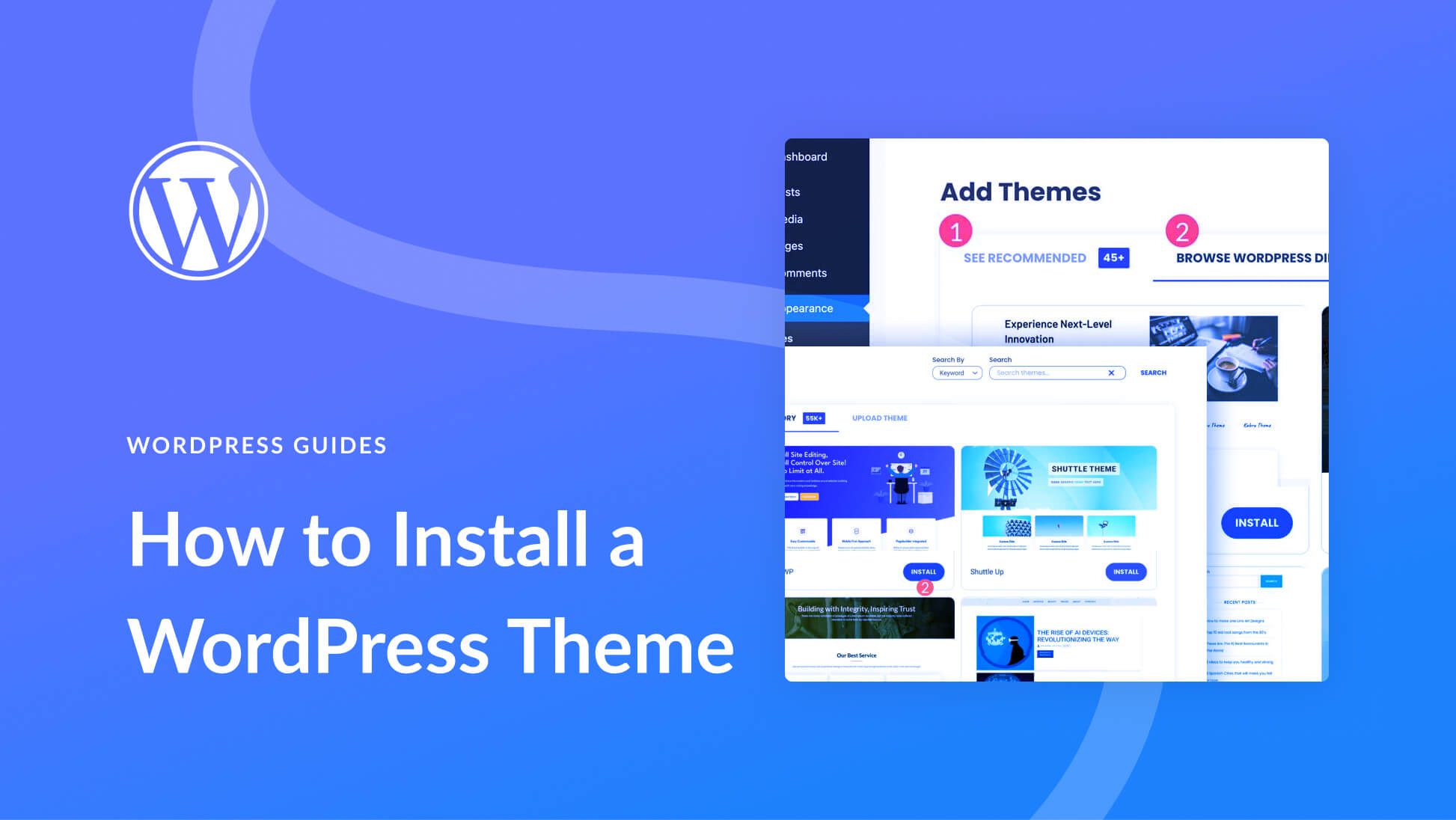
First, log into your WordPress account. Go to your website dashboard. You will see many options here. Find the Appearance tab. Click on it. This will show the themes section. You can manage your themes here.
Inside the themes section, use the search bar. Type the theme name you want. You will see many choices. Browse through them. Look for the best one that fits your needs. Popular themes often have good reviews. Check the ratings before selecting.
Click on a theme to preview it. This shows how it looks on your site. You can change the layout before installing. If you like the design, click Install. After installation, activate the theme. Your site will now use the new theme.
Uploading A Theme From A Third-party Source
First, download the theme files from the third-party source. These files are usually in a zip format. Save the file to your computer. Make sure you remember the location.
Open your WordPress dashboard. Go to Appearance and click on Themes. Then, click on Add New. Choose Upload Theme and select the zip file. Hit the Install Now button. Wait for the installation.
After installing, find the theme in your dashboard. Click Activate to make it live. Check your site to see the new design. If you need changes, explore theme settings.
Customizing Your Theme
The WordPress Customizer helps you change your site look. You can adjust colors, fonts, and menus easily. See changes in real-time before saving. This tool is easy and fun to use. Make your site unique and special without coding.
Choose different layouts for your pages. Some themes offer grid or list styles. Change page width and sidebar positions. Want a different header? You can change it too. These changes make your site look better.
Widgets add cool features to your site. Drag and drop them into sidebars or footers. Plugins add more power to your site. They can help with forms, galleries, or SEO. Try different plugins to see what works best.
Troubleshooting Common Issues
Installation errors can be a real headache. First, check your internet connection. A slow connection can cause problems. Make sure your theme is not corrupted. Download it again if needed. Always use the latest WordPress version. Older versions might not support new themes. Check your file permissions. They must be set correctly. Incorrect permissions can block installations.
Compatibility issues are common. Ensure your theme is compatible with your WordPress version. Check if your plugins support the theme. Sometimes, plugins clash with themes. Disable plugins and check again. Update all plugins to their latest versions. This often solves many problems. Look for theme updates too. Developers release updates for better compatibility.
Help is often just a click away. Visit the theme developer’s website. They usually have a support forum. Post your issue and wait for help. Use WordPress forums for additional support. Many users face similar issues. Search for your problem there. Often, solutions are already shared. Don’t hesitate to ask for help.
Maintaining Your WordPress Theme
Installing a WordPress theme begins with accessing your dashboard. Navigate to Appearance, then Themes, and click Add New. Choose a theme, select Install, and finish by activating it. This simple process enhances your site’s look and functionality.
Updating Your Theme Regularly
Keep your WordPress theme fresh. Regular updates make themes better. They fix bugs and add new features. Updates also help with security. Outdated themes can be risky. Hackers like old software. Always update to the latest version. It keeps your site safe and smooth.
Backing Up Customizations
Custom changes make your theme special. Always back them up. Changes can be lost during updates. A backup saves time and effort. Use a plugin for easy backups. You can also save files manually. Keep backups in a safe place. This way, you never lose your work.
Monitoring For Security Vulnerabilities
Security is important for your site. Themes can have weak spots. Hackers look for these to attack. Use a security plugin to check your theme. Plugins alert you to risks. Stay informed about security news. Fix issues as soon as possible. This keeps your site safe.

Credit: wpmarmite.com

Credit: www.shoutmeloud.com
Frequently Asked Questions
How To Install A WordPress Theme Manually?
To install a WordPress theme manually, download the theme file first. Then, go to your WordPress dashboard, navigate to ‘Appearance’ > ‘Themes’. Click ‘Add New’ and select ‘Upload Theme’. Choose the downloaded theme file and click ‘Install Now’. Finally, activate the theme to use it on your site.
Where Can I Find Free WordPress Themes?
Free WordPress themes can be found in the WordPress theme directory. Access it via your WordPress dashboard under ‘Appearance’ > ‘Themes’. Click ‘Add New’ to browse thousands of free themes. Additionally, platforms like ThemeForest and TemplateMonster offer free themes occasionally.
Can I Customize A WordPress Theme?
Yes, you can customize a WordPress theme easily. Use the WordPress Customizer in your dashboard under ‘Appearance’ > ‘Customize’. Modify elements like colors, fonts, and layouts. For advanced customization, consider using a child theme or a page builder plugin like Elementor.
What Is A Child Theme In WordPress?
A child theme in WordPress is a sub-theme that inherits functionality from a parent theme. It allows customization without altering the parent theme files. Create a child theme to safely modify design and features. This ensures updates to the parent theme won’t erase your changes.
Conclusion
Installing a WordPress theme is simple and rewarding. Start by choosing a theme that fits your site’s style. Download the theme file to your computer. In your WordPress dashboard, click on “Appearance,” then “Themes. ” Upload your theme file, then activate it.
Customize your theme to make it unique. Use the built-in options to change colors and fonts. Ensure your site looks good on all devices. Test your site’s speed and functionality. A well-chosen theme enhances your site’s appeal. Happy blogging with your new WordPress theme!


