
Are you looking to customize your WordPress theme but feeling unsure about where to start? Including files in your WordPress theme is a powerful way to enhance its functionality and personalize its appearance.
Whether you’re aiming to add a new feature, improve site speed, or simply experiment with design changes, knowing how to include files effectively can make a significant difference. This guide will walk you through the process, breaking it down into simple, actionable steps.
By the end of this article, you’ll be equipped with the knowledge to seamlessly integrate files into your theme, giving you the creative control you crave. Let’s dive in and unlock the potential of your WordPress site together!
Importance Of Including Files
Including files in a WordPress theme helps your site work better. It makes your theme organized. You can reuse code. This saves time. It also makes your site load faster. Faster sites keep visitors happy. Happy visitors stay longer. They read more. They might buy something.
Files can hold different things. They hold functions. Functions do special tasks. They hold styles. Styles change how your site looks. They hold scripts. Scripts make your site interactive. You can add new features with files. Features like sliders or contact forms.
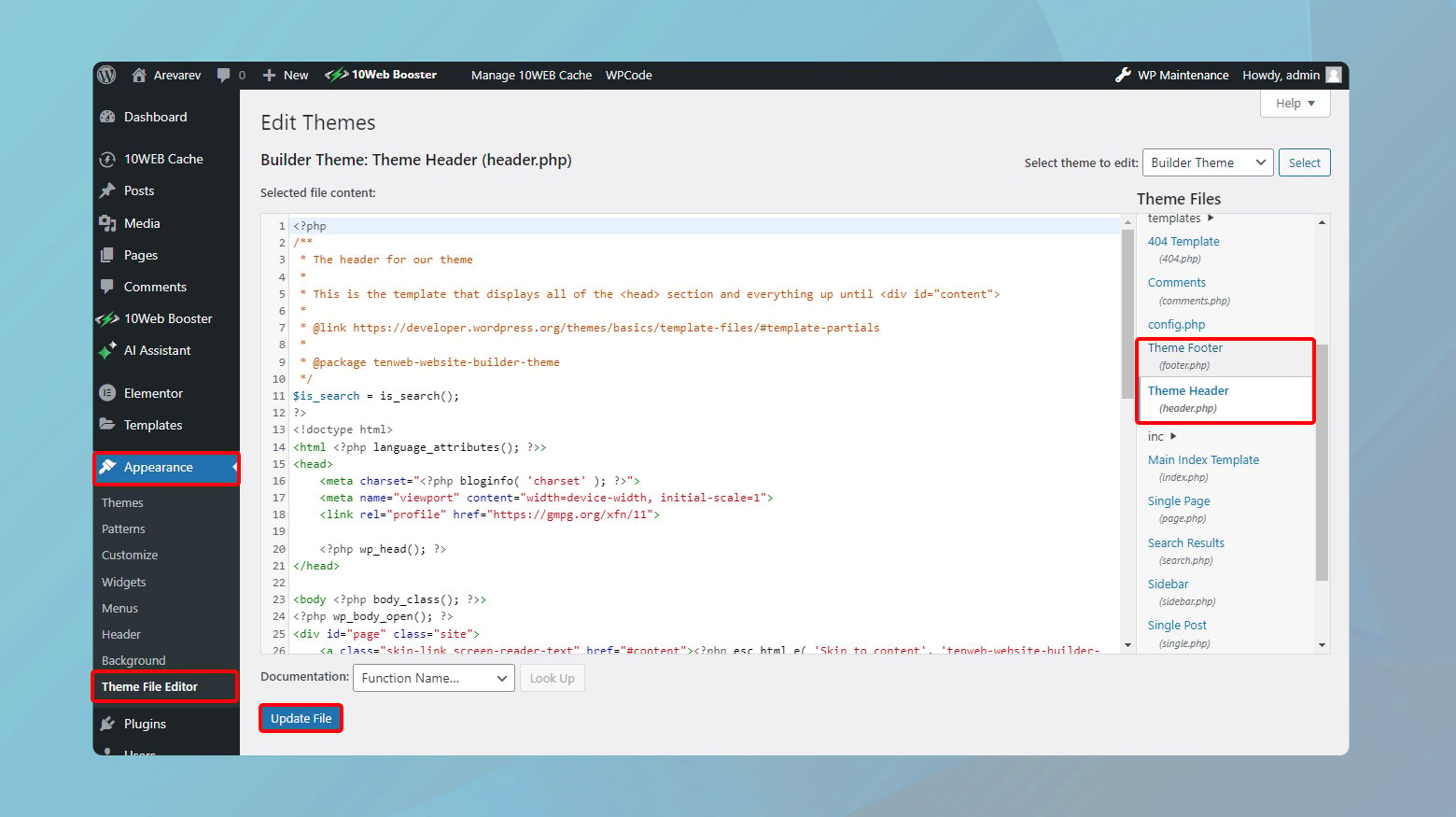
Adding files is easy. Use the include() function. Or use require(). These functions pull files into your theme. Make sure paths are correct. Incorrect paths cause errors. Errors make sites crash. Crashes make visitors leave. Leaving is bad for business.
Credit: 10web.io
Common File Types
WordPress themes use different file types. Each has its role. The PHP files are for logic and processing. They help run the theme. Then, there are CSS files. These files style the website. They make it look nice. JavaScript files add interactive features. They make the website lively. Images are in JPG or PNG format. These files add visuals.
There are also HTML files. They structure the content. HTML is like the bones of the page. All these files work together. They make your WordPress theme complete. Each file has its place. Understanding them helps in managing a theme.
Using Php Include Function
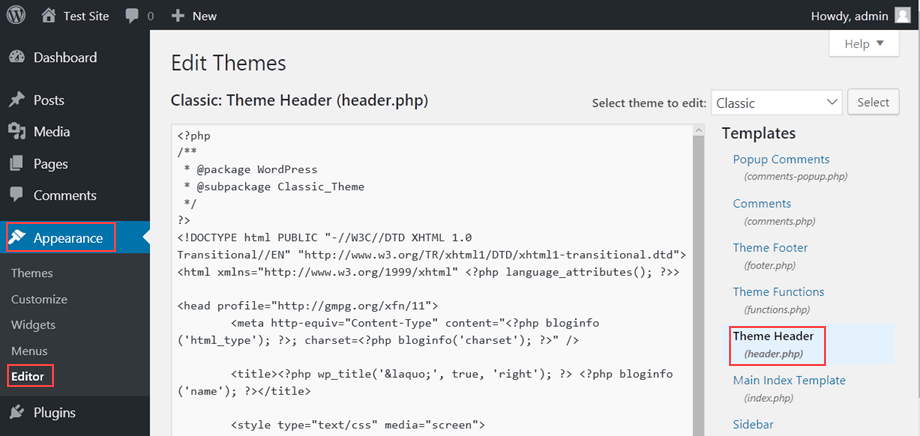
PHP helps to add files in WordPress themes. This function is called include. You can use it to reuse code. It saves time and effort. First, open your theme’s folder. Find the file where you want the code. Use the include function there. Write: include 'filename.php'; inside the PHP tags. Replace ‘filename.php’ with your file name. The file should be in the same folder. If not, use the file path.
Be careful. If the file path is wrong, it won’t work. PHP might show an error. Check the file name and path. Check code for mistakes. Make sure the code is correct. This way, your site works well. Keep files organized. It helps find files easily. Use include to make your site better.
Credit: www.hostpapa.com
Template Parts
Integrating template parts into a WordPress theme simplifies file inclusion and enhances theme structure. Use PHP’s `get_template_part()` function to effortlessly add reusable code snippets. This method keeps your theme organized and flexible, ensuring easy maintenance and updates.
Creating Template Parts
Template parts help break themes into small bits. These bits include headers, footers, and sidebars. First, create a new file in your theme folder. Name it as you like. Add the code you want inside. Save the file. This file is now a template part. It will be used in different places in your theme.
Loading Template Parts In Theme
Load template parts using a special function. Use get_template_part() for this task. It pulls files from your theme folder. For example, use get_template_part('header') to load the header file. Add this code where you want the template to appear. It makes themes easier to manage. Changing one file updates it everywhere. It saves time and effort.
Child Themes
Child themes are like a copy of the main theme. They let you make changes safely. The original theme stays untouched. This means fewer problems during updates. Customizing is easier. You can change small parts without big risks. This is a big help for beginners. If mistakes happen, the main theme stays safe.
Sharing your work is also simple. You can show others your changes without sharing the whole theme. This keeps the main theme neat and tidy. Using child themes is a smart way to learn more about theme design. It helps you practice without fear of breaking things.
Adding files to a child theme is easy. First, create a new folder. This folder is inside the child theme. Next, put your files in this folder. Use the functions.php file to call these files. This is like giving a map to your theme.
Always check file paths twice. A wrong path makes things not work. Practice makes perfect. Start with simple files. Then, try more complex ones. This way, you learn step by step. Remember, patience and practice are important. Keep your files organized. This helps find them easily when needed.
Enqueueing Scripts And Styles
Use the wp_register_script() function to register scripts. This tells WordPress about your script. Then use wp_enqueue_script() to add the script to your theme. It ensures the script loads at the right time.
For styles, use wp_register_style(). Register the stylesheet first. Then enqueue it with wp_enqueue_style(). This makes sure your styles are ready. Follow this method to keep your theme neat.
Add scripts and styles in the functions.php file. Open the file in your theme folder. Use the add_action() function. Hook it to wp_enqueue_scripts. This connects your scripts and styles.
Always check the order. Enqueue scripts and styles properly. This avoids any conflicts. Your theme will work smoothly. This is an important step.
Using WordPress Hooks
Action hooks let you add code at certain points. They help you run functions at specific times. Filter hooks change data before it is shown. They help you change text or images. Both hooks are easy to use in WordPress themes.
File inclusion is simple with hooks. Use action hooks to call files at the right time. Use filter hooks to change file data if needed. Place your code in the theme’s functions.php file. Always test your code to make sure it works.
Security Considerations
Ensure files are secure when adding them to a WordPress theme. Use trusted sources and verify code authenticity. Regular updates help prevent vulnerabilities and protect user data.
Validating File Paths
Always check file paths before including files. This prevents security issues. User inputs can be risky. They might contain harmful code. Use functions like realpath() to verify paths. This function checks if a path is real and safe. Avoid using direct user inputs in file paths. Always sanitize inputs first. Use WordPress functions like sanitize_text_field() for clean data. Clean data ensures safety. It stops malicious attacks.
Preventing Unauthorized Access
Unauthorized access can harm your site. Limit which files users can access. Use permissions wisely. Set file permissions to restrict access. Only allow access to necessary files. Use functions like is_user_logged_in(). This checks if a user is logged in. Logged-in users are usually safer. Protect sensitive files. Store them in secure directories. Use plugins for extra security. Many plugins offer additional protection. Regular checks help maintain security. Always update themes and plugins. Updates fix security issues.
Troubleshooting Common Issues
Including files in a WordPress theme often causes confusion. Use `get_template_part()` function to manage file inclusion seamlessly. It simplifies the process while maintaining a clean, organized code structure.
File Not Found Errors
Sometimes, WordPress can’t find the file you want. This happens if the file path is wrong. Double-check the file location. Make sure it exists in the right folder. Check if the spelling of the file name is correct. Even small mistakes cause big problems. Another reason is the theme update. Updates might change file paths. Look at the theme’s code after an update. Sometimes, you need to re-include files. Also, check the file extension. It should be correct. Use “.php” for PHP files. If the file is still not found, ask for help from the support team.
Permission Issues
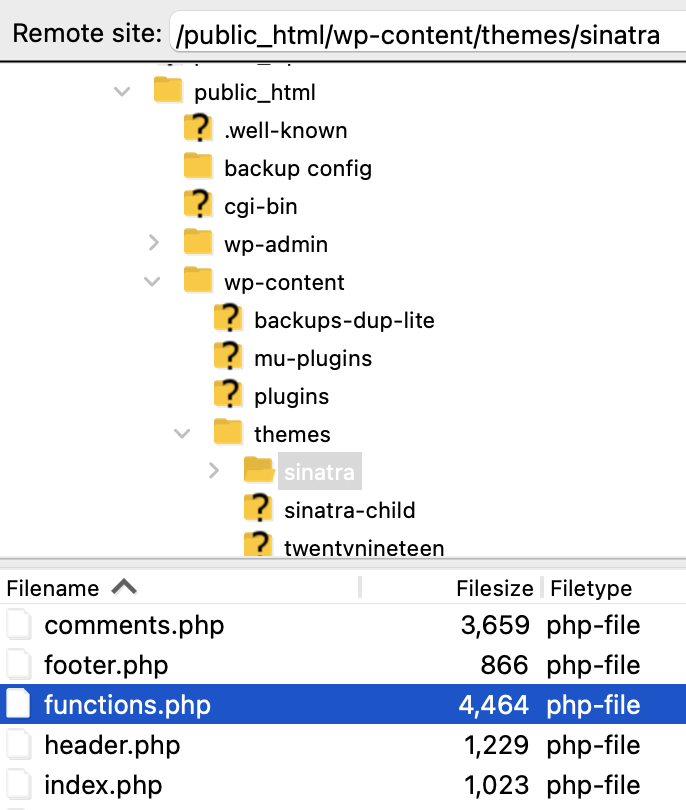
WordPress needs permission to access files. If permissions are wrong, it can’t open files. Check file permissions using FTP. Files should have 644 permission. Folders need 755 permission. These numbers are important. They tell who can read and write files. Adjust permissions if they are wrong. Use your hosting control panel. Sometimes, plugins change permissions. Disable plugins to check if they are the cause. If the issue continues, contact the hosting provider. They can help fix permission issues.
Credit: jetpack.com
Frequently Asked Questions
How Do I Include A Php File In WordPress?
To include a PHP file in a WordPress theme, use the `include()` function in your theme’s `functions. php` file. Place the file path inside the function. Ensure the file is in the right directory to prevent errors.
Can I Use Include_once In WordPress Theme?
Yes, you can use `include_once()` in a WordPress theme. This function includes the specified file only once, avoiding multiple inclusions. It’s useful for preventing redeclaration errors in your theme.
Where To Place Included Files In WordPress?
Place included files in your theme’s directory, usually in a folder named `inc` or similar. Ensure the file path is correct in your `functions. php` file to avoid errors when including it.
Why Include Files In WordPress Themes?
Including files in WordPress themes helps organize code and separate functionality. It keeps your theme clean and manageable. It also allows for easier debugging and maintenance of your theme.
Conclusion
Incorporating files into your WordPress theme is straightforward and essential. It enhances your site’s functionality and appearance. By following the steps provided, you can efficiently include files. Keep your WordPress theme organized and updated. This practice ensures a smooth user experience for visitors.
Always remember to back up your theme before making changes. This precaution saves time and stress. Experimenting with different files can lead to exciting results. Try different approaches and find what works best for your site. With practice, including files becomes second nature.
Enjoy the process and improve your WordPress skills.


