
Are you ready to take control of your online presence? Implementing web hosting is the first step towards bringing your website to life.
Whether you’re launching a blog, an e-commerce store, or a professional portfolio, understanding how to set up web hosting is crucial. But don’t worry—it’s easier than you think. By the end of this article, you’ll have a clear roadmap to guide you through the process.
Imagine having your website accessible to anyone, anywhere, at any time. You’ll be well on your way to achieving that dream. Dive in, and let’s unlock the secrets of web hosting together.
Types Of Web Hosting
Shared hosting is a simple type of hosting. Many websites share one server. It’s cheap and easy to use. Beginners often choose shared hosting. They don’t need to manage the server. Resources are shared among websites. Sometimes, it can be slow if many websites use too much power.
VPS stands for Virtual Private Server. This hosting is better than shared hosting. Each website gets its own space. It’s more secure and faster. Users can control their own server part. Good for small businesses. Costs more than shared hosting.
Dedicated hosting gives one server to one website. It’s very powerful and fast. Great for big websites. Owners have full control of the server. It costs a lot. Security is top-notch. Perfect for websites with a lot of visitors.
Cloud hosting uses many servers. Resources come from different places. It’s very flexible. Websites stay online even if one server fails. Costs depend on usage. Good for growing websites. Scales well with traffic.
Credit: www.hostingseekers.com
Choosing The Right Hosting Provider
Good performance is very important. It helps your website load fast. Slow sites make visitors leave. Look for high uptime. This means your site stays online. A good provider should offer 99% uptime or more. Check their server speed too. Fast servers make happy users.
Safety is key for any website. Choose a host with strong security features. Find out if they offer SSL certificates. These keep data safe. Look for firewalls and malware protection too. These protect your site from bad people. Your website’s safety should be a top priority.
Problems happen sometimes. Good customer support can help. Look for support that is available 24/7. This means they can help anytime. Check if they offer live chat or phone support. Fast help is better than waiting. Read reviews to know if they are helpful.
Setting Up Your Domain
Choosing a unique domain name is important. It helps people find your site. Use a domain registrar to register your name. Popular registrars include GoDaddy, Namecheap, and Google Domains. Check if your chosen name is available. If yes, proceed to register. Pay for your domain to secure it. Make sure to renew it when needed. Your domain is your online address.
DNS stands for Domain Name System. It connects your domain to your website. Access your registrar’s DNS settings. Enter your website’s IP address. This links your domain to your hosting server. Update DNS records if you change hosting. Changes can take 24 hours to update. DNS makes sure people can visit your site. Without it, your domain won’t work.
Server Configuration
Choose a good operating system for your server. Windows and Linux are popular options. Linux is often used for web hosting. It is free and has many features. Windows is also a choice for some users. It supports Microsoft technologies. Always check your needs before deciding.
Install necessary software on your server. You need a web server like Apache or Nginx. These help to manage web pages. A database server is also important. MySQL or PostgreSQL are common choices. They store data safely. Don’t forget about programming languages. PHP and Python are useful for web development.
Website Deployment
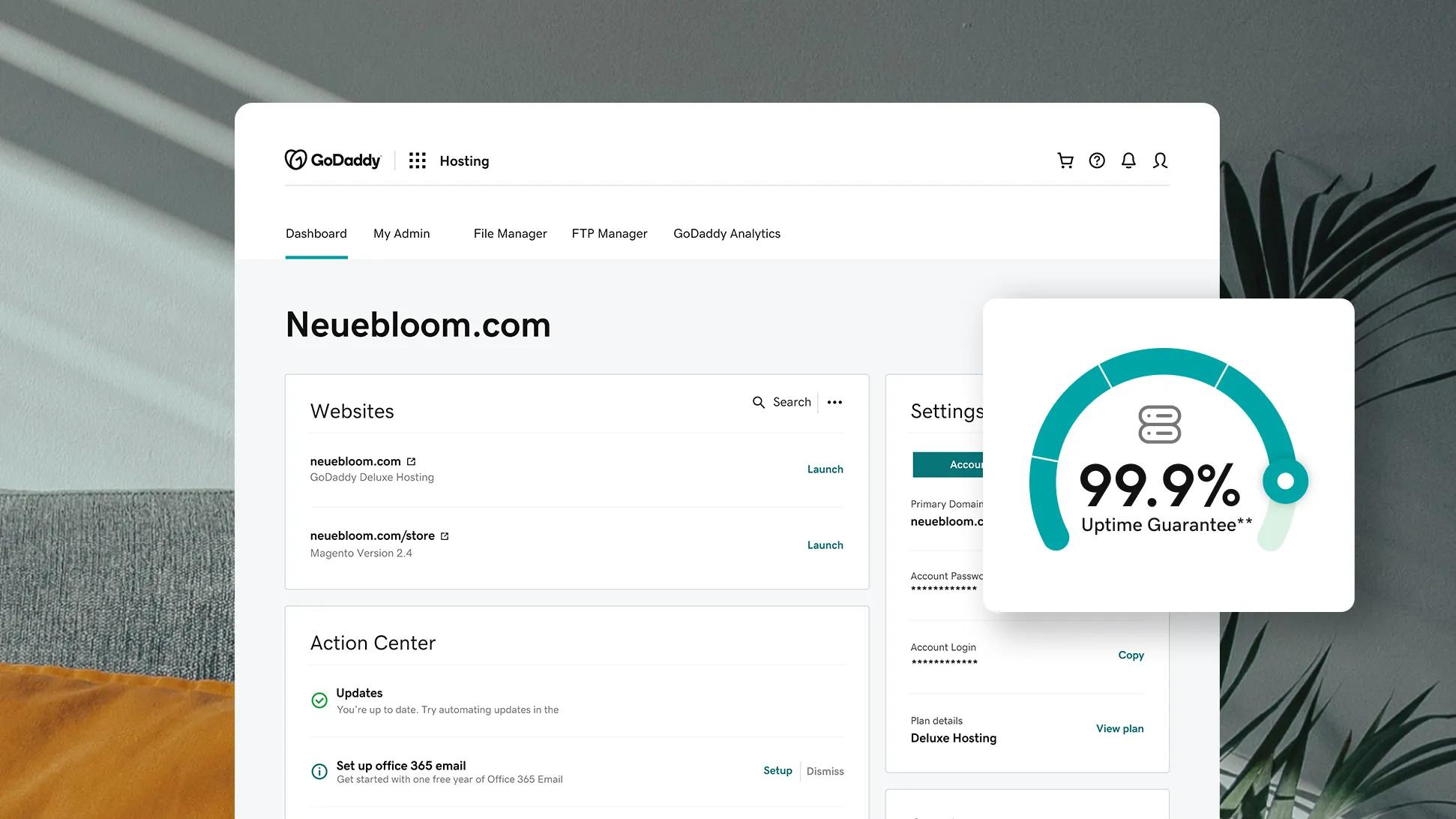
FTP helps send files to your web server. It’s easy to use. Upload and download files quickly. Many people use FTP clients. They are special programs. Examples are FileZilla and Cyberduck. These programs make file transfer simple. First, connect to the server. Use a username and password. Next, choose files to upload. Click and drag them. Watch them transfer. Files appear on the server. Now your website is live.
CMS platforms simplify website building. Popular options are WordPress and Joomla. They offer templates and themes. Choose one for your site. No coding needed. Add text and images easily. Use simple tools to edit. CMS provides plugins. These add features to your site. Improve your site’s look. Make it interactive. Keep content fresh. Update often. Engage visitors with new posts.
Credit: www.godaddy.com
Managing Resources
Bandwidth is like a road for data. It lets information travel. More bandwidth means more data can move quickly. Websites need enough bandwidth. It helps them run smoothly. If a site gets busy, it needs more bandwidth. Without it, the site can become slow. Allocating the right amount is important. It ensures a good user experience.
Storage is where data is kept. Websites need space to store files. Images, videos, and text need storage. More content means more storage is needed. Choose the right type of storage. It should fit the website’s needs. This helps in organizing data well. Good storage management makes websites efficient. It also helps in quick data access.
Monitoring And Maintenance
Keeping an eye on your website’s speed is vital. Slow sites lose visitors fast. Regularly check for any slowdowns. Use tools to monitor your website’s performance. Look for any errors or downtimes. Tools like Google Analytics can help. They show how long pages take to load. Fix any issues quickly to keep users happy.
Always save copies of your website. Backups protect your data from loss. Things can go wrong sometimes. Having a backup is like having a safety net. Use a reliable backup tool for this. Back up your site weekly or more often. Store copies in a safe place. This ensures your data stays safe and secure.
Credit: host4geeks.com
Scaling Your Hosting
Discover effective ways to scale your web hosting efficiently. Upgrade your hosting plan to handle increased traffic. Ensure seamless website performance by optimizing resources and managing server loads.
Upgrading Plans
Choosing the right plan is very important. Basic plans can limit your website. Advanced plans offer more space and speed. Consider your needs before upgrading. Traffic increase can demand a better plan. Upgrading can help your site grow faster. More resources mean better performance. Plan upgrades can be done easily. Check your provider’s options for upgrades. Costs might increase with upgrades. Budget planning is essential before upgrading. Review your website needs regularly.
Load Balancing
Load balancing helps manage traffic. Even distribution of visitors improves site speed. Servers share the load equally. Helps prevent crashes during peak times. Increases reliability for users. Multiple servers work together seamlessly. Handling traffic spikes becomes easier. Choose a good load balancer for your site. Setup can be complex but worth it. Monitor performance after setup. Adjust settings for better results. Ensures smooth operation of your website.
Frequently Asked Questions
How Do I Set Up A Web Hosting?
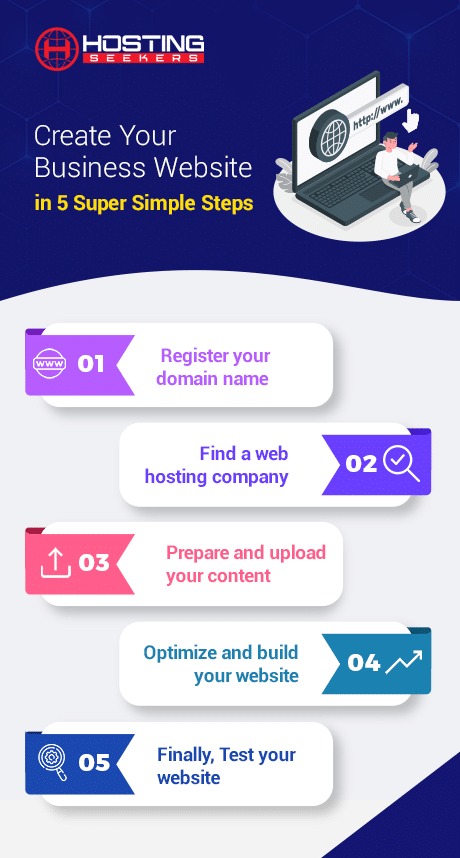
Choose a reliable web host and sign up for a plan. Register a domain name. Install website software, like WordPress, using the host’s control panel. Customize your site and upload content via FTP or the host’s file manager. Check settings and publish your website online.
Can I Host A Website Myself?
Yes, you can host a website yourself. You’ll need a computer, server software, a stable internet connection, and technical knowledge. Ensure your computer is on 24/7 for reliability. Consider security measures to protect your site. Self-hosting requires time and resources but offers complete control.
What Are The Three Types Of Web Hosting?
The three types of web hosting are shared hosting, virtual private server (VPS) hosting, and dedicated server hosting. Shared hosting is cost-effective, VPS offers more control, and dedicated hosting provides maximum resources and customization. Choose based on your website’s needs and budget.
How Much Do I Pay To Host A Website?
Website hosting costs vary from $3 to $300 monthly. Pricing depends on the hosting type and provider. Shared hosting is cheaper, while dedicated hosting is more expensive. Additional features and support also affect the price. Compare plans to find a suitable option within your budget.
Conclusion
Setting up web hosting doesn’t have to be complex. Start with understanding your needs. Choose a reliable provider. Ensure they offer good support. Compare plans and read reviews. Register your domain. Install necessary software. Test your website thoroughly. Make sure it’s user-friendly and loads quickly.
Keep backups of your data. Monitor your site’s performance regularly. Address issues promptly. Remember, a well-hosted site helps your business grow. Stay informed about updates in hosting technologies. This knowledge will benefit your online presence. Happy hosting!


