
Choosing the right web hosting company can feel like finding a needle in a haystack. With countless options available, how do you make sure you’re picking the best one for your needs?
If you’ve ever felt overwhelmed while scrolling through endless reviews or comparing technical jargon, you’re not alone. But don’t worry; we’ve got you covered. You’ll discover simple steps to identify the perfect web hosting company tailored just for you. Imagine having a reliable partner that ensures your website runs smoothly, loads quickly, and stays secure.
By the end of this guide, you’ll feel confident and empowered to make a choice that sets your online presence up for success. Curious to learn how? Let’s dive in and unlock the secrets to finding your ideal web hosting match.
Types Of Web Hosting
Shared hosting is like sharing a room with friends. Many websites live on one server. Each site gets a part of the server. This is good for small sites with low traffic. It is cheap and easy to use. But, if one site gets lots of traffic, others may slow down.
VPS stands for Virtual Private Server. It is like having your own room in a shared house. Each site has its own part of the server. It is more private and secure than shared hosting. It is also more expensive. Good for growing sites with more visitors.
Dedicated hosting means you have the whole server to yourself. Like having your own house. It is very powerful and private. Best for big sites with lots of traffic. It is the most expensive option. Needs technical skills to manage.
Cloud hosting uses many servers working together. Like having many helpers. If one server fails, others take over. It is very reliable and scalable. Good for sites with changing traffic. Costs can vary. You pay for what you use.

Credit: hostingchecker.com
Essential Features To Consider
Uptime is vital for your website. It means your site is always available. Most companies offer 99% uptime. Always look for higher numbers. Downtime can hurt your business. Make sure your host gives good uptime.
Good customer support helps quickly. Look for 24/7 support. This means help is always there. Live chat is faster than email. Phone support is also good. Check if they have a helpful team. Reviews often tell how support works.
Bandwidth affects site speed. More bandwidth means more traffic. Storage is for your files and data. Need more space for big sites. Check what your plan offers. Unlimited is best for both. Always read the fine print.
Websites need strong security. Look for SSL certificates. These keep data safe. Firewalls protect against attacks. Daily backups help in case of loss. Ensure your host offers good security features. Trust is key in web hosting.
Evaluating Performance
Fast websites are important. Users leave slow sites quickly. Reliable hosting ensures websites stay online. Frequent downtimes can frustrate visitors. A good host keeps your site up.
Server locations matter a lot. Close servers load pages faster. They provide better experiences. Faraway servers can slow down sites. Choose a host with nearby servers. This improves site speed.
Load times affect user satisfaction. Slow loads can irritate visitors. Quick loading is key to happy users. Hosting affects how fast pages load. Pick hosts with proven fast load times.
Pricing And Plans
Free hosting is often tempting. No cost at first glance. But it has limits. Limited space and bandwidth. Many ads can appear. Paid hosting is more reliable. Offers better support and features. Choose wisely based on needs. Free is for small sites. Paid hosting suits larger sites. Think about future growth.
Some hosting plans seem cheap. Watch out for hidden fees. Fees for extra features or support can surprise. Always read the fine print. Understand what is included. Ask about charges for upgrades. Ensure no surprise costs later. Knowing all costs helps budget better.
Think about how your site may grow. Scalability is important. Choose a host that offers growth options. Some hosts limit resources. Others allow easy upgrades. Ensure your plan can grow with your needs. Flexible plans are often best. Helps to avoid moving later.
User Reviews And Reputation
Online reviews help find a good web hosting company. People share their experiences with hosting services. Positive reviews mean a company is reliable. Negative reviews show problems. Reading reviews gives insights into company performance.
Industry reputation matters when choosing a host. Top companies have good reputations. They are trusted by many users. Awards and recognitions show their reliability. A strong reputation means a company is respected.
Customer testimonials are stories from users. They share their success with hosting services. Testimonials are proof of quality. Happy customers show a company is doing well. Look for testimonials that highlight key benefits.

Credit: www.greengeeks.com
Technical Support And Customer Service
Good hosting companies offer 24/7 support. This means help any time. Check their support hours. Make sure they are always there.
Quick answers are important. Slow replies can be frustrating. Fast response times show they care. Check reviews for response speed.
Many ways to get help. Email, chat, phone, or forums. More options are better. Choose a company with multiple channels.
Specialized Hosting Needs
E-commerce hosting is important for online stores. It supports payment systems and product catalogs. Look for SSL certificates for secure transactions. Choose hosts with high bandwidth. This helps when many people visit your store. 24/7 support ensures help is always available.
Media hosting handles videos, music, and pictures. It needs large storage. Fast servers are crucial for smooth streaming. Pick hosts with CDN support. This spreads content worldwide quickly. Scalability is key for growing media sites.
Blog hosting is for personal or business blogs. It should offer easy-to-use platforms like WordPress. Reliable uptime keeps blogs online. SEO tools help attract readers. Look for customizable themes. This makes your blog unique.
Credit: sitechecker.pro
Frequently Asked Questions
How Do I Know The Hosting Provider Of A Website?
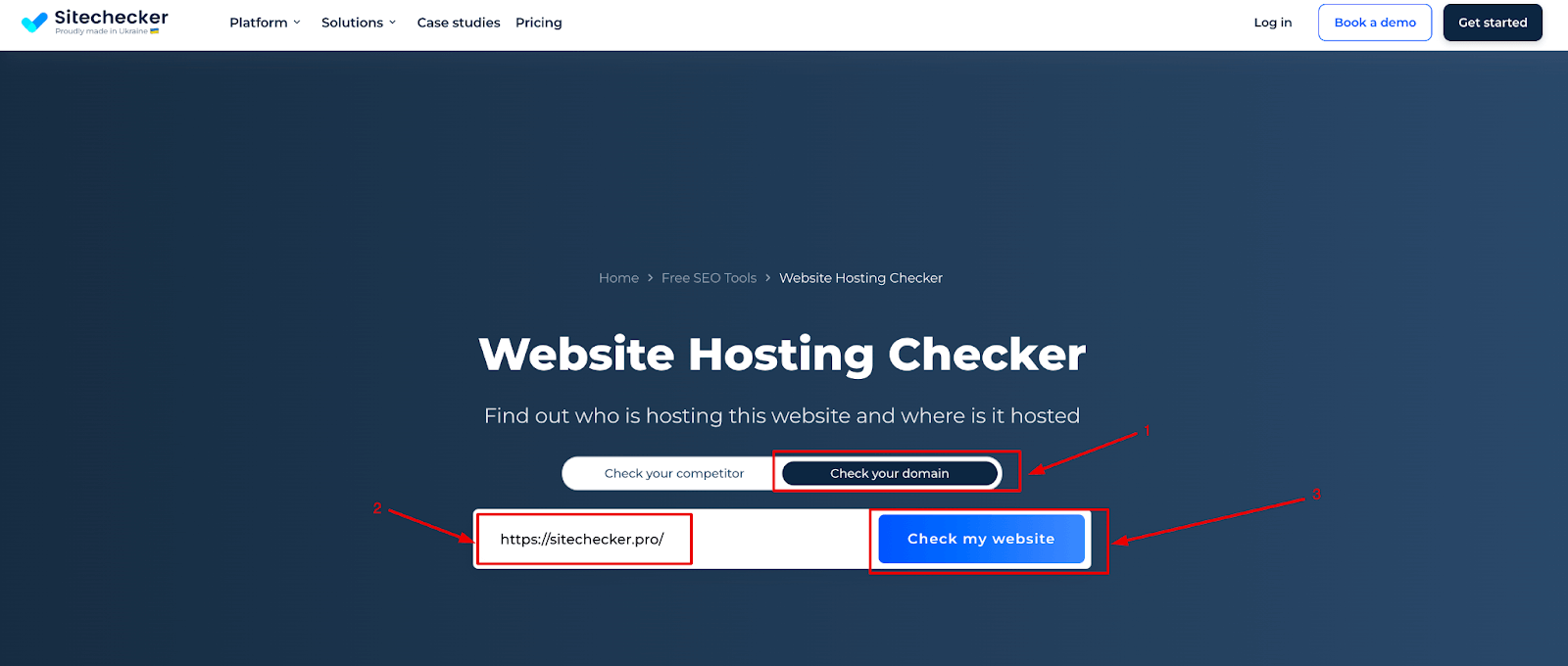
Use online tools like “WhoIs” or “Hosting Checker” to find a website’s hosting provider. Enter the website URL, and the tool will display hosting details. Alternatively, inspect the website’s IP address and search it in an IP lookup tool to identify the hosting company.
How Do I Find Out What Platform A Website Is Hosted On?
Use online tools like BuiltWith or Netcraft to identify a website’s hosting platform. Inspect website elements or check its DNS records for clues. Look for platform-specific details in the site’s footer or contact the website owner for hosting information.
What Is The Name Of My Hosting Provider?
Check your email confirmation or billing statement for the hosting provider’s name. It might also be visible in your website’s admin panel or domain registrar account. Common providers include Bluehost, HostGator, SiteGround, and GoDaddy. You can also contact your website support for details.
Is Godaddy A Web Hosting Company?
Yes, GoDaddy is a web hosting company. They offer various hosting services, including shared, VPS, and dedicated hosting. Their services support website creation and management. GoDaddy also provides domain registration and online marketing tools, catering to businesses and individuals seeking an online presence.
Conclusion
Choosing the right web hosting company matters. It affects your website’s performance. Start by assessing your needs. Consider speed, reliability, and support. Compare different providers. Read user reviews carefully. Price is important, but not everything. Ensure the company offers scalability.
Check for security features. Look for easy-to-use control panels. Pay attention to uptime guarantees. Your chosen host should fit your budget. But also meet your requirements. A good decision supports your online goals. Make an informed choice. Your website’s success depends on it.


