
Are you looking to host a web service but feeling overwhelmed by the technical jargon? You’re not alone.
Many people want to bring their ideas to life online but get stuck on where to start. Imagine the satisfaction of seeing your web service live, reaching users across the globe. It’s not as complicated as it seems. With a few straightforward steps, you can have your service up and running.
This guide will simplify the process for you, breaking it down into manageable parts. So, let’s dive in and explore how you can host your web service efficiently and without stress.
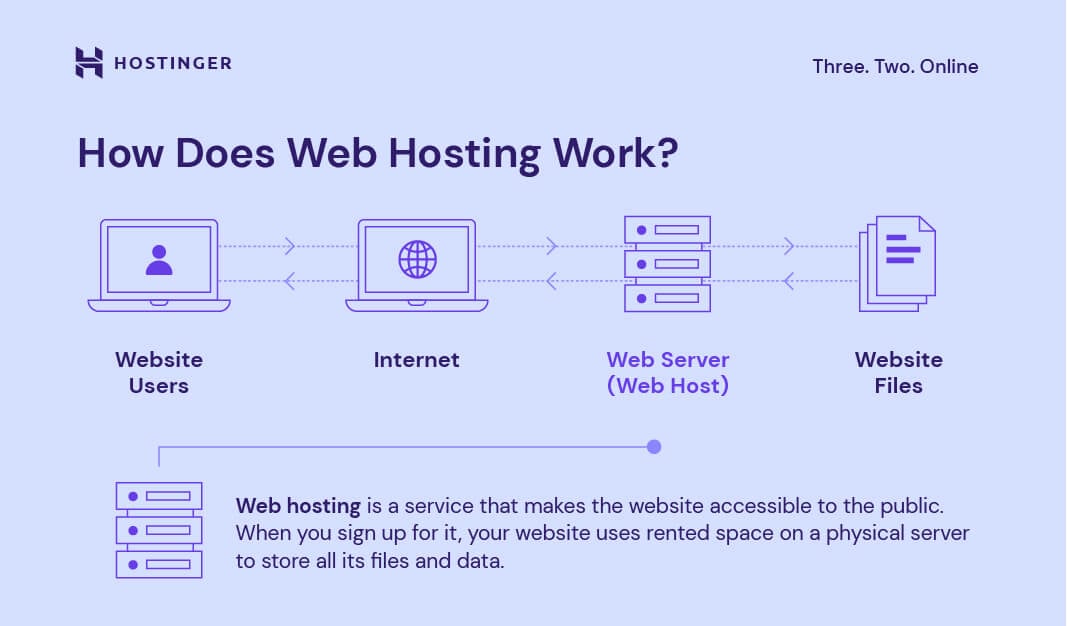
Credit: www.hostinger.com
Choosing The Right Hosting Provider
Start by understanding your website needs. Do you need a lot of storage? Or is speed more important? Each website is unique. Some need high security. Others might need lots of bandwidth. Write down what you need most.
There are many hosting types. Shared hosting is cheap but slow. VPS hosting is faster but costs more. Dedicated hosting is best for big sites. Compare the features and prices. Choose what fits your needs and budget.
Check the reputation of each provider. Read reviews from other users. Look for reliable service. Good providers have 24/7 support. A bad provider can cause downtime. Downtime means your site is offline. Choose wisely to keep your site running.
Setting Up A Domain Name
Choose a name that is easy to remember. It should also relate to your service. Short names are usually better. Try to avoid numbers or hyphens. They can confuse people. Make sure the name is unique. Check if it’s already taken. Use a domain registrar for this. It helps you find available names.
After choosing, register the domain. Visit a domain registration site. Popular ones include GoDaddy and Namecheap. Create an account if needed. Fill in your details. Pay the registration fee. Prices vary based on the domain. Once paid, the domain is yours. Keep track of renewal dates. This ensures you don’t lose it.
DNS settings link your domain to a server. Log into your domain account. Find the DNS settings section. Add or edit the DNS records. Point them to your web hosting provider. This process connects your domain to your website. Changes might take time to update. Usually, within 24 hours.
Installing Web Server Software
First, decide which web server you need. Popular choices are Apache and Nginx. Apache is known for its flexibility and Nginx for its speed. Both are open-source and free. Consider your needs before picking one.
Begin by downloading the server software. Visit the official website for this. Follow the installation steps provided. Often, you only need to click “Next” a few times. Ensure your computer meets the software requirements. This is crucial for smooth operation.
Once installed, configure your server settings. Open the server configuration file. Change the default settings to suit your needs. Set the server name and port number. Save the changes and restart the server. This ensures all settings are applied.

Credit: en.wikipedia.org
Deploying Your Web Application
First, gather all the important files. Make sure each file is updated. Check for errors and bugs in the code. Organize files in clear folders. Use names that make sense. This helps with easy access later. Compress files to save space. Use ZIP or TAR formats. It makes uploading faster.
Choose a reliable server for hosting. Use FTP or SCP for uploading files. These tools help move files safely. Check server settings before starting. Ensure settings match your application needs. Upload files step by step. Watch for any upload errors. Fix errors quickly. Check files once upload is done.
Open your web browser. Type the server URL. Check if the application loads. Test each feature of the app. Click buttons and links. Ensure they work as expected. Look for any broken links. Fix them immediately. Test on different devices. Check mobile and desktop views. Make sure everything looks good.
Securing Your Web Service
SSL certificates make your site safe. They encrypt data between users and servers. This stops hackers from stealing information. Websites with SSL show a lock icon in the browser. Users trust sites with SSL more. It’s like putting a lock on your website. Easy to install and very important.
Firewalls are like guards for your website. They watch for bad traffic. Only good traffic gets through. They stop hackers from entering. Firewalls can be software or hardware. Both are useful. Having a firewall is like having a security team for your site.
Regular checks keep your site safe. Security audits find weak spots. Fixing these keeps hackers out. Think of audits like health check-ups for your site. They help keep everything in order. Do audits often. It’s a smart way to protect your web service.

Credit: www.researchgate.net
Monitoring And Maintenance
Use tools to watch your website’s performance. These tools help find slow parts of your site. They can show if your site is too busy. It’s important to keep an eye on traffic spikes. These can make your site slow. Good tools can help fix issues quickly.
Always have a backup plan. This keeps your data safe. If something goes wrong, you can get your site back. Regular backups are important. They make sure your site can be restored easily. Make a schedule for these backups. Keep copies in a safe place.
Keep your software up-to-date. This helps protect against hackers. New updates fix security holes. Check for updates regularly. Install them as soon as you can. Use good antivirus software. This helps keep your site safe from attacks.
Frequently Asked Questions
How To Host A Webservice?
To host a web service, choose a reliable hosting provider. Set up a server environment and install necessary software. Deploy your web service files and configure DNS settings. Test to ensure functionality and security. Regularly update software and monitor performance for optimal service.
How Much Does It Cost To Host A Web Service?
Web hosting costs vary widely, starting from $3 to $300 monthly. Shared hosting is cheapest, while dedicated servers are pricier. Prices depend on resources, features, and provider.
Can I Host My Website Myself?
Yes, you can host your website yourself. It requires hardware, software, and a reliable internet connection. Ensure your server is secure and regularly maintained to avoid downtime and data loss. Consider the costs and technical expertise needed before proceeding with self-hosting.
What Is A Web Hosting Service?
A web hosting service provides space on a server for websites to store files and data. It enables website accessibility on the internet. Hosting services offer various plans, including shared, VPS, and dedicated hosting. Choosing the right hosting impacts site speed, security, and performance.
Conclusion
Hosting a web service doesn’t have to be complex. Start small, focus on essentials. Choose a reliable server that suits your needs. Ensure your security measures are strong. Test your service thoroughly before launch. Monitor performance regularly to keep it running smoothly.
Stay informed about updates and trends in hosting. This will help you make informed decisions. Remember, practice makes perfect. As you gain experience, hosting will become easier. With patience and dedication, you can host a successful web service. Enjoy the journey of learning and growing in this field.


