
Are you ready to take your web development skills to the next level? Hosting a Web API in C# can seem like a daunting task, but it doesn’t have to be.
Imagine effortlessly managing your data, enhancing user interactions, and providing seamless services to your clients. By mastering the art of hosting Web APIs, you open up a world of possibilities for your applications. Whether you’re a seasoned developer or just starting out, learning how to effectively host a Web API can be a game-changer.
Dive into this guide to discover step-by-step instructions, pro tips, and insights that will make the process smooth and straightforward. Ready to transform how you build and deploy applications? Let’s get started!
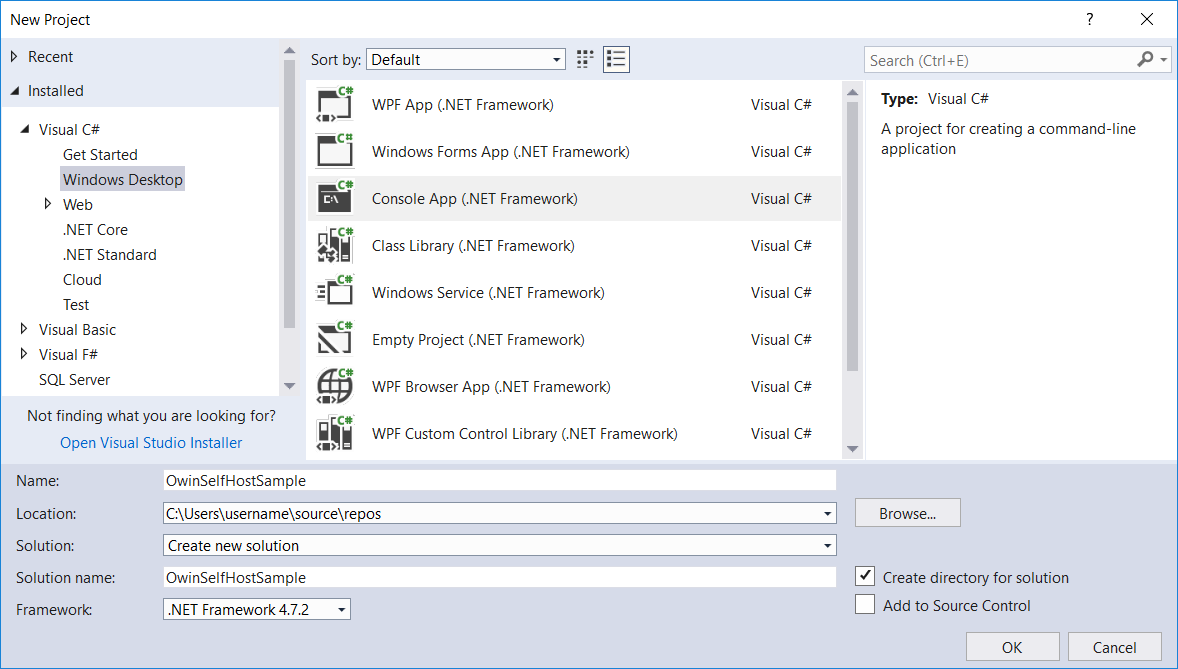
Credit: learn.microsoft.com
Choosing The Right Hosting Environment
Cloud hosting is great for scalability and flexibility. It’s easy to expand resources as needed. This makes it ideal for growing projects. On-premise hosting gives more control. You manage hardware and security. It can be costlier and needs more maintenance. Both have pros and cons. Choose based on your needs and budget.
Windows servers are user-friendly. They work well with Microsoft tools. Good for those using .NET and ASP.NET. Linux servers are reliable and often cheaper. They support a wide range of software. Linux is great for those who prefer open-source tools. Choose based on your technical skills and project needs.
Setting Up The Server
Begin by installing a web server like IIS or Apache. These servers help you run your API. Ensure your server is compatible with C#. You will also need the .NET framework. This software is essential for C# applications. Check your operating system version. Download the correct version of .NET. Installation usually takes a few minutes. Follow the prompts to complete the setup.
After installation, configure your server settings. Open the server’s control panel. Look for network settings. Set your server’s IP address. Ensure it is static for reliability. Adjust the firewall settings. Allow traffic on the ports your API uses. Check security settings. Ensure only trusted users access your server. Save your changes. Restart the server to apply settings.
Deploying The Web Api
First, make sure your API works well. Check every function. Fix any bugs you find. Ensure the code is clean and easy to read. This helps in the future. Remove any unnecessary parts. Use comments to explain the code. This helps others understand it. Next, create a deployment package. This includes all files needed for the server. Use a tool to help with this. Tools make the process easier. Finally, test the package. Make sure it works as expected.
Choose a server to host your API. Many options are available. You can use cloud services. Or a physical server. After selecting, upload your files. Use FTP or other tools to transfer files. Make sure all files are there. Check for missing pieces. Once uploaded, test the API again. Ensure it runs smoothly. Fix any issues quickly. Now, your API is ready for use. It’s live on the internet.
Configuring Api Endpoints
APIs need clear routes to work well. Each route tells where to send data. Use a route table to organize them. This table keeps things neat and easy. Routes are like addresses for your data. They help users find what they need. Always name routes clearly. Clear names help avoid mistakes.
Protecting your API is very important. Use tokens to keep data safe. Tokens act like keys. They open the API only for trusted users. Also, check who is asking for data. This is called authentication. It makes sure only right people use the API. Good security stops bad actions.
Managing Api Security
Authentication is vital for API security. It checks user identity. Passwords are common for authentication. Tokens are better for security. They expire after use. OAuth is a popular token system. It is safe and trusted. API keys are also used. They are simple but less safe. Choose the right method for your needs.
Authorization decides what users can do. It follows authentication. Roles help manage permissions. Admin roles have more power. User roles have limits. Use access control lists. They list who can access what. Keep them updated. RBAC or role-based access control is useful. It ensures security. Set rules carefully for your API.
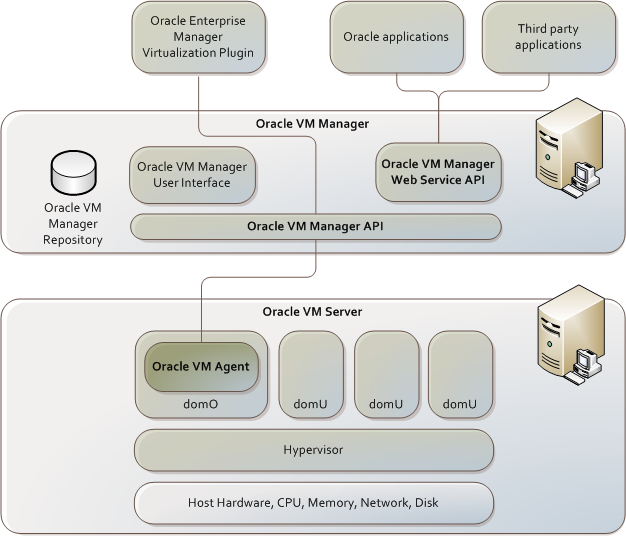
Credit: docs.oracle.com
Monitoring And Maintenance
Monitor and maintain your Web API C with regular checks and updates. Ensure smooth performance by addressing potential issues early. Keep security protocols updated to protect data and user information.
Logging And Error Handling
Good logging is like keeping a diary. It helps track what happens in your Web API. Logs save important events and errors. They show you where things go wrong. Use logs to find bugs faster. Make sure logs are easy to read. Logs should not be too big. Big logs are hard to manage. Always check your logs for any red flags. If something looks strange, fix it quickly. Error handling is important too. It helps when things break. A good error message tells you what went wrong. It also tells you how to fix it. Make sure error messages are clear and helpful.
Performance Monitoring
Performance monitoring shows how well your Web API works. It checks how fast your API is. Speed is important for users. Slow APIs make users unhappy. Use tools to watch the API speed. These tools show if something is slow. If speed drops, find out why. Sometimes, too many users make things slow. Other times, bad code is the problem. Fix issues to keep users happy. Always keep an eye on performance. It helps your API run smoothly.
Scaling The Web Api
Load balancing helps spread user requests. This makes sure no server gets too tired. It uses many servers to handle requests. Each server takes turns. This keeps things fast. Users get their data quickly. It helps the website stay online. Even if one server breaks, others are ready. This is very important for big websites. Big sites have many users. They need many servers to handle them.
Database optimization makes data fetching fast. It helps store data neatly. This makes searching easy. Good optimization uses less space. It speeds up the data retrieval. Fast data makes users happy. Users don’t like waiting long. Optimized databases save time. They make sure data is correct. This is key for web APIs.
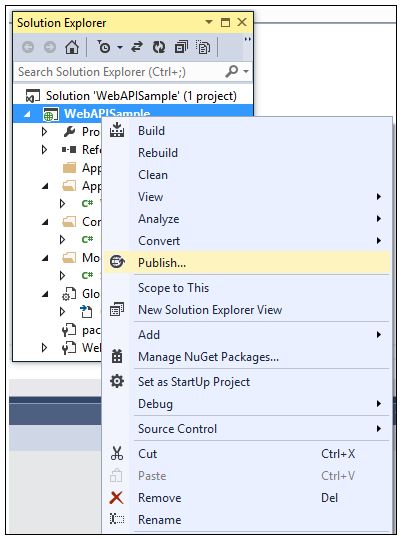
Credit: www.c-sharpcorner.com
Frequently Asked Questions
How Do I Host My Web Api?
Host your Web API by choosing a cloud provider like AWS or Azure. Deploy your API using Docker. Configure server settings for security and scalability. Ensure proper domain setup for easy access. Regularly monitor and update the server for optimal performance.
How To Run C# Web Api?
Install .NET SDK, open terminal, navigate to project folder. Use command: `dotnet run`. Access API via `http://localhost:`. Ensure dependencies are installed, configure launch settings, and verify code runs without errors.
How To Host A .net Core Web Api?
Host a. NET Core Web API by deploying it to a server with IIS or using Docker containers. Configure the server for. NET Core, publish your API, and set up the environment. Ensure security with HTTPS and monitor performance. Use cloud platforms like Azure for scalable hosting options.
How To Host A Local Api?
To host a local API, install a server like Node. js. Set up your development environment and write the API code. Use Express. js for routing. Run the server using command-line tools. Test the API using tools like Postman to ensure it functions correctly on your local machine.
Conclusion
Hosting a Web API in C is straightforward. Start with the basics. Plan your server environment carefully. Choose the right tools. Maintain security at all stages. Test your setup thoroughly before launching. Optimize your code for efficiency. Monitor performance regularly.
Seek help from online forums if stuck. Stay updated with new technologies. Follow best practices for success. Remember, every step counts. Keep learning and improving your skills. Hosting a Web API can be rewarding. With patience and practice, you will get it right.
Your journey in tech is just beginning. Stay curious and keep coding!


