
Are you eager to showcase your Cocos 2D creations to the world but unsure how to get started? Hosting your Cocos 2D projects on the web can be a game-changer, allowing you to share your work with a global audience effortlessly.
Imagine the thrill of seeing your creations come to life on screens everywhere, accessible to anyone, anytime. In this guide, you’ll discover step-by-step how to host Cocos 2D on the web, making it easy for you to exhibit your hard work and creativity.
By the end, you will have the knowledge to bring your projects online, impress your audience, and stand out in the digital landscape. Don’t miss out on the chance to elevate your game development experience. Dive in to unlock the secrets of web hosting success for your Cocos 2D projects!
Setting Up Your Development Environment
First, install Node.js on your computer. It helps run JavaScript code. Download it from the official website. Follow the instructions on the page. Next, get Cocos2d package from their site. This package is needed for creating games. Remember to install a code editor too. Visual Studio Code is a good choice. It is free and easy to use.
Open your IDE after installation. Go to the settings menu. Find the section for extensions. Install the Cocos2d extension. It helps with coding. Set up the path to your Cocos2d package. This ensures the IDE knows where to find it. Save all changes. Now, you are ready to create games with Cocos2d.
Building Cocos 2d For Web
First, make sure you have the right tools. You’ll need a computer with the right software. Install Cocos 2D on your computer. Open your project in the Cocos editor. Find the option to compile your project. Click compile and wait. The computer will do the work. It may take some time. Once done, check for errors. Fix any problems you find. Save your work.
Focus on making the game fast and smooth. Remove any extra features you don’t need. Use small images and simple sounds. This helps the game load quickly. Check your game on different web browsers. Make sure it works well on all of them. Keep testing until everything is right. Ask friends to try it too. They can find things you missed. Update your game with their feedback.
Deploying To A Web Server
Hosting Cocos 2D on the web involves setting up a web server. Start by exporting your Cocos 2D project into a web-friendly format. Upload the exported files to your server, ensuring proper configuration for smooth gameplay.
Choosing A Hosting Service
Selecting the right hosting service is important. Shared hosting is affordable. It is good for small projects. Virtual Private Server (VPS) offers more control. It can handle more traffic. Cloud hosting is great for larger projects. It scales easily. Consider cost, support, and features. Make sure the service supports Cocos 2D. Look for reliability and security. Compare different options before deciding.
Uploading Project Files
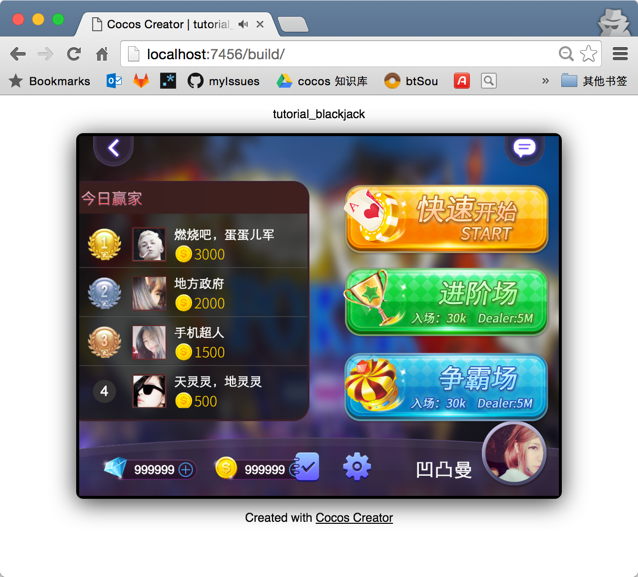
First, prepare your project files. Ensure all files are in one folder. Use a File Transfer Protocol (FTP) client to upload. FileZilla is a popular choice. Connect to your server with the FTP client. Enter your server’s address, username, and password. Drag the project folder to the server. Wait for the files to upload. Check if all files are there. Troubleshoot any errors. Ensure the server has permissions for the files. Your project should now be live on the web.
Credit: docs.cocos.com
Ensuring Web Compatibility
Hosting Cocos 2D on the web requires understanding its compatibility. Ensure web functionality by checking cross-browser support. Simple adjustments can help maintain smooth performance and user satisfaction.
Cross-browser Testing
Different browsers show web pages in unique ways. Testing on many browsers is important. Check how your game looks on each one. Chrome, Firefox, and Safari are popular. Make sure your game works well on them. Also, test on mobile browsers. It helps to catch errors early. This makes sure everyone can play your game.
Responsive Design Considerations
Games should fit different screen sizes. Use responsive design to make this happen. CSS is helpful for styling. It can adjust layouts for small screens. Always check your game’s look on phones and tablets. Touch controls might be needed for mobile. This keeps gameplay smooth for all users.
Enhancing Performance
Asset compression reduces the size of files. This makes them load faster. Small files travel quickly over the web. This helps your game start swiftly. Tools like Gzip and Brotli are great for this. They shrink images, sounds, and other files. Compressed assets use less bandwidth. This saves data for players. Always compress assets before uploading them. It improves the game’s speed.
Lazy loading loads only what is needed. It delays loading items until necessary. This means your game starts with essential parts. Other parts load as players explore. Lazy loading uses less memory at the start. It also makes games feel smooth. Players don’t wait long for the game to start. They enjoy a seamless experience. Implement lazy loading for better performance.

Credit: www.gameanalytics.com
Security Best Practices
Use a strong password for server access. Keep it secret and safe. Update your server software regularly. This helps fix security holes. Install a firewall to block bad traffic. Only allow trusted devices. Always use HTTPS. It keeps data safe between users and servers.
Encrypt game data before storing it. This makes it unreadable to bad people. Limit data access to only those who need it. Set permissions carefully. Back up game data often. Store backups in a safe place. Check for data leaks regularly. Use tools to find and fix them.
Troubleshooting Common Issues
Hosting Cocos 2D on the web can present challenges. Web server configuration often causes issues. Ensure compatibility by checking all server settings. Proper asset loading is crucial for smooth operation. Debugging tools help identify problems quickly. Regular testing ensures your project runs effectively.
Debugging Tools
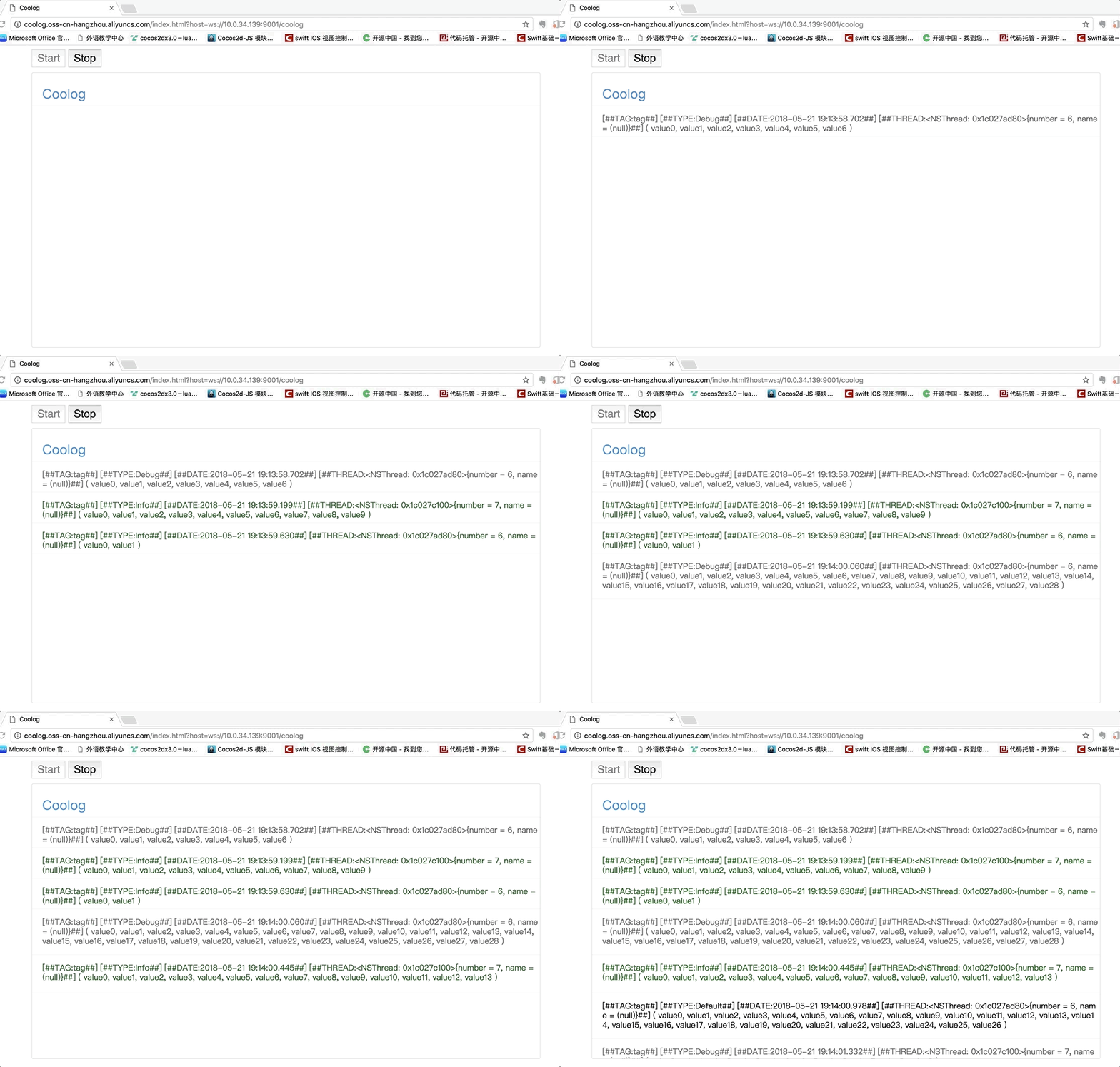
Debugging tools help find problems in Cocos 2D. Use a console to see error messages. Check the browser’s developer tools. They show issues in code. Breakpoints stop code at certain points. This helps you see what is wrong. Inspect elements to check how they look. This tool is useful for fixing layout problems. Network tab helps see if files load correctly. It shows requests and responses. Use these tools to make your game work better.
Fixing Load Errors
Load errors happen if files are missing or paths are wrong. First, check the file paths. They must be correct. Make sure all files are in the right place. Cache issues can cause trouble. Clear the cache to fix this. Server settings might block files. Check server permissions. Files should be allowed to load. Use logs to find errors. They show what went wrong. Fix these problems for smooth loading.
Credit: cocoapods.org
Frequently Asked Questions
Is Cocos2d Chinese?
Cocos2d is an open-source game development framework created by Chinese developer Chukong Technologies. It is popular worldwide and supports multiple platforms. While its origins are Chinese, it has a global user base and community. Developers use Cocos2d for building games across various devices efficiently.
What Is The Difference Between Cocos2d And Cocos Creator?
Cocos2d is a framework for building games, while Cocos Creator is an integrated development environment with visual tools. Cocos Creator offers a more user-friendly interface and supports JavaScript and TypeScript. Cocos2d is more code-centric, suited for experienced developers. Both are popular for creating cross-platform games.
Is Cocos2d Beginner Friendly?
Cocos2d is beginner-friendly, offering extensive documentation and a supportive community. Its simple syntax makes learning game development accessible. Ideal for novices, it provides a straightforward approach to creating 2D games. With numerous tutorials available, beginners can quickly grasp the basics and start building engaging projects efficiently.
Is Cocos2d A Good Engine?
Cocos2d is a versatile engine ideal for 2D game development. It’s open-source, easy to learn, and offers robust community support. Developers benefit from its cross-platform capabilities and extensive resources. Many successful games use Cocos2d, making it a reliable choice for indie developers and small teams.
Conclusion
Hosting Cocos 2D on the web is simpler than it seems. Start by understanding the basics of web hosting. Choose a reliable web host for your needs. Ensure Cocos 2D projects are optimized for browsers. Test thoroughly to catch any errors early.
Use community forums for support and advice. Troubleshooting is easier with shared experiences. Keep learning about web technologies. They evolve quickly and require updates. Experiment with features and improve your skills. Enjoy creating and sharing your projects online. With practice, your hosting will become smoother.
Share your creations with the world.


