
Imagine you’ve captured the perfect photo or created a stunning graphic, and now you want to share it with the world. Hosting an image on the web can be a game-changer for showcasing your work, sharing moments with friends, or even promoting your brand.
But how do you do it effectively? You might feel overwhelmed by the technical jargon or endless options available. Don’t worry, you’re not alone, and this guide is here to simplify the process for you. Whether you’re a seasoned photographer, a budding artist, or just someone looking to share images online, hosting your images properly can make all the difference.
It’s about more than just uploading a file; it’s about ensuring your images are easily accessible, fast-loading, and secure. Imagine the frustration of a slow-loading image or one that disappears unexpectedly. You deserve better, and this blog post will help you achieve that. By the end of this article, you’ll have a clear understanding of how to host an image on the web, with easy-to-follow steps and tips to enhance your online presence. You’ll feel empowered knowing your images are presented in the best possible way, captivating your audience and achieving your goals. So, let’s dive in and unlock the secrets to flawless image hosting on the web.
Selecting A Hosting Platform
Choosing between free and paid options is crucial. Free services are great for simple needs. They offer basic features without cost. Popular free platforms include Imgur and Flickr. These are user-friendly for beginners. But, they have limitations. Limited storage and ads are common. Paid options provide more features. They offer larger storage and no ads. This is ideal for professionals. Consider your needs before deciding.
| Service | Type | Key Features |
|---|---|---|
| Imgur | Free | Easy upload, limited storage |
| Flickr | Free | Community sharing, basic editing |
| Dropbox | Paid | Large storage, secure sharing |
| Google Photos | Paid | Automatic backup, easy access |
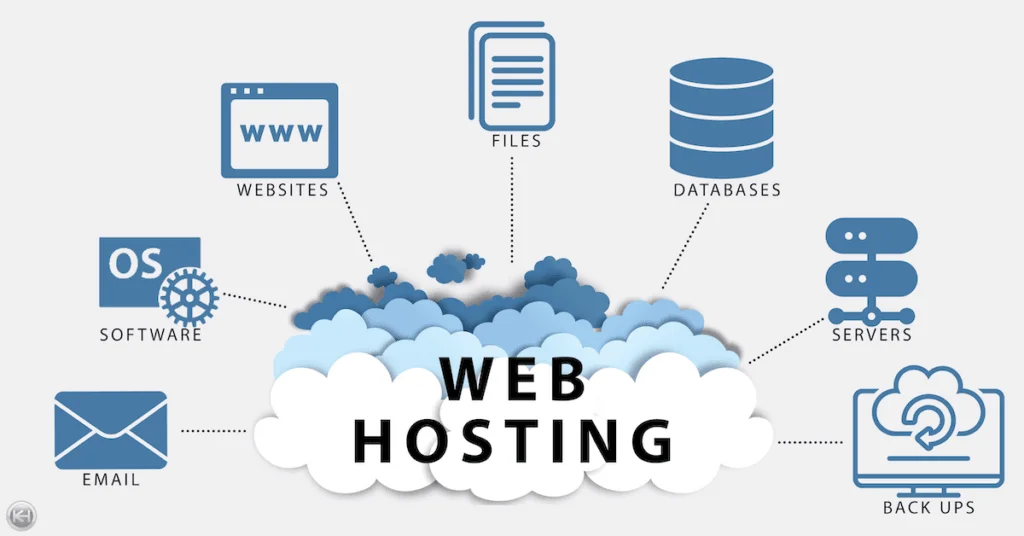
Credit: www.knownhost.com
Preparing Your Image
Choosing the right image format is crucial. JPEGs are great for photos. PNGs work best for transparent backgrounds. GIFs are used for animations. These formats are commonly used on the web.
Keep images small. They load faster. Use image compression tools. They reduce file size. Important for quick loading. Smaller images save bandwidth. This benefits users and hosts. Always check image quality after compression. Ensure it looks good.
Uploading Images
Many websites offer easy ways to upload images. Platforms like Imgur and Flickr are popular choices. First, you need to create an account. This is usually free and quick. Once logged in, look for the upload button. It might say “Upload” or “Add Image”. Click it and select your image from your computer. The website will upload your image in a few seconds. After uploading, you get a link to your image. You can share this link with others. It’s that simple.
Some people use FTP to upload images. FTP stands for File Transfer Protocol. You need an FTP client like FileZilla. First, connect to your server using login details. These details are usually provided by your hosting provider. Next, find the folder where you want to store the image. Drag and drop the image file into this folder. The FTP client will upload it quickly. After uploading, you can access your image using its web address.
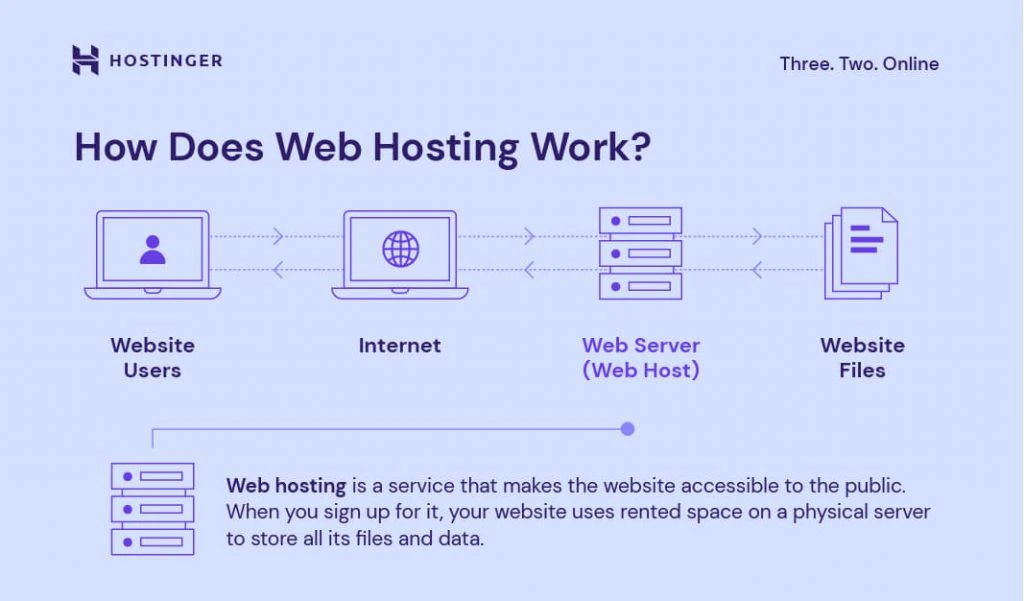
Credit: www.hostinger.com
Managing Image Links
Images need a direct URL to be shared. The URL acts like an address. This address points to where the image lives online. Copy the image URL to share it. Always check the link is correct. Broken links mean the image won’t appear. People click the link to see your image. It must work correctly. If not, users get confused.
Images can be added to websites using HTML code. This code helps the image appear on your page. Use the tag for this. The tag links the image to your site. Make sure to use the correct image path. The image path is the URL. Place the
tag where you want the image. Users see the image if the link works. Always test to ensure the image shows up.
Ensuring Image Security
Privacy settings are important for image safety. Choose who can see your images. Use password protection for extra safety. Some websites offer private albums. Only share links with trusted people. Keep your personal images safe. Update settings often to protect them.
Watermark your images to show ownership. This helps stop stealing. Add copyright notices on your website. This warns others not to use them. Use low-resolution images online. They are less attractive to steal. Tools like reverse image search help find stolen images. Report them if needed. Protect your hard work.

Credit: www.geeksforgeeks.org
Troubleshooting Common Issues
Hosting an image on the web often faces issues like incorrect file formats or broken URLs. Ensure the image file is supported and links are complete. Using reliable hosting platforms can help minimize these common problems.
Broken Links
Broken links make images not show up. Check the image URL carefully. Ensure it is typed correctly. A small mistake in URL breaks the link. Double-check the file name and extension. It must match exactly.
Website paths may also cause issues. Make sure the path is correct. Paths can be case-sensitive on some servers. Use the right directory structure.
Resolution Problems
Low resolution images look blurry. Use high-quality images for clarity. Check the image size settings on the web page. Width and height should match the image’s actual size.
Resizing images too much causes quality loss. Use a good image editor. Maintain the original aspect ratio. This keeps the image looking good.
Exploring Advanced Features
Analytics help you see how images perform online. You can track how many people view them. This helps in understanding what people like. Some tools show where viewers come from. This is called geolocation data. It is useful for businesses. It shows if ads work or not. Tracking helps improve your strategy. You can make better decisions with data. Use these tools to grow your image reach.
A Content Management System (CMS) helps you manage images easily. It stores images and lets you edit them. You can add tags and descriptions. This makes images easy to find. Popular CMS platforms include WordPress and Joomla. They have plugins to help with image hosting. Integration with CMS saves time. It simplifies work by keeping everything in one place.
Frequently Asked Questions
How Do I Host An Image Online?
Upload your image to platforms like Imgur, Google Photos, or Dropbox. Register an account if needed. Obtain the shared link provided by the platform. Ensure the link is publicly accessible for sharing. Use this link to embed or share the image online.
How To Make A Url For An Image?
Upload the image to a hosting service, like Imgur or Google Drive. Copy the generated URL link for sharing. Ensure the URL is public and accessible. This allows others to view your image online effortlessly.
How Do I Publish An Image To The Web?
Upload your image to a web hosting service or website. Choose a platform like WordPress, Flickr, or Imgur. Use the platform’s upload feature to publish it. Ensure the image is optimized for web use by compressing it. Share the URL of the image to make it accessible online.
How Do You Display An Image On A Web Page?
Use the `` tag in HTML to display an image on a web page. Specify the image’s source using the `src` attribute. Include `alt` text for accessibility. Example: `
 `. Ensure the image file is accessible from the provided path.
Conclusion
Hosting images online is simple and straightforward. Choose the right platform. Ensure your image settings are correct. Uploading is quick and easy. Share your images instantly. Web hosting offers great accessibility. Your images are available worldwide. Remember to check privacy settings.
Keep your files organized. Explore different formats for better quality. Hosting images helps with sharing and storage. Images enhance your web presence. They make your content more engaging. Start hosting today and enjoy easy sharing. A little effort goes a long way.
Now you know how to host an image on the web.


