
Have you ever wondered how to host your own web service on a web server? If you’re looking to share your digital creations with the world, understanding the process of web hosting is crucial.
Imagine having full control over your web service, where you can customize and manage it according to your needs. You’ll discover simple steps to set up your web service, making it accessible to users worldwide. Whether you’re a beginner or someone with a bit of tech know-how, you’ll find the insights you need to make your web service live effortlessly.
Unlock the potential of your ideas and get ready to delve into the world of web hosting, where you hold the power to share your vision. Keep reading to learn how you can take the first steps toward becoming a web hosting pro!
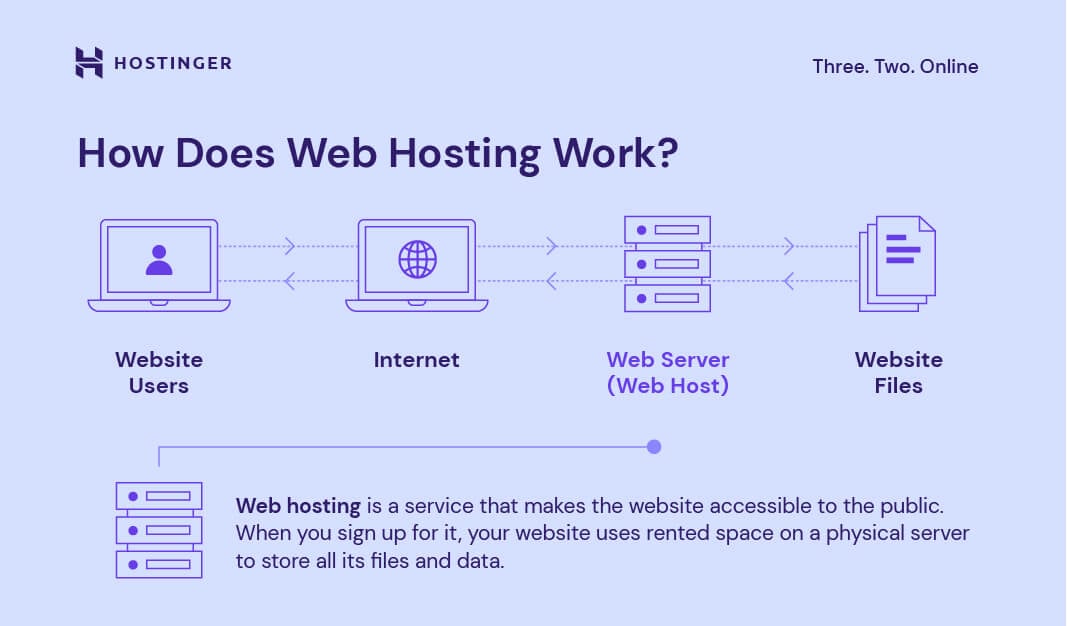
Credit: www.hostinger.com
Choosing A Web Server
Apache and Nginx are popular web servers. Apache is older and widely used. Nginx is newer and handles high traffic well. Apache is easy to set up. Nginx is fast and uses less memory. Choose based on your needs.
Servers need enough RAM and CPU power. More users need more resources. Storage space is also important. Consider your data needs. Both Apache and Nginx can work on most systems. Check your server’s compatibility before starting.
Setting Up The Environment
The right operating system is crucial for hosting. Some use Windows. Others prefer Linux. Both have pros and cons. Linux is open-source. This means it’s free. Windows offers support. It’s user-friendly. Choose the one that fits your needs best.
Installing software is a must. Web servers need special programs. Apache and Nginx are popular choices. They help serve your web pages. Databases are also needed. MySQL and PostgreSQL store data. Make sure to install them. They work together to host your service.
Configuring The Web Server
Organize your files in a clear way. Use folders for different files. HTML files go in one folder. CSS files in another. This makes it easy to find things. Name folders clearly. Like “images” for pictures. Or “scripts” for code. Keep it tidy. It helps the server work well.
Virtual hosts let one server handle many sites. Each site needs its own rules. Create a new file for each site. Tell the server where the site’s files are. Add the site’s name in the file. This lets the server know which site to show. It’s like having many houses on one street. Each house has its own number.
Security is very important. Make sure all data is safe. Use SSL certificates. They keep data private. Check the server’s settings. Only allow trusted people to access the server. Update the server often. This keeps it safe from threats. Use strong passwords too. Never share them.

Credit: en.wikipedia.org
Deploying The Web Service
Hosting a web service involves setting up a server to make your application accessible online. Begin by selecting a reliable web server platform. Upload your service files and configure the server settings to handle incoming requests efficiently.
Uploading Files
First, put your files on the server. Use an FTP client for easy transfer. Check the file paths. Ensure the correct directory is selected. Double-check the file names. This avoids errors.
Database Integration
Connect your web service to a database. Use secure login credentials. Choose the right database type for your needs. Set up tables and fields. Make sure they match your web service requirements. Test the connection. Fix any issues found.
Testing The Deployment
After setup, test the deployment. Run the web service. Check all functions. Look for errors or bugs. Test on different browsers and devices. Ensure everything works smoothly. Make changes if needed.
Managing Domains And Dns
Choosing a domain name is important. It should be easy to remember. Many websites help you buy a domain. They are called domain registrars. After buying, the domain is yours. But you must renew it every year. Prices can vary, so check before buying. Always make sure your details are correct when registering.
DNS records help computers find your website. They act like a map. You need to set them up for your domain. Most registrars offer tools for this. Common records are A records and CNAME records. A records point to your web server’s IP address. CNAME records link to another domain. Check settings to ensure your site works well.
Ensuring Security
SSL/TLS Certificates keep your data safe. They encrypt the information. This means others can’t read it. Websites need these certificates. They help users trust the site. Browsers show a lock symbol when it’s secure. Always use SSL/TLS for your web service. It protects user data and privacy.
Firewalls are like guards for your server. They block harmful traffic. Only safe data can pass through. Set up a firewall for your web server. It stops hackers and bad software. Security protocols are rules for data safety. They guide how data should be handled. Always follow these protocols. They keep your web service safe and secure.
Monitoring And Maintenance
Ensuring smooth operation of your hosted web service requires regular monitoring and maintenance. Check server performance frequently to prevent issues. Address security vulnerabilities quickly to protect data integrity.
Performance Monitoring Tools
Use tools to check how your server is working. They help you see if the server is slow or fast. Tools like New Relic and Datadog show important data. This data helps fix problems quickly. Fast servers make happy users. Happy users come back often.
Regular Backups
Keep a copy of your data. Backups save you from losing important files. Use a schedule to make backups often. Store them in a safe place. This keeps your data safe if something goes wrong. Always check if the backups are working well.
Updating And Patching
Updates keep your server safe and fast. Install patches to fix bugs. Bugs can slow down your server. Regular updates protect against hackers. Always check for new updates. Update your server when new patches come out.
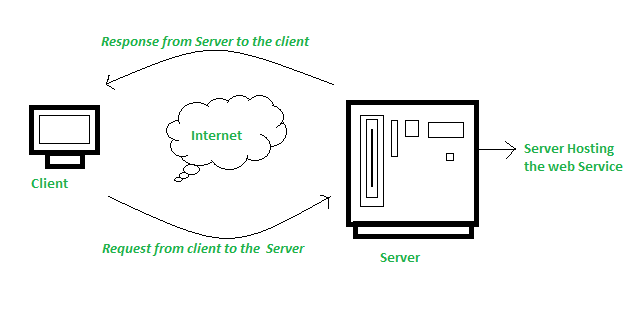
Credit: www.geeksforgeeks.org
Troubleshooting Common Issues
Setting up a web service on a server can face common issues like configuration errors or network problems. Ensure correct server settings and check firewall rules to troubleshoot effectively. Regular testing and monitoring can help maintain seamless web service hosting.
Error Logs Analysis
Read error logs for clues. Logs help find problems. Errors have codes and messages. Codes tell you what went wrong. Messages give more detail. Check logs often. It helps fix issues faster. Logs show small errors before they grow. Keep logs safe. They are very important.
Connectivity Problems
Check if the server is online. Use ping to test. Ping sends a small packet to the server. If it comes back, the server is online. Check cables and connections. They should be secure. Sometimes, a firewall blocks access. Adjust settings if needed.
Resource Limitations
Servers need enough resources. CPU and memory are important. Too many users can cause slowdowns. Upgrade resources if needed. Monitor usage regularly. Watch for spikes in demand. Plan for more users as your service grows.
Frequently Asked Questions
How To Host A Website On Iis?
Install IIS via Windows Features. Open IIS Manager. Add a new site using the “Add Website” option. Set a physical path and assign a unique port or domain. Configure bindings and application pool settings as needed. Start the website in IIS Manager.
How To Deploy A Web Application On A Server?
Deploy a web application by uploading files via FTP or SSH. Configure server settings and databases. Install dependencies using package managers. Set environment variables for security. Restart the server to apply changes.
How To Deploy A Web Service On An Iis Server?
Deploy a web service on IIS by installing IIS Manager. Create an application pool, then add your web service. Configure bindings and authentication settings, then start the application pool. Ensure proper firewall settings and test the service to confirm deployment success.
How Much Does It Cost To Host A Web Service?
Web hosting costs vary widely, starting from $3 to $300+ monthly. It depends on service type, provider, and features. Shared hosting is cheaper, while dedicated and VPS hosting costs more. Assess your specific needs to choose the right plan.
Conclusion
Successfully hosting a web service is easier than it seems. Follow the steps carefully. Ensure your server meets the requirements. Test your service to confirm it works. Regular updates keep your service running smoothly. Security measures protect your data and users.
Troubleshooting skills help solve unexpected issues quickly. Hosting your web service can be rewarding. It connects you with users worldwide. Share your knowledge with others. Keep learning and improving your skills. A well-hosted web service boosts your online presence. Enjoy the process and the results.
Your web journey begins now.


