
Have you ever wondered how you can make your web service accessible to users worldwide? Hosting a web service on the internet can seem daunting at first, but with the right guidance, you’ll be able to do it smoothly.
Imagine having your web service up and running, attracting visitors from all corners of the globe. Sounds exciting, right? You’ll discover simple steps to get your service online and ensure it’s available to anyone, anytime. Whether you’re a developer looking to share your latest creation or a business owner aiming to boost your online presence, this guide is designed for you.
Ready to dive in and learn how to host your web service effectively? Let’s get started and unlock the potential of your digital presence!
Choosing A Web Service Platform
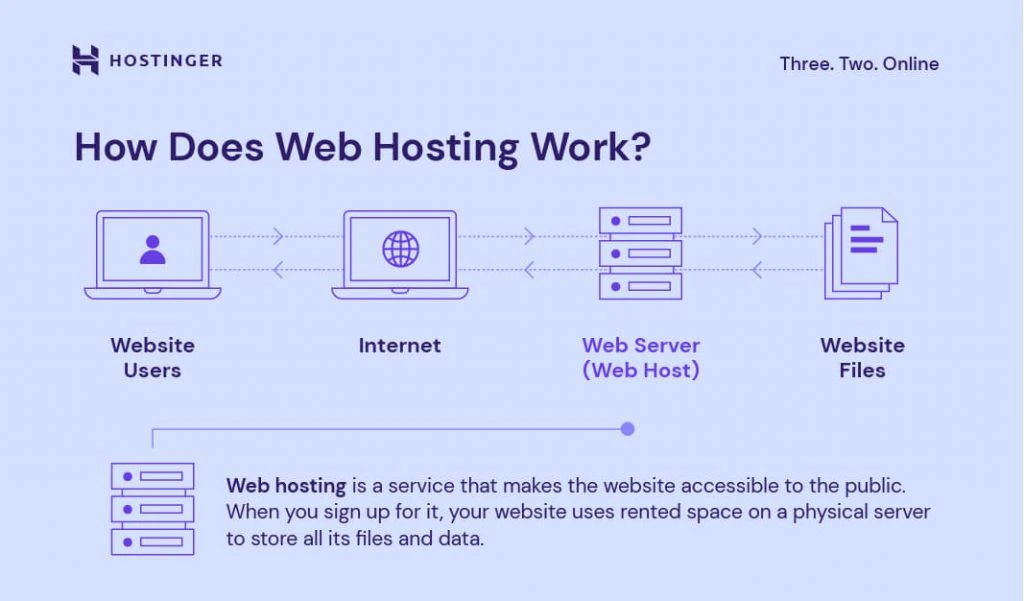
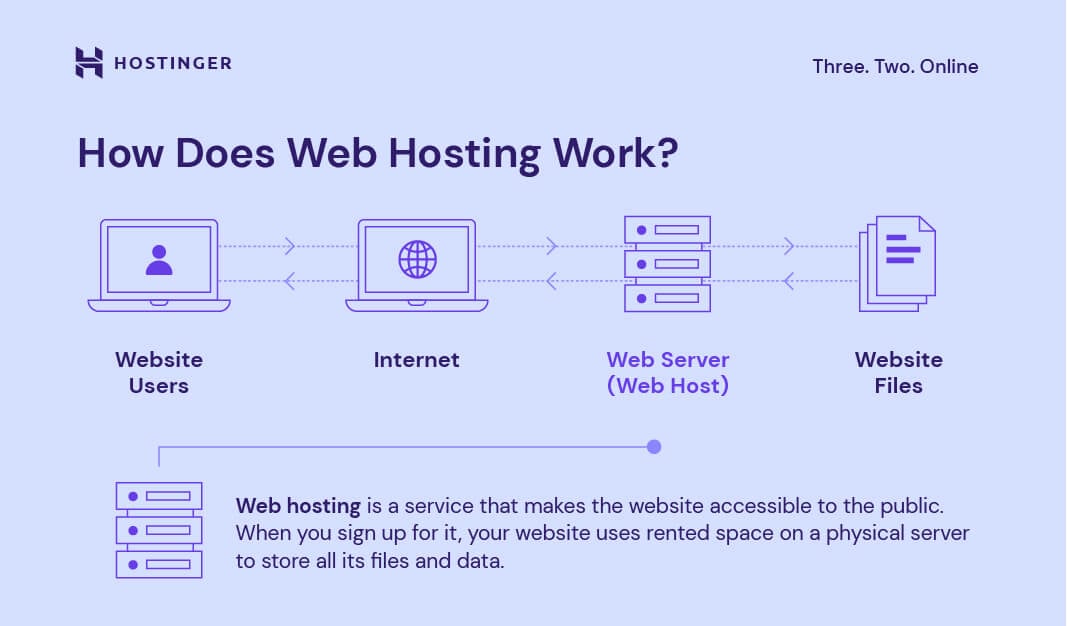
Cloud providers offer easy ways to host web services. Popular choices are AWS, Google Cloud, and Microsoft Azure. They provide many tools for hosting. You can scale up easily. They handle a lot of the hard work. This helps keep your site running smoothly. Many businesses use cloud providers. It is safe and fast.
Self-hosting means you use your own server. You have full control over it. This option might cost less. But you need to manage the server yourself. It requires more technical skills. Common software for self-hosting includes Apache and Nginx. You need to ensure your server is secure. Self-hosting can be a good learning experience.
Credit: www.hostinger.com
Setting Up A Domain Name
A domain name is your website’s address. First, choose a unique name. Make sure it’s easy to remember. Then, visit a domain registrar. This is where you can buy your domain. Popular registrars include GoDaddy and Namecheap. Check if your domain name is available. If it is, follow the steps to register it. Remember, you might need to pay a yearly fee.
DNS stands for Domain Name System. It links your domain name to an IP address. This is how computers find your website. After registering, access your DNS settings. Here, you can add or edit records. Common records include A records and CNAME records. These direct traffic to your server. Ensure you enter correct details. This helps users reach your site without issues.
Configuring A Web Server
Choosing the right web server is important. Apache and Nginx are popular options. They are reliable and easy to use. Apache is known for flexibility. Nginx is fast and consumes less memory. Both have good community support. You can find help online easily. Select one based on your needs. Make sure it supports your applications. Look for features that match your web service requirements. Check compatibility with your operating system. Ensure it has security features. Good security is crucial for any web server. Consider ease of use and documentation. Proper documentation helps in troubleshooting. Choose a server that is widely used. It makes integration simpler.
Installation is the next step. Follow the server’s guide carefully. Download the software from the official site. Avoid third-party sources. They may not be safe. Install it on your computer or server. Follow instructions on the screen. Setup involves configuring files. Adjust settings like port numbers. Set up security options. Make sure it runs smoothly. Test the server to check if it works. Open a browser and type the server’s address. You should see a welcome page. If you see errors, fix them. Check the server’s logs for issues. Regular checks ensure everything works fine.
Deploying The Web Service
First, gather all your web service files. These files need a home on the server. Make sure your files are in the right folders. This helps keep everything organized. Once ready, use an FTP client like FileZilla. Connect to your server with login details. Drag and drop files to the server area. Check all files uploaded correctly. Double-check to avoid missing files.
Your web service may need a database to store data. Use MySQL or similar software for this. First, create a new database on the server. Name it something easy to remember. Next, set up user access for security. Link the database to your web service. Update your service’s config files with database details. Test the connection to ensure it works. Everything should be in sync.
Ensuring Security
SSL certificates are important. They encrypt data between server and client. This keeps information safe. Hackers can’t steal encrypted data. Always use SSL for websites. It builds trust with users. Browsers show a padlock icon with SSL.
Firewall settings protect your server. Firewalls block unwanted access. They stop hackers from entering. Set up rules for your firewall. Only allow trusted traffic. Regularly update your firewall. This keeps security strong. Firewalls are like guards. They watch over your server.
Credit: www.hostinger.com
Monitoring And Maintenance
Ensuring your web service runs smoothly requires regular monitoring and maintenance. Check server performance often to spot issues early. Update software and security patches to keep data safe and secure.
Performance Tracking
Track performance to keep your web service running well. Use simple tools to check speed and uptime. Slow websites make users unhappy. If your site is slow, find out why. Maybe you have too many users. Or maybe your server is not strong enough. Use data to fix problems fast. Happy users come back to your site. Regular checks help you stay ahead.
Regular Updates
Update your software to keep it secure. Hackers like old software. They find ways in through security holes. New updates fix these holes. Always use the latest version. Backup data before you update. This keeps your work safe. If something breaks, you can go back. Remember, a safe site is a good site.
Scaling The Web Service
Load balancing distributes traffic evenly. This helps servers handle more requests. Without it, servers can slow down. Imagine many cars on one road. Traffic jams happen. Load balancing adds more roads. It keeps cars moving smoothly. This helps web services stay fast. They can handle more users. Big companies use it. Small businesses can use it too. It’s helpful for websites.
Cloud scaling lets web services grow. It adds more resources when needed. Like adding more seats to a bus. More people can travel without delay. Web services can handle more visitors. Cloud providers offer scaling tools. AWS and Azure are popular choices. They make scaling easier. No need for extra hardware. Just use the cloud. It’s flexible and fast. Many websites depend on it.

Credit: learn.microsoft.com
Frequently Asked Questions
How To Host A Website On The Internet?
To host a website, choose a reliable web hosting provider. Register a domain name, then upload your website files using an FTP client. Ensure your hosting plan supports your website’s needs. Finally, configure DNS settings to point your domain to the hosting server.
How To Host A Webservice?
Choose a reliable hosting provider. Set up a server environment. Deploy your webservice code. Configure DNS settings. Ensure security with SSL certificates.
How Much Does It Cost To Host A Web Service?
The cost to host a web service varies from $3 to $500 per month. Factors like server type, bandwidth, and support impact pricing. Shared hosting is cheaper, while dedicated servers cost more. Consider your needs before choosing a plan.
Can I Do My Own Web Hosting?
Yes, you can host your own website. You’ll need a server, technical skills, and reliable internet connection. Ensure your server is secure and regularly maintained. Consider costs and time investment. It’s often easier to use commercial hosting services for convenience and support.
Conclusion
Hosting a web service on the Internet is now simpler. With clear steps, you can set it up easily. Just follow each guideline carefully. Secure your service for protection. Always keep it updated for best performance. Explore hosting options that suit your needs.
Remember, user experience matters. Test your service frequently. This ensures smooth operation. Seek help if needed. Many online resources offer support. Keep learning to improve your skills. Hosting can be rewarding and fun. Enjoy the journey of connecting your service to the world.


