
Are you ready to turn your PHP web project into a live website? Hosting a PHP web application might sound daunting, but it’s easier than you think.
Imagine your site, accessible to anyone, anywhere, at any time. This guide will show you exactly how to make that happen. You’ll learn the steps to choose the right hosting service, set up your server, and get your PHP files online.
By the end of this article, you’ll be equipped with all the knowledge you need to launch your website confidently. Ready to dive in and make your PHP project a reality? Let’s get started!

Credit: www.youtube.com
Choosing The Right Hosting Provider
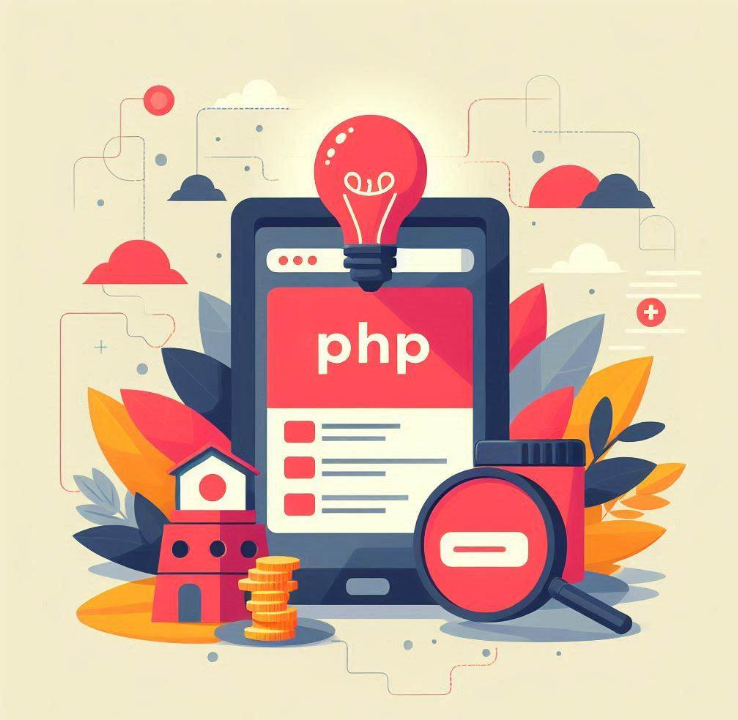
Shared hosting means many websites on one server. It’s usually cheaper. But, traffic spikes can slow your site. Dedicated hosting gives your site its own server. It’s more expensive. But, it offers better performance and security. Choose based on your budget and needs.
Good hosting should have 99.9% uptime. This means your site is rarely down. Check reviews for speed and performance. Fast websites keep visitors happy. Choose a provider with strong servers.
24/7 customer support is vital. Issues can happen anytime. Look for live chat and phone support. Good hosts offer guides and tutorials. These help you learn and fix problems. A strong support team makes hosting easier.
Credit: tiiny.host
Setting Up Your Domain
First, pick a unique domain name. This name should match your website. Check availability on domain registration sites. Use websites like GoDaddy or Namecheap. They help you find the right domain. Register your domain once you find it. This makes it yours. Keep your login details safe. You will need them later.
After registration, set up your DNS settings. DNS stands for Domain Name System. It connects your domain to your web host. Log in to your domain provider. Find the DNS settings option. Enter the IP address of your host. Save your changes. This step is crucial. It makes your website visible to others. Allow some time for changes to update.
Preparing The Server Environment
First, download the PHP installer. It’s easy and quick. Run the installer on your computer. Follow the instructions on the screen. Choose the right version for your server. After installation, check if PHP works. Open the command line and type php -v. You should see the version number.
A database stores your web data. Install MySQL or MariaDB for PHP sites. Download the setup file from their site. Run the setup and choose default settings. Create a new database for your website. Keep the database name simple. Remember the username and password.
Apache or Nginx are good choices. Install the software on your server. Open the software’s config file. Set the server name to your site’s domain. Add the path to your PHP files. Restart the server to apply changes. Check if your server runs smoothly.
Uploading Your Php Files
FTP clients help in transferring files. They are easy to use. FileZilla is popular. Connect it to your server. Drag your PHP files into the server folder. Wait till the upload is complete. Check all files are uploaded. It’s a simple process.
File permissions are important. They keep your site safe. Use chmod to set permissions. Only allow what is needed. Read and write permissions are key. Don’t give too much access. Protect your PHP files. Keep hackers away.
Testing Your Website
PHP websites can have common bugs. Sometimes pages don’t load. Sometimes forms don’t work. Check your error logs. They can show you what went wrong. Make sure your code syntax is correct. A missing semicolon can break things. Update your PHP version. New versions fix old bugs. Use tools like Xdebug. They help find errors fast. Test each feature. One small change can cause problems. Backup your site often. This prevents data loss.
Websites need to be fast. Slow websites lose visitors. Compress your images. Smaller files load quicker. Use caching. It saves data so pages load fast. Check your server speed. Fast servers mean quick loading times. Optimize your database. Remove old data. Use CDNs for speed. They deliver content quickly. Minimize CSS and JavaScript. Less code means faster sites. Test your site speed regularly. Even small changes can slow it down.
Maintaining Your Website
Keeping your website up-to-date is very important. New updates often have security fixes. Without updates, websites become unsafe. Install updates for your PHP, plugins, and themes regularly. Backups are also necessary. They save copies of your website. If something goes wrong, you can restore it. Use tools or plugins for automatic backups. Schedule them often. This way, you don’t have to remember.
Websites should load quickly. Slow websites lose visitors. Use tools to check website speed. Google PageSpeed Insights is one such tool. It tells how fast your site is. It also gives tips to make it faster. Always aim for faster load times. Also, check your site’s uptime. Use monitoring tools for this. They alert you if your site is down. This helps in fixing issues quickly.
Credit: www.cloudways.com
Frequently Asked Questions
How To Host A Php Website?
To host a PHP website, choose a reliable hosting provider supporting PHP. Upload your website files using FTP. Create a MySQL database if needed. Configure the server settings and domain. Test the website to ensure it functions correctly.
Can I Host A Php Website For Free?
Yes, you can host a PHP website for free. Numerous platforms offer free PHP hosting plans. Some popular options include InfinityFree, 000webhost, and AwardSpace. These services typically provide limited features and resources. Ideal for small projects or testing, they may not be suitable for high-traffic websites.
Which Hosting Is Best For A Php Website?
Choose SiteGround or Bluehost for reliable PHP hosting. Both offer excellent support, speed, and compatibility. Consider pricing and features. Ensure the host supports PHP versions and provides easy upgrades. Prioritize security and scalability for future growth. Compare user reviews for informed decisions.
How To Run Php In A Web Server?
Install a web server like Apache or Nginx. Ensure PHP is installed and configured. Place your PHP files in the server’s document root. Access them via a browser using the server’s URL, ensuring PHP syntax is correct. Use PHP tags to write your code within the files.
Conclusion
Hosting a PHP web requires careful planning and execution. Start with choosing a reliable hosting service. Ensure it supports PHP. Install necessary software like Apache or Nginx. Set up your database correctly. Configure PHP settings for optimal performance. Test your site thoroughly before going live.
Regular updates and backups are crucial for security. Keep learning and adapting as technology evolves. Follow these steps, and you’ll host a successful PHP web. Your site will perform well and serve users effectively. Enjoy the journey of web hosting!


