
You might be wondering how hackers break into WordPress sites and what makes some websites easy targets. Understanding how to hack WordPress is not about causing harm—it’s about learning the weak spots before someone else finds them.
If you want to protect your site and keep your data safe, you need to know exactly how hackers think and act. You will discover the common methods used to hack WordPress, why vulnerabilities exist, and most importantly, how you can defend your website from attacks.
Keep reading, because your site’s security depends on what you know next.

Credit: www.acunetix.com
Ethical Hacking Basics
Understanding the basics of ethical hacking is essential for anyone interested in securing WordPress sites. Ethical hacking helps identify weaknesses before malicious hackers exploit them. It involves testing systems legally and safely to improve security measures. This section covers the key concepts to get started with ethical hacking for WordPress.
What Is Ethical Hacking
Ethical hacking means testing computer systems to find security flaws. It uses the same methods as hackers but with permission. The goal is to fix weaknesses and protect data. Ethical hackers follow rules and report all findings to site owners. They help make WordPress sites stronger against attacks.
Legal Considerations
Ethical hacking must follow legal guidelines to avoid trouble. Always get written permission before testing a WordPress site. Unauthorized hacking is illegal and can lead to serious penalties. Know the laws in your country about cybersecurity. Staying within legal limits protects you and the site owner.
Setting Up A Safe Testing Environment
Test WordPress security in a controlled and safe setting. Use a local server or a separate test site to avoid damage. Never hack live sites without explicit permission. Create backups before starting any tests. This prevents data loss and keeps the main site safe.

Credit: thehackernews.com
WordPress Architecture
Understanding WordPress architecture is key to grasping how hackers exploit this platform. WordPress is built with several parts working together. Each part plays a role in how the site functions and how it can be targeted.
This section breaks down the main components of WordPress. Knowing these helps identify where weaknesses may lie. Awareness of these elements supports better security practices.
Core Components
The core components are the foundation of every WordPress site. They include the WordPress core files, the database, and the admin dashboard. The core files manage site functions like user management and content display.
The database stores all the site’s data, such as posts, pages, and user info. The admin dashboard controls site settings and content. These components must be secure to protect the entire site.
Themes And Plugins
Themes control the site’s appearance and layout. Plugins add extra features and functionality. Both are created by third-party developers and can vary in quality.
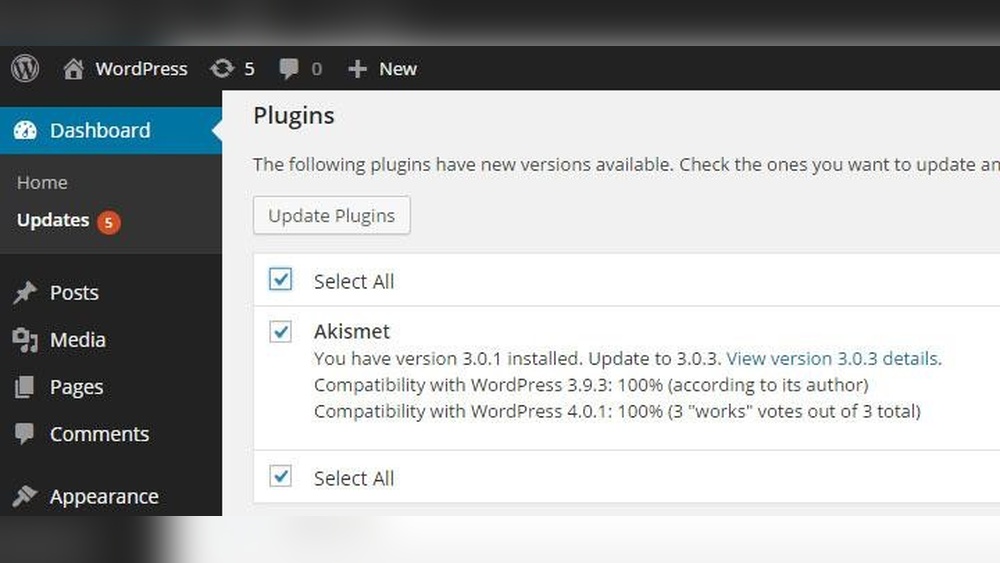
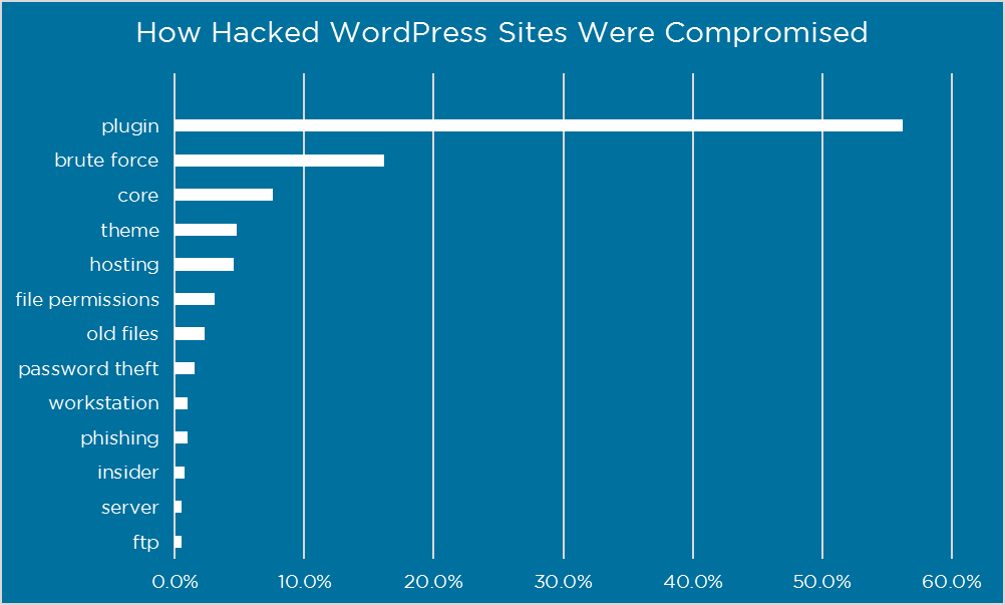
Vulnerabilities often exist in themes and plugins. Hackers exploit these to gain access or inject malicious code. Keeping themes and plugins updated reduces the risk of attacks.
Common Entry Points For Attacks
Attackers look for weaknesses in the login page, outdated plugins, and themes. They may use brute force to guess passwords or exploit known bugs.
Other entry points include unsecured file uploads and weak database security. Identifying these helps prevent unauthorized access and data theft. Regular security checks are essential.
Common WordPress Vulnerabilities
WordPress is a popular platform but faces many security risks. Understanding common vulnerabilities helps protect sites. Hackers exploit these weaknesses to gain access or cause damage.
Many attacks target flaws in plugins, themes, or site settings. Simple mistakes like weak passwords or outdated software open doors for intruders. Awareness of these issues is key to staying safe.
Outdated Plugins And Themes
Plugins and themes add features but can have security holes. Developers release updates to fix bugs and vulnerabilities. Running old versions leaves your site open to attacks. Always keep these tools updated to reduce risks.
Weak Passwords And Brute Force Attacks
Weak passwords are easy to guess. Hackers use automated tools to try many password combinations. This method, called brute force, can crack simple passwords quickly. Use strong, unique passwords and limit login attempts.
Sql Injection And Cross-site Scripting
SQL injection lets attackers insert harmful code into your database queries. This can expose or change your data. Cross-site scripting (XSS) injects malicious scripts into web pages. Both can harm users and damage your site’s reputation.
File Inclusion And Upload Flaws
File inclusion flaws allow hackers to run harmful files on your server. Upload vulnerabilities let attackers add dangerous files disguised as safe ones. These flaws can give full control of your website to hackers.
Tools For WordPress Hacking
Tools for WordPress hacking play a key role in identifying and exploiting weaknesses. They help hackers find security gaps quickly. Understanding these tools shows how attackers operate. This knowledge helps improve site security.
Vulnerability Scanners
Vulnerability scanners search WordPress sites for weak spots. They check themes, plugins, and core files. These tools report outdated software and known security flaws. Scanners automate the discovery process, saving time. Examples include WPScan and Nikto.
Brute Force Tools
Brute force tools try many username and password combinations fast. They aim to break into WordPress admin accounts. These tools use lists of common passwords or leaked credentials. Success depends on weak passwords or no login limits. Examples are Hydra and Burp Suite.
Exploitation Frameworks
Exploitation frameworks help hackers run attacks after finding vulnerabilities. They include pre-built scripts for different exploits. These frameworks automate complex hacking steps. Metasploit is a popular example. They make attacks easier and faster.
Techniques To Identify Weaknesses
Identifying weaknesses in a WordPress site is the first step to understanding its security gaps. This process helps uncover points that attackers might exploit. Different methods reveal various types of vulnerabilities. Combining these techniques gives a clearer picture of site safety. Below are key methods to find those weak spots effectively.
Manual Code Review
Manual code review means carefully reading through WordPress files. This includes themes, plugins, and core code. Look for errors like unsanitized inputs or outdated functions. Check for hidden backdoors or suspicious code snippets. This method requires patience and a basic understanding of programming. It helps catch issues that automated tools might miss.
Automated Scanning
Automated scanning uses software to detect vulnerabilities fast. Tools scan the site for known security issues. They check for outdated plugins, weak passwords, and malware. These scanners provide detailed reports with fix suggestions. Running scans regularly keeps the site safe from new threats. It is a quick way to spot common problems.
Analyzing Plugin Security
Plugins often cause security risks if poorly coded. Analyze each plugin’s reputation and update history. Check user reviews for reports of security flaws. Verify if the plugin follows WordPress coding standards. Remove unused or unsupported plugins immediately. Secure plugins reduce the chance of a site breach.
Exploiting Vulnerabilities Ethically
Exploiting vulnerabilities ethically in WordPress means finding security gaps without harm. This practice helps improve site defenses and protect data. Ethical hacking involves permission, clear goals, and responsible reporting. It is a key part of website security testing.
Ethical hackers simulate attacks to uncover weak points. They use controlled methods to avoid damage. Learning how vulnerabilities work guides better protection. This knowledge benefits developers and site owners alike.
Gaining Limited Access
Start by identifying weak entry points in WordPress. These can include outdated plugins or weak passwords. Gaining limited access means entering the system with minimal rights. This step tests the site’s initial defenses. It helps understand what attackers see first.
Privilege Escalation Methods
Privilege escalation means moving from limited to higher access levels. Hackers exploit flaws in code or configuration to do this. Common methods include exploiting insecure file permissions or vulnerable plugins. Ethical hackers use these techniques to find critical risks. Preventing escalation is crucial for site security.
Maintaining Access For Testing
Maintaining access allows continued testing without re-exploiting the system. Ethical hackers create backdoors or use session hijacking carefully. This step helps verify if defenses can detect persistent threats. It also checks how long an intruder could stay unnoticed. Responsible testers remove all access points after evaluation.
Mitigating Risks And Hardening
Mitigating risks and hardening your WordPress site is crucial to avoid hacks. Simple steps can improve security and protect your data. Focus on key areas that keep your site safe and stable. Regular care helps prevent unauthorized access and damage.
Updating And Patching
Keep WordPress core, themes, and plugins updated. Updates fix security holes and bugs. Ignoring updates leaves your site open to attacks. Set automatic updates or check regularly. Always use the latest stable versions to stay secure.
Strong Authentication Measures
Use strong passwords for all user accounts. Enable two-factor authentication (2FA) to add an extra security layer. Limit login attempts to block brute force attacks. Avoid default usernames like “admin” to reduce risks. Regularly review user roles and permissions.
Securing Plugins And Themes
Install plugins and themes only from trusted sources. Remove unused or outdated plugins and themes. Check reviews and update frequency before installation. Poorly coded plugins can create vulnerabilities. Scan your site for malware and suspicious code often.
Monitoring And Logging
Enable logging to track user activity and errors. Monitor login attempts and file changes closely. Use security plugins to alert you about suspicious behavior. Regular logs help detect attacks early. Quick response minimizes damage and downtime.
Responding To A WordPress Breach
Responding quickly to a WordPress breach helps limit damage and restore your site. A clear plan guides you through detecting, cleaning, and recovering. Acting fast protects your data and your visitors.
Detecting Signs Of Compromise
Look for unusual activity like strange login attempts or unknown users. Check for unexpected changes in files or new plugins you did not install. Slow site speed and strange error messages can also indicate a breach. Use security plugins to scan for malware regularly.
Removing Malware And Backdoors
Identify infected files and delete them immediately. Replace core WordPress files with fresh copies from the official source. Search for hidden backdoors hackers use to regain access. Change all passwords, including hosting and database credentials.
Restoring From Backups
Use a clean backup made before the breach occurred. Verify the backup does not contain malware or vulnerabilities. Restore your site files and database carefully. Test the site after restoration to ensure it works correctly.
Post-incident Analysis
Review how the breach happened to prevent future attacks. Update all themes, plugins, and WordPress versions to the latest. Remove unused or outdated plugins that increase risk. Monitor your site closely for any new suspicious activity.
Best Practices For Long-term Security
Maintaining strong security on your WordPress site demands ongoing effort. Best practices for long-term security protect your site from evolving threats. Consistent actions reduce risks and keep your data safe.
Regular Security Audits
Security audits identify weak points in your WordPress setup. Scan your site often to find malware or vulnerabilities. Use tools to review file integrity and check user activity logs. Fix issues as soon as they appear to avoid bigger problems.
User Education
Educate all users about safe practices. Teach them to use strong passwords and avoid suspicious links. Limit user permissions to only what is necessary. Awareness reduces the chance of accidental security breaches.
Using Security Plugins Wisely
Select security plugins that fit your site’s needs. Avoid installing too many plugins to keep your site fast. Keep all plugins updated to patch known vulnerabilities. Configure plugins carefully to avoid conflicts and false alerts.
Backup Strategies
Create regular backups of your entire WordPress site. Store backups in multiple locations to prevent data loss. Test backups to ensure they work before you need them. Quick recovery saves time and protects your content.
Credit: www.wordfence.com
Frequently Asked Questions
What Are Common Ways Hackers Exploit WordPress?
Hackers exploit outdated plugins, weak passwords, and vulnerable themes. They also use brute force attacks and phishing scams to gain access.
How Can I Protect My WordPress Site From Hacks?
Keep WordPress, themes, and plugins updated. Use strong passwords, enable two-factor authentication, and install security plugins to monitor threats.
What Are Signs My WordPress Site Is Hacked?
Look for slow loading times, unauthorized content, sudden traffic spikes, and strange login activity. Also check for changes in files and settings.
Can Vulnerable Plugins Lead To WordPress Hacks?
Yes, outdated or poorly coded plugins often contain security flaws. Hackers exploit these to inject malware or gain admin access.
Conclusion
Understanding how WordPress hacks happen helps protect your site better. Stay alert to suspicious activities and keep your software updated. Use strong passwords and limit access to trusted users only. Regular backups can save your content from serious damage. Learning about common vulnerabilities reduces risks significantly.
Protecting your WordPress site takes effort, but it is worth it. Keep your website safe and running smoothly every day.


