
Are you ready to launch your website but feeling overwhelmed by the maze of web hosting options? You’re not alone.
Choosing the right web hosting service is crucial for your site’s performance, security, and growth. You might be wondering which hosting plan suits your needs or how to avoid common pitfalls that many fall into. In this guide, we’ll demystify the process and give you clear, actionable steps to secure a reliable web hosting service.
By the end, you’ll feel confident and empowered, knowing exactly what you need to do to make your website dreams a reality. Let’s dive in and discover how you can make the best choice for your online presence.
Types Of Web Hosting
Shared hosting is like a dorm room. Many websites share the same server. It’s cheap and good for small websites. But, it can be slow if one site uses too many resources.
VPS stands for Virtual Private Server. It’s like renting an apartment. You get more control and resources. It’s more expensive than shared hosting but also faster.
Dedicated hosting is like owning a house. You get a whole server just for your website. It’s fast and secure. But, it’s also the most expensive option.
Cloud hosting uses many servers to host your website. It’s flexible and scalable. If your site gets busy, it can handle it. You only pay for what you use.
Evaluating Your Needs
Traffic expectations are important for web hosting. Predict the number of visitors. A small site may get fewer visits. A large site may get many. Choose a hosting plan based on traffic size. Shared hosting is good for small sites. Bigger sites might need VPS or dedicated hosting.
Website type and size also matter. A blog may need less space. An online store needs more. Think about the type of your site. Plan for future growth. You might need more space later. Choose a hosting plan that fits now and later.
Technical requirements should not be ignored. Some sites need special software. Others need certain databases. Check these needs before choosing. Make sure the host supports them. Look for easy setup options. A good host will meet your technical needs.
Comparing Hosting Providers
Many hosting providers offer different pricing plans. Some are cheap, some are expensive. Always check what you get for the price. Some plans include extra features. Others may charge more. Choose a plan that fits your needs and budget. Don’t pay for things you don’t need.
Providers offer features like free domains and SSL certificates. These are important for security. Some give unlimited storage. Others limit how much data you can have. Look for add-ons that help your site. Useful tools can make your site better. Compare these before choosing.
Good support is important. Problems can happen anytime. Some providers have 24/7 support. Others may not. You might need help at night or on weekends. Live chat and phone support are best. Make sure you can reach them easily. Good support saves time and stress.
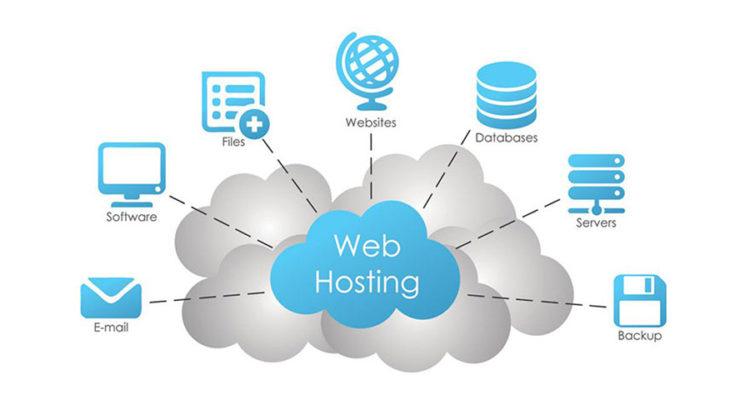
Credit: hostimul.com
Checking Reliability And Uptime
Uptime guarantees are a promise from hosting companies. They tell you how often your site will be up. Most companies offer 99.9% uptime. This means your site should be online almost all the time. It’s a key factor for website success. If a host offers less, be careful. Your site might be down a lot. This can be bad for your business. Always look for high uptime rates.
Performance metrics show how well a host works. They include speed and load time. Fast sites keep visitors happy. Slow sites can drive them away. Check reviews for performance insights. Some hosts share their metrics openly. This helps you make a good choice. Reliable performance is very important.
Server locations matter too. Servers close to your users load faster. This makes your site quicker. Check where the host’s servers are. Choose a host with servers near your audience. It helps with speed and reliability.
Security Features
SSL certificates keep your website safe. They protect data from hackers. Visitors feel secure when they see a padlock symbol. This means their information is safe. It stops data theft. Websites with SSL rank better on search engines. This is important for business sites.
DDoS protection stops attacks on your website. It keeps your site online. Many websites face these attacks. They can slow down or crash sites. Protection tools stop these threats quickly. Your site stays safe and fast. This is crucial for user trust.
Backups save copies of your website. If your site breaks, backups help. You can restore your site easily. Many hosting services offer daily backups. This is vital for data safety. Losing data can harm your business. Regular backups prevent data loss.
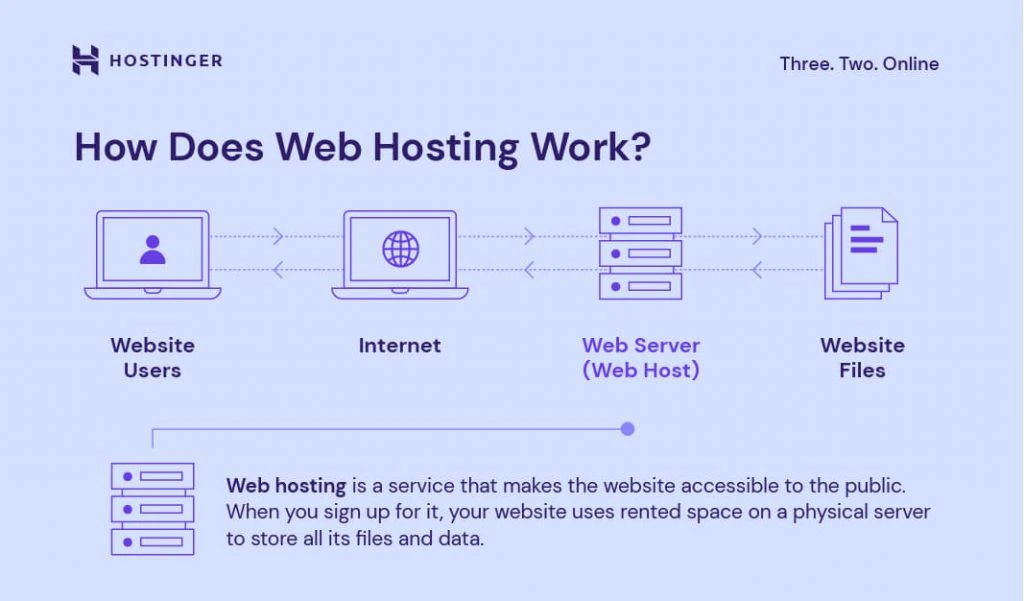
Credit: www.hostinger.com
Ease Of Use
Choosing the right control panel is key. cPanel is very popular. Many people find it easy. Plesk is another choice. It works well with Windows. Always pick what feels right for you.
Setup should be simple. Many hosts offer one-click installs. This saves a lot of time. Ask for help if needed. Some hosts have great support teams.
A good user interface is important. It should be simple and clear. You must find everything easily. Test the interface before you decide. Make sure it fits your needs.
Scalability Options
Flexible plans help your website grow. Choose from monthly or yearly options. Start small, pay less. As your site grows, upgrade your plan. No need to change hosts. Simple and easy to adjust. Ideal for new websites. Keep costs low at first.
With good hosts, you get more resources when needed. Extra storage and bandwidth for busy times. Handle more users without problems. Your site stays fast and reliable. No slowdowns during peak hours. Manage resources easily. Helps keep your site running smoothly.
Your website might grow quickly. Choose a host that supports future growth. Look for hosts with upgrade paths. Add more space and power as needed. Plan ahead for big changes. Keep your site successful as it expands. A good host adapts to your needs.
Reading User Reviews
A company’s reputation tells a lot. Good reviews mean happy users. Bad reviews warn about problems. Check if others like the service. This helps you decide.
People share their stories online. Some say services are fast and reliable. Others might face issues. Reading these stories helps understand real user feelings. It’s like listening to friends talk.
Numbers show how good a service is. High ratings mean users are pleased. Low ratings suggest problems. Feedback gives details. Read both to get a full picture.
Trying Before Buying
Exploring web hosting options often involves a trial period. This allows users to test features before committing. Ensuring satisfaction with speed, reliability, and support is key during this evaluation phase.
Free Trials
Many hosting services offer free trials to test their features. This helps you understand the service better. You can check how fast and reliable they are. Free trials usually last a few days or weeks. It’s a good way to see if the service fits your needs. Make sure to read the terms before signing up. Some trials need credit card details.
Money-back Guarantees
A money-back guarantee is a safe option. If you don’t like the service, you can get a refund. This is usually within 30 days of signing up. Read the guarantee policy carefully. Check which parts of the service are covered. Not all fees may be refundable. A money-back guarantee shows the provider trusts their service.
Demo Accounts
Demo accounts let you try the hosting service. You can explore all features without paying. Demos are often limited in time and features. They help you learn how the service works. Make sure to test the control panel and customer support. This will help you decide if the service is user-friendly.

Credit: www.predictiveanalyticstoday.com
Frequently Asked Questions
How Much Do Web Hosting Services Cost?
Web hosting costs vary from $3 to $300 monthly. Shared hosting is cheaper, while dedicated hosting is pricier. Prices depend on storage, bandwidth, and features. Compare plans for the best deal. Hosting providers often offer discounts for longer subscription periods.
How To Start A Web Hosting Service?
Research the market and choose a niche. Obtain necessary licenses and secure reliable server infrastructure. Partner with a data center for hosting needs. Develop a user-friendly website and billing system. Implement effective marketing strategies to attract customers. Provide excellent customer support to retain clients.
How Much Does It Cost To Host A Web Service?
Web hosting costs vary widely, starting at $3 per month for shared hosting. VPS hosting can range from $20 to $100 monthly. Dedicated servers cost between $80 and $300 monthly. Factors like bandwidth, storage, and additional services impact pricing. Compare providers to find the best deal for your needs.
Is There A Free Web Hosting Service?
Yes, free web hosting services exist. Popular options include WordPress. com, InfinityFree, and 000webhost. These platforms offer basic features, suitable for small projects. Consider potential limitations like bandwidth and storage before choosing. Always verify the terms and conditions to ensure it meets your needs.
Conclusion
Choosing the right web hosting is crucial for your online success. Start with your needs. Consider your budget and required features. Research hosting providers carefully. Read reviews and compare options. Ensure reliable customer support. Check server performance and uptime guarantees.
Look for flexibility and scalability in plans. Secure hosting is essential for protecting your site. Keep an eye on renewal costs. With these steps, you can find a hosting service that meets your needs. Your website deserves a strong foundation.
Happy hosting!


