
Are you ready to launch your own website and share your passion, business, or ideas with the world? Finding the right web host is the first crucial step.
You might be feeling overwhelmed by the countless options available, but don’t worry—you’re not alone. The right choice can make all the difference in your website’s performance and reliability. Imagine having a website that loads quickly, stays online consistently, and provides an excellent experience for your visitors.
This guide will walk you through the simple steps to choose a web host that fits your needs perfectly, ensuring your website is set up for success. Ready to dive in and discover how easy it can be? Let’s get started!
Choosing The Right Hosting Type
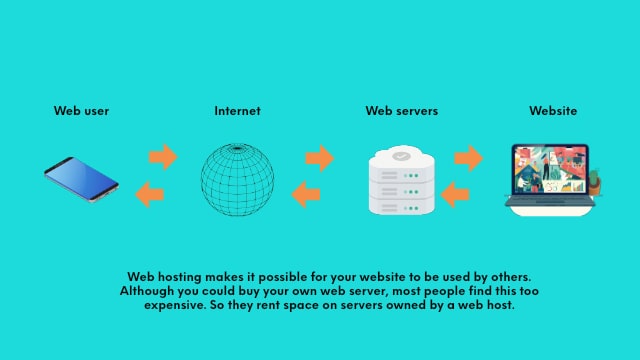
Shared hosting is a budget-friendly option. Many websites share one server. It is ideal for small websites and blogs. Resources are shared with others. This can sometimes slow down your site. But it is a good start for beginners.
VPS stands for Virtual Private Server. It offers more control than shared hosting. You get your own space on a server. Great for growing websites. It provides better performance. Costs more than shared hosting, but worth it for larger sites.
Dedicated hosting gives you a whole server. No sharing with others. Best for big businesses. Offers high security and fast speeds. It is the most expensive option. Ideal for sites with lots of visitors.
Cloud hosting uses many servers. Your site is on a network. It is flexible and can grow with your needs. If one server fails, others pick up the slack. Good for sites with changing traffic. More reliable than other types.
Credit: www.godaddy.com
Assessing Your Needs
The purpose of a website helps decide the best web host. Personal blogs need simple plans. Business sites need more features. E-commerce sites need secure options. Think about the website’s main goal. Is it to share ideas or sell products? This will guide your choice.
Think about how many visitors you expect. Small sites have fewer visitors. Large sites need more resources. A site with many visitors needs a strong server. Shared hosting works for low traffic. Dedicated hosting is better for high traffic. Know your traffic to pick the right host.
Set a budget for hosting. Basic plans cost less. Advanced plans cost more. Decide how much you can spend. Less money means fewer features. More money gets you more tools. Choose a plan that fits your money limits. Think about quality and price balance.
Key Features To Look For
Bandwidth is important for your website. It shows how much data can move. More bandwidth means more visitors can use your site. Storage is the space for your files. Bigger storage lets you add more content. Choose a host with enough bandwidth and storage for your needs.
Uptime is the time your site is online. A good host has a high uptime guarantee. This means your site works most of the time. Aim for 99.9% uptime. This keeps your site running smoothly.
Security keeps your site safe. A good host has strong security measures. Look for SSL certificates and firewalls. These protect your data from bad people. A secure site is a safe site.
Customer support helps you when you have problems. Look for a host with 24/7 support. They should answer questions quickly. Good support makes you feel safe and happy.
Credit: www.hostinger.com
Comparing Hosting Providers
A good hosting provider has a strong reputation. People talk about it. Check online reviews. They tell you what others think. Look for many happy customers. Bad reviews? Be careful. They can be warnings. Reputation matters a lot. It shows trust.
Hosting providers offer different pricing plans. Some are cheap. Others cost more. Check what you get for the price. Sometimes, more money gets you better service. Look for hidden fees. They can surprise you later. Choose a plan that fits your budget.
Contracts can be long or short. Some need a year. Others need less time. Look for flexible options. They let you change plans easily. Long contracts can save money. Short ones offer freedom. Choose what works best for you.
Domain Name Registration
Pick a name that is short and easy to remember. Ensure it reflects your website’s purpose. Avoid using numbers or hyphens. They can confuse visitors. A unique name helps you stand out. Consider using keywords related to your site.
Start by searching for available names. Many websites help with this search. Once you find a name, register it. Registration usually requires filling a simple form. You will need to provide contact details. Pay a small fee to secure your domain. After registration, the domain is yours.
Choose privacy to protect your personal data. Without it, your details are public. This can lead to spam emails. Privacy options keep your info hidden. Most registrars offer this service. It costs extra but keeps you safe.
Setting Up Your Hosting Account
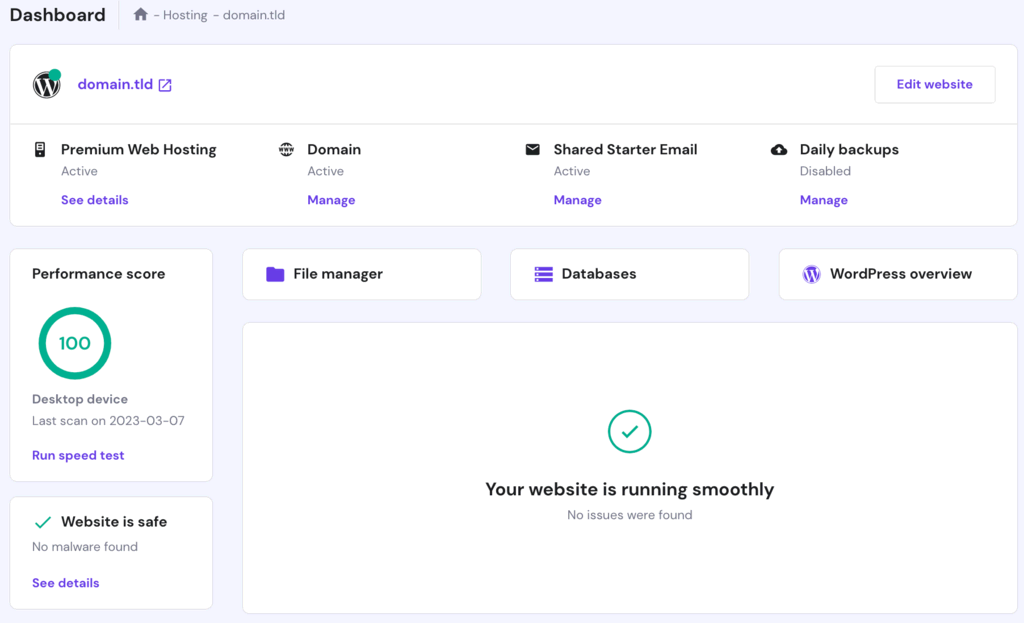
A control panel helps you manage your hosting account. It is like a dashboard. You can see all tools in one place. Navigating this panel is simple. Click on icons to open features. Explore and get familiar with options. Use help sections if needed. It’s important to know where everything is. This saves time later.
Creating an email is easy. First, find the email section in your control panel. Click to open it. Choose “create new account.” Enter your desired email name. Select a domain name if you have more than one. Set a strong password. Confirm and your email is ready. Check settings for spam filters and auto-reply.
Uploading files to your host is crucial. Use the File Manager in the control panel. It works like your computer’s file explorer. Drag and drop files to upload. Another method is FTP (File Transfer Protocol). For this, download an FTP client. Enter your host’s details and connect. Choose files and upload. Easy and efficient.
Migrating An Existing Website
Backing up your website is crucial. It protects your data. Use a reliable backup tool. Save files to a safe location. Transfer them to the new host. Ensure all files are complete. This step prevents data loss. A smooth transfer is vital.
DNS settings are important. They direct traffic to your site. Update DNS records with the new host. This may include nameservers and IP addresses. Changes can take time. Check with your host for updates. Proper configuration prevents downtime.
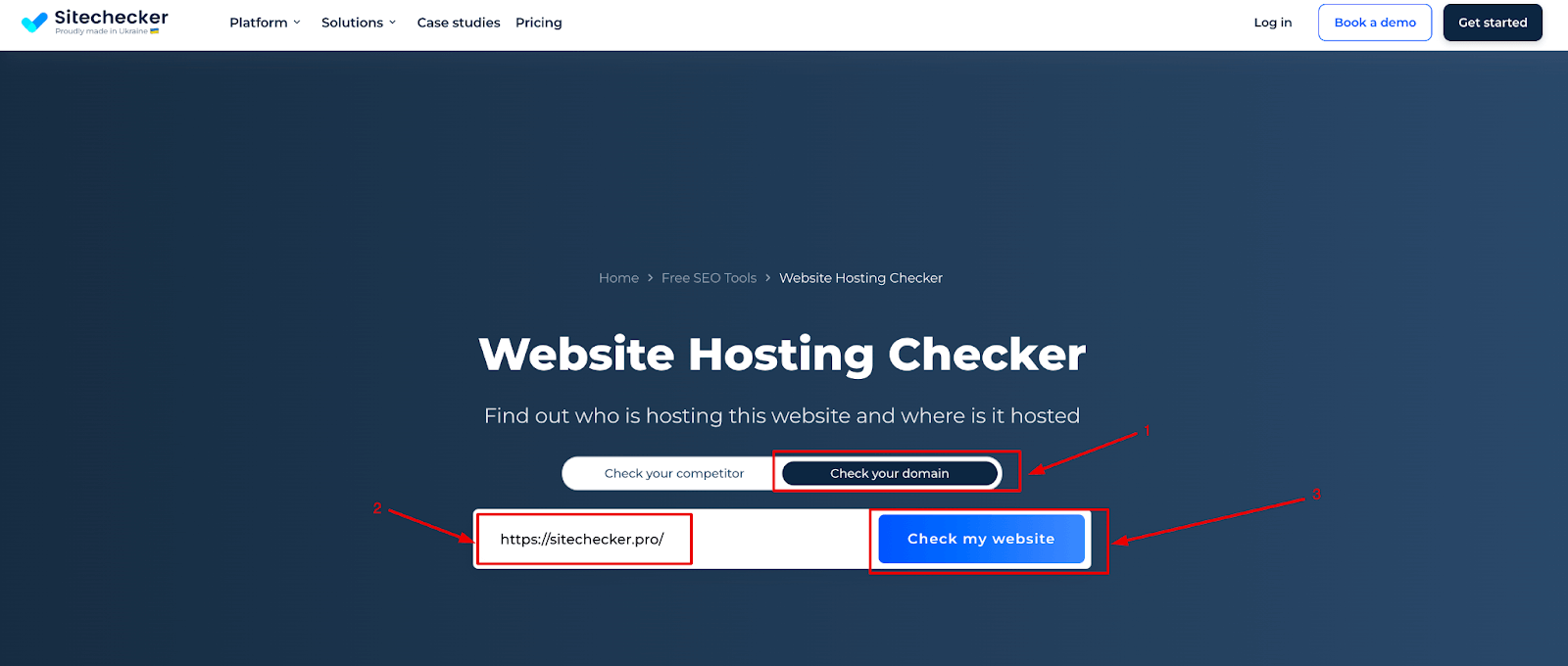
Test your site after migration. Check all pages. Ensure links are working. Look for errors or missing content. Troubleshoot issues promptly. Use tools to identify problems. Your site should load quickly. Testing ensures a successful migration.
Optimizing Your Hosting Performance
Speed matters. Caching stores website data for quick access. This reduces load times. Faster sites keep visitors happy. Use plugins for easy caching. Many hosts offer built-in caching tools. These tools boost performance and save resources.
CDNs distribute content across multiple locations. This helps deliver data fast. Visitors get site content from nearby servers. CDNs enhance speed and reliability. They reduce server load and minimize downtime. Popular CDNs include Cloudflare and Akamai. Set up a CDN with your host for better reach.
Keep software up-to-date. Updates fix bugs and improve security. Regular maintenance prevents issues. Clean up unused files. Remove outdated plugins. Monitor performance regularly. Schedule checks to ensure everything runs smoothly. Well-maintained sites perform better. Visitors appreciate a stable experience.
Credit: sitechecker.pro
Frequently Asked Questions
How To Get A Website Hosted?
Choose a reliable hosting provider. Select a suitable plan for your needs. Register your domain name. Upload your website files via the control panel or FTP. Ensure your site is live and functioning properly.
How Much Does It Cost For A Website Host?
Website hosting costs vary from $3 to $300 per month, depending on features and provider. Shared hosting is cheaper, while dedicated hosting costs more. Consider your needs and budget to choose the right plan. Always compare prices and read reviews before selecting a host.
Is There A Free Website Host?
Yes, several platforms offer free website hosting services. Popular options include WordPress. com, Wix, and Weebly. These platforms provide basic features and limited storage. They are suitable for small projects or personal websites. Upgrading to paid plans unlocks advanced features and customization options.
Is Google Web Hosting Free?
Google does not offer free web hosting. Google Cloud Platform provides hosting services but charges apply. Explore Google Sites for a limited, free option.
Conclusion
Choosing the right web host is crucial. It impacts your site’s performance. Consider speed, reliability, and support. Remember, budget matters too. Compare prices and features. Check reviews from other users. Look for 24/7 customer service. Test their response time. Try to contact them before buying.
Make sure they offer a money-back guarantee. This gives you peace of mind. Your website deserves a strong foundation. Don’t rush. Take your time to decide. A good host is key to your success. Make an informed choice. Your future online presence depends on it.


