
Choosing the right web hosting company is crucial for your website’s success. It’s not just about finding a place to store your site; it’s about ensuring fast loading times, reliable uptime, and top-notch security for your online presence.
But with so many options out there, how do you decide which one is the best fit for your needs? You might feel overwhelmed by the sheer number of choices, each promising the fastest speeds and best support. But don’t worry; you’re not alone.
Understanding the key factors can make your decision much easier. Imagine the peace of mind that comes from knowing your website is in good hands, allowing you to focus on what you do best—creating amazing content or running your business. This guide will help you navigate the web hosting landscape, giving you the confidence to select a company that aligns with your goals. Let’s dive into the crucial elements you should consider to make a well-informed decision, ensuring your website thrives from day one.
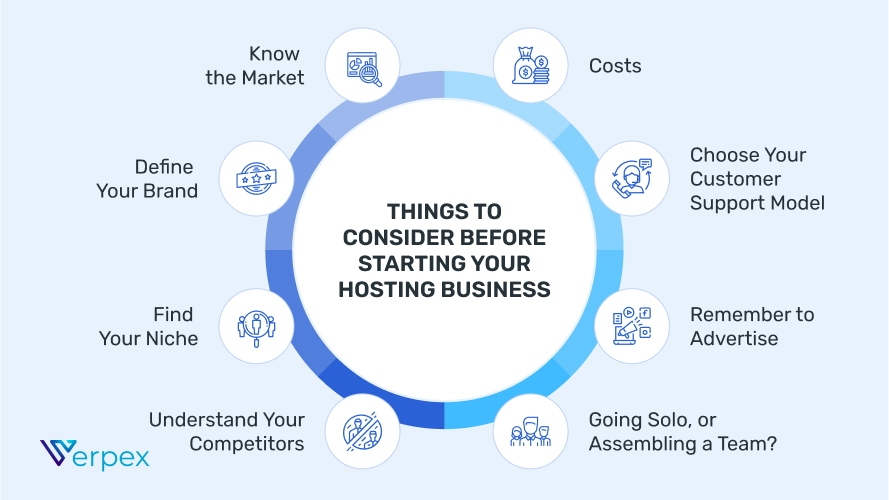
Credit: verpex.com
Types Of Web Hosting
Shared hosting is like sharing a room with friends. Everyone uses the same space. It is cheap and easy to use. Many websites can be on one server. This means it can be slow sometimes. Great for small websites and beginners. But not good for big sites or lots of traffic.
VPS hosting gives more control. It’s like having your own room. You get part of the server just for you. It is more secure and faster than shared hosting. Costs more than shared but less than dedicated. Good for growing sites needing more power.
Dedicated hosting means you get the whole server. It’s like having your own house. No sharing with others. Very fast and secure. Best for large websites with lots of visitors. But, it costs more. Needs more tech knowledge to manage.
Cloud hosting uses many servers. This makes it very reliable. If one server fails, others help. It is flexible and can grow with your website. You pay for what you use. It is a good choice for growing businesses.
Assessing Your Needs
The first step is to understand the purpose of your website. Is it a blog, an online store, or a personal page? Different websites need different hosting solutions. Blogs might need less storage. Online stores need more security features. Knowing your website’s purpose helps you choose wisely.
Predict how many visitors you expect. Is it hundreds or thousands each day? High traffic sites need more bandwidth. Low traffic sites can use basic plans. Choosing the right plan ensures your site runs smoothly. Too many visitors can slow down your site if it’s not prepared.
Think about technical needs like software. Do you need special software or databases? Some hosting plans support specific languages or apps. Check if your chosen host supports your needs. This will make setting up your site easier and quicker. It’s important to find a host that meets all your technical needs.
Researching Hosting Providers
Always check the reputation of a hosting company. Reviews tell you a lot. Many people share their experiences online. Look for both good and bad reviews. This helps you see the full picture. Trustworthy companies have more positive reviews. Avoid companies with many bad reviews.
A good hosting service is always reliable. Websites should be online all the time. Check for any downtime history. A small amount is okay. Too much downtime is a problem. Reliable services keep your site running smoothly. This is important for your visitors.
Customer support is crucial. Problems can happen anytime. Good support helps fix issues fast. Check if they offer 24/7 support. See if they have chat, email, and phone options. Quick support is very important. It helps keep your website running well.
Evaluating Features And Pricing
Storage is like a cupboard for your website. More storage means more room for your files. Bandwidth is like a road for data. More bandwidth lets more people visit your site at once. Check if the host offers enough of both. Some companies offer unlimited options. But always read the fine print to be sure.
Good security keeps your site safe. Look for SSL certificates. They protect data between users and your site. Firewalls help keep hackers out. Some hosts offer daily backups. These save your site if something goes wrong. Check if these features are included or cost extra.
Hosting plans come in different prices. Some are cheap, but have limits. Others cost more, but offer better features. Watch out for hidden fees. Read the contract carefully. Longer contracts may save money. But shorter ones give more flexibility. Choose what fits your needs and budget.
Checking Additional Services
Many hosting companies offer domain registration. This means you can get your website name from them. It’s like buying a name for your site. Some companies give free domains with hosting plans. Others may charge a fee. Always check if the domain comes with the plan. This can save money. Make sure the domain fits your site.
Site builders are tools that help make websites. They are easy to use. Drag and drop features help design the site. No coding needed. Hosting companies often offer these tools. They make building a site simple. Check if the company has a site builder. It can make life easier.
Email hosting lets you have emails that match your domain. It’s professional and neat. Some hosting plans include email services. Others might charge extra. Check the details before choosing. Having custom emails can look good for business. It helps in keeping things organized.

Credit: www.youtube.com
Understanding Terms Of Service
Choosing the right web hosting company involves understanding their terms of service. These terms outline what services are provided and any limitations. Reading these agreements carefully helps in avoiding unexpected issues.
Refund Policies
Some companies offer a money-back guarantee. This means you get a refund if unhappy. Others might have strict rules. Read carefully before you choose. Know the time limit for asking a refund. Some give 30 days. Others offer more or less. Always ask questions if unsure.
Uptime Guarantees
Uptime means your site is online and running. Many hosts promise high uptime. 99.9% uptime is common. This means your site is rarely down. Check if they offer compensation for downtime. A good uptime guarantee is very important. It ensures your site is always available.
Resource Limitations
Every hosting plan has limits. Some offer unlimited storage. But there might be limits on other things. Bandwidth can be limited. If you use too much, they might slow your site. Know what your plan includes. Always ask about extra charges for overuse.
Comparing Hosting Plans
Choosing the right hosting plan depends on many factors. Speed and uptime are very important. A good host should have a high uptime rate. This ensures your website is always online. Loading speed should be fast. Slow websites lose visitors. Check reviews to know about performance. Many users share their experiences online.
Your website might grow in the future. It’s important to choose a host with scalability. This means you can easily upgrade your plan. More visitors need more resources. A scalable host can provide this. Look for options like VPS or dedicated servers. These allow your site to grow smoothly.
Budget is a big factor for many. It’s essential to find a host that is cost-effective. Compare prices of different plans. Sometimes, cheaper plans lack important features. Make sure the plan fits your needs and budget. Look for discounts or promotions. Saving money is always a good idea.

Credit: hostingchecker.com
Making The Final Decision
Choosing the right web hosting company involves comparing key features like uptime, customer support, and pricing plans. Evaluate user reviews and ensure the host offers scalability for future growth. Prioritize reliable security measures to protect your website data.
Prioritizing Key Features
Choosing the right web hosting company is very important. Look for features that help your website. Speed, security, and support are key. Some companies offer extra tools. These tools help your website grow. Compare prices and plans. Make sure they fit your budget.
Long-term Growth Considerations
Think about your website’s future. A good host can help you grow. Check if they offer scalable plans. This means you can add more space and features later. Reliability is important too. Your website should be online all the time. Look for hosts with good uptime records.
Trial Periods And Money-back Guarantees
Some hosts offer a trial period. This lets you try their service. If you don’t like it, ask for a money-back guarantee. Read the terms carefully. Know how long the trial lasts. Check if there are any hidden fees.
Frequently Asked Questions
How To Find The Hosting Provider Of A Website?
Use tools like WHOIS or hosting checker websites to find a website’s hosting provider. Enter the domain name to retrieve hosting details. These tools provide information about the server and hosting company. Check for DNS records for additional insights into the hosting provider.
How Do I Choose A Web Hosting Provider?
Research reliability, uptime, and speed of the hosting provider. Compare pricing and features. Read customer reviews. Check for responsive customer support. Ensure compatibility with your website’s requirements.
How Much Does It Cost For Someone To Host Your Website?
Website hosting costs range from $3 to $300 per month, depending on the type and features. Shared hosting is cheaper, while dedicated servers are more expensive. Providers often offer discounts for annual payments. Evaluate your needs and compare plans to find the best option for your budget.
How Do I Find Out What Platform A Website Is Hosted On?
Use tools like BuiltWith or Wappalyzer to discover a website’s hosting platform. Check the website’s DNS records using tools like MXToolbox. Inspect the website’s source code for clues about the hosting provider. These methods help you identify the platform quickly and accurately.
Conclusion
Choosing the right web hosting company is crucial. Start with assessing your needs. Understand the type of website you want. Consider the hosting features. Look at uptime guarantees and customer support. Research reviews and user experiences. Compare prices without compromising quality.
Secure hosting is vital. Don’t rush your decision. Take time to evaluate options. A reliable host ensures your website runs smoothly. It enhances user experience. A well-chosen host supports your online goals. Make an informed choice. Your website’s success depends on it.


