
Are you trying to find the perfect web hosting company for your website but feeling overwhelmed by the countless options out there? You’re not alone.
Choosing the right web host can feel like navigating a maze, but it’s a critical step for ensuring your website runs smoothly. The right choice can boost your site’s performance, enhance security, and even improve your SEO. But how do you sift through all the noise to find the one that truly fits your needs?
Imagine the peace of mind you’ll have, knowing your website is in safe hands, performing at its best around the clock. This article will guide you through the process of identifying the most suitable web hosting company for your unique situation. We’ll break down the essentials, so you can make an informed decision without getting lost in technical jargon. Get ready to discover the key factors that will make your search not only easier but also more effective. Let’s dive in and unlock the secrets to finding your ideal web hosting partner.
Types Of Web Hosting
Shared hosting is the most basic type. Many websites share one server. It is affordable and easy to use. Good for small sites or blogs. But it can be slow if many sites are busy.
VPS stands for Virtual Private Server. It is like shared hosting but more powerful. You get a part of the server just for you. Better control and faster than shared hosting. Good for medium sites.
Dedicated hosting means you get the whole server. No sharing with anyone. It is very fast and has great control. Best for big sites with many visitors. It is the most expensive option.
Cloud hosting uses many servers. Your site can grow easily. It is very reliable. If one server fails, others help. Good for sites that need flexibility. Often cost-effective for businesses.
Factors To Consider
Uptime is important. It shows how often a website is online. A good company offers at least 99% uptime. This means the site is mostly up and running. Downtime can hurt your visitors. Choose a host with high reliability.
Speed matters for websites. A fast site keeps visitors happy. They won’t wait for slow pages. Good hosts provide quick loading speeds. This boosts the user experience. Ensure the company has fast servers.
Security is crucial. It protects your site from hackers. Look for hosts with strong security measures. Features like SSL certificates and firewalls are essential. These keep data safe and secure.
Good support helps solve issues fast. Choose a host with 24/7 customer support. They should be reachable by phone or chat. This ensures quick help when problems arise. Friendly staff makes the process easier.
Budget And Pricing
Free hosting sounds nice. No money needed. But there are limits. Storage space is small. Speed can be slow. Ads might show on your site. Paid hosting offers more. More space. Faster speed. No ads. It’s a better choice for growing sites.
Some hosts have hidden costs. It’s not just the monthly fee. Setup fees can surprise you. Domain costs might add up. Even SSL certificates can cost more. Always check the fine print. Know all the charges before choosing. This helps avoid surprises.
Scalability Options
Web hosting must handle more visitors as your site grows. This is called growth potential. A good host should offer more space and speed. Some companies let you pay for extra only when needed. Look for hosts with a simple upgrade system. This helps when your website becomes popular. You’ll want a host ready to grow with you.
Upgrade paths are important for a growing site. Basic plans can become too small. Hosts should offer easy upgrades. Check if they offer better plans. Some may allow quick changes with no downtime. This means your site stays online. It’s key to keep your audience happy. Always know what plans your host provides. This ensures smooth growth.
Control Panel And Usability
A simple control panel helps users. Clear menus and easy navigation are important. Users should find features quickly. Drag-and-drop tools make tasks faster. Beginners need helpful guides and support. A good host offers easy access to settings.
Customization lets users change settings. Themes and plugins help create unique sites. Users need options to adjust site look. Color choices and layout changes are useful. Advanced users want more control. Coding access can be a plus. A host should offer varied customization.

Credit: hostingchecker.com
Reviews And Reputation
Reading customer testimonials can help find a good hosting company. People share their experiences online. They talk about the service they received. Happy customers mean good service. Look for patterns in reviews. Many bad reviews can be a warning. Check different platforms for reviews. Some sites may have fake ones.
Industry awards show a company’s standing. Companies with awards are often reliable. Awards mean experts trust them. Look for recent awards. Old awards might not mean much now. Awards can be for many things. Speed, support, and value are common reasons. A company with many awards is often a safe choice.
Specialized Hosting Services
Many online stores need special hosting. E-commerce hosting helps them run fast. Security is very important. SSL certificates keep data safe. Payment gateways must work smoothly. Bandwidth is important for traffic. Look for 24/7 support. It helps solve problems quickly. Backup services protect data. Choose a host with scalability. It helps grow your business.
WordPress hosting is for blogs and websites. It’s easy to use. One-click installs make setup simple. Fast servers improve site speed. Automatic updates keep sites secure. Themes and plugins work best. Choose a host with good support. It helps fix issues fast. Backups protect your work. Storage is important for large sites. Look for hosts with scalability. They help handle more visitors.

Credit: www.youtube.com
Trial And Guarantees
Web hosting companies often offer money-back guarantees. These guarantees are helpful. They allow you to try the service. If not satisfied, you get a refund. Check how long the guarantee lasts. Some offer 30 days. Others offer 60 days or more. Always read the terms. Some companies have strict rules. Understand these before you sign up.
Some hosts provide free trials. You can test their services. Usually, these trials last a few days. This helps you see if the service is right for you. Not all companies offer free trials. So, look carefully. Free trials are good for testing speed. Also, check customer support during this time. Good support is crucial.
Credit: www.elegantthemes.com
Frequently Asked Questions
How To Find The Hosting Provider Of A Website?
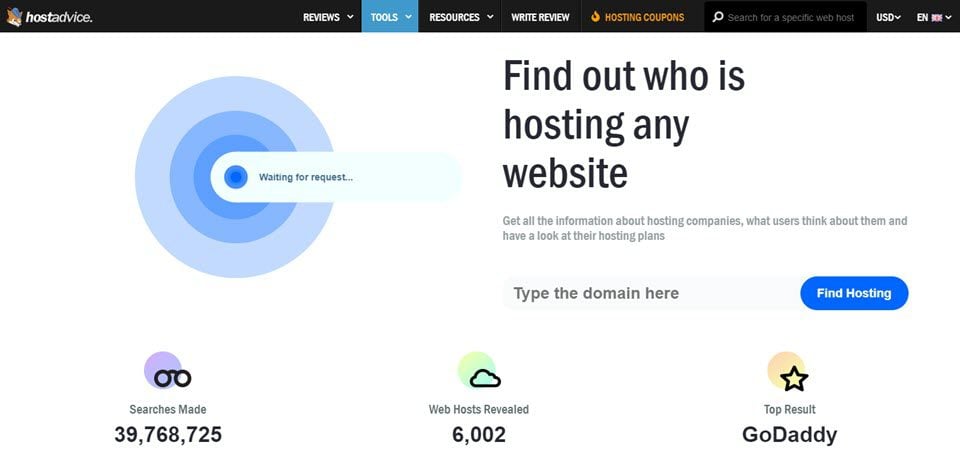
Use tools like Whois. com to identify a website’s hosting provider. Enter the domain name, and find hosting details under “Registrar” or “Nameservers. ” Another option is IP lookup tools that reveal hosting providers by analyzing the website’s IP address.
This process helps you discover who hosts a specific site.
How To Find Out What Platform A Website Is Hosted On?
Use online tools like BuiltWith or WhoIsHostingThis to identify a website’s hosting platform. Check the page source for clues about hosting services. Browser extensions can also reveal hosting details. Explore website footer or contact page for hosting information.
How To Trace Where A Website Is Hosted?
Use tools like WHOIS or hosting checker websites to find hosting details. Enter the website URL, and get the server information. These tools reveal the hosting provider’s name, IP address, and location. This simple process helps you trace website hosting easily.
How Do I Know The Web Server Of A Website?
Use online tools like “WhatWeb” or “Netcraft” to identify a website’s web server. Simply enter the URL. Alternatively, check HTTP headers using browser developer tools. Look for “Server” in response headers, which indicates the server type.
Conclusion
Choosing the right web hosting company is crucial. It impacts your site’s performance. Consider factors like reliability and customer support. A good host ensures smooth operation. Investigate options and compare features. Read user reviews for real insights. Make sure the hosting service matches your needs.
Budget, storage, and bandwidth are key considerations. Always prioritize security and uptime. A little research goes a long way. Your website’s success depends on this choice. Get informed, and choose wisely. Happy hosting!


