
Choosing the right web host is a crucial step in building your online presence. Whether you’re launching a personal blog or setting up a business website, the host you choose can impact your site’s speed, security, and reliability.
But with so many options out there, how do you know which one is right for you? It’s easy to feel overwhelmed, but don’t worry—you’re not alone. This guide will help you understand what to look for in a web host and how to make a choice that aligns with your needs.
By the end of this article, you’ll feel confident in your decision, knowing that your website will have the support it needs to thrive. So, let’s dive in and explore how to determine the best web host for you.

Credit: www.nameboy.com
Types Of Web Hosting
Shared hosting is where many websites share one server. It’s the most affordable choice. Perfect for small websites. Performance can drop if sites get busy. It’s easy to set up. Great for beginners.
VPS stands for Virtual Private Server. This type offers more control than shared hosting. It’s like having your own space on the server. Costs more than shared hosting. It’s ideal for growing sites. Offers better performance.
Dedicated hosting gives you the whole server. No sharing with others. It’s the most expensive
Cloud hosting uses many servers. If one fails, others take over. It’s very reliable. Costs depend on usage. It’s flexible and can handle traffic spikes. Good for websites with changing needs.
Assessing Your Website Needs
Estimate how many people will visit your site. More visitors need better hosting. Websites that expect high traffic should choose a strong host. Low traffic sites need less power. Think about your growth plans. As your site grows, traffic will increase. Plan for future needs.
Identify the tools your site needs. Basic websites use less resources. Complex sites need more. Videos and images require more space. E-commerce stores need strong hosting. Choose a host with the right resources for your site. Ensure you have enough storage and bandwidth.
Check the level of support offered. Good hosts offer 24/7 support. Quick help is important if problems occur. Look for hosts with easy contact options. Some hosts offer chat, email, and phone support. Reliable support is key for site success. Make sure the host is there when needed.
Evaluating Hosting Features
Bandwidth tells how much data moves in and out. More bandwidth means a faster website. Storage is where your website files live. Enough storage keeps your site running smoothly. Big websites need more storage. Small ones need less. Always check if there are limits. Unlimited plans can sometimes have hidden rules. Read the fine print. Choose what fits your site best.
Uptime means your site is live and working. Hosts promise a certain uptime. 99.9% uptime is common. This means your site rarely goes down. Downtime can make visitors unhappy. It can also hurt your site’s reputation. Always pick a host with a high uptime promise. This keeps your site open for visitors day and night.
Security keeps your site safe from bad people. Look for firewalls and backups. Firewalls stop harmful traffic. Backups keep copies of your site. If something goes wrong, you can restore it. SSL certificates are important too. They make sure data stays private. Secure sites start with HTTPS. Always choose a host with strong security features. It keeps your site and visitors safe.
Comparing Hosting Costs
Initial prices often seem low. Many hosts offer discounts at first. Renewal prices are higher. Always check renewal costs. Compare both prices. It’s smart to plan ahead. Budget for future costs. Avoid surprises later.
Be aware of hidden fees. Some hosts charge extra. These fees might be for backups. Or for extra security. Read the fine print. Know what you’re paying for. Transparency is key. Ask questions if unsure.
Look for value, not just cost. A cheap host isn’t always best. Consider features offered. Support is important. Speed and uptime matter too. Balance cost with value. A good host saves time. And offers peace of mind.
Scalability Options
Web hosts should support future growth. If your site grows, hosting must grow too. Think about traffic and storage needs. Choose a host that offers easy expansion. This way, your site won’t slow down. Growth is important for your website’s success.
Look for hosts with flexible plans. They let you switch as needed. Maybe start small, then pick a bigger plan. Flexible plans help you manage costs. You only pay for what you use. This makes hosting more budget-friendly.
Upgrade paths should be simple. Hosts should offer clear options to upgrade. Easy upgrades mean less hassle. You can focus on your site, not hosting issues. Check how upgrades work before choosing a host.

Credit: www.webhostinghub.com
Customer Support Quality
Support Channels are crucial for any web host. Customers need options to reach out. Popular channels include live chat, email, and phone. Live chat offers quick responses. Email is suitable for non-urgent queries. Phone support is ideal for complex issues. Having all these channels ensures customer satisfaction.
Response Time is vital in customer support. Quick responses build trust. Waiting too long can frustrate users. Average response times should be short. Ideally, live chat should respond in minutes. Emails should be answered within a few hours. Faster response times lead to happier customers.
Technical Expertise is necessary for solving problems. Support teams must know their stuff. They should understand technical jargon. This knowledge helps them fix issues fast. A knowledgeable team boosts customer confidence. Always check if the support team is well-trained.
User Reviews And Reputation
Reviews tell you how good or bad a web host is. User feedback matters a lot. People talk about speed and support. Look for reviews from real users. Some reviews are fake. Check many websites. You will find honest opinions. Positive reviews mean happy users. Negative reviews mean unhappy users. Read carefully.
A web host’s reputation is key. Popular hosts are known for good service. They have many users. Industry awards show trust. Experts often talk about them. A bad reputation means problems. Good reputation means reliability. Trustworthy hosts have been around for years. They serve many clients. Look for hosts with strong industry ties.
Case studies show real examples. Businesses share their experiences. They talk about growth and challenges. You learn how hosts help them. Success stories are inspiring. Learn from mistakes too. Case studies offer valuable insights. Compare different web hosts. See how they solved issues. These stories can guide you well.
Credit: www.elegantthemes.com
Trial Periods And Money-back Guarantees
Risk-free trials let users test web hosts without spending money. These trials last for a short time. Users explore features and check performance. It’s a chance to learn about the service. If they like it, they stay. If not, they leave without losing money. It’s a safe way to try new services.
Refund policies are important. They give back money if users cancel early. This makes trying a host less risky. Always check refund terms before buying. Some hosts offer full refunds. Others may give partial refunds. It’s key to understand these rules. It helps avoid surprises later.
Testing the service is crucial. Users should test speed and reliability. Check customer support too. It’s good to know how fast they respond. Try uploading files and using features. See how easy or hard it is. This will show if the service fits your needs. Testing helps make smart choices.
Frequently Asked Questions
How Do I Know The Host Of A Website?
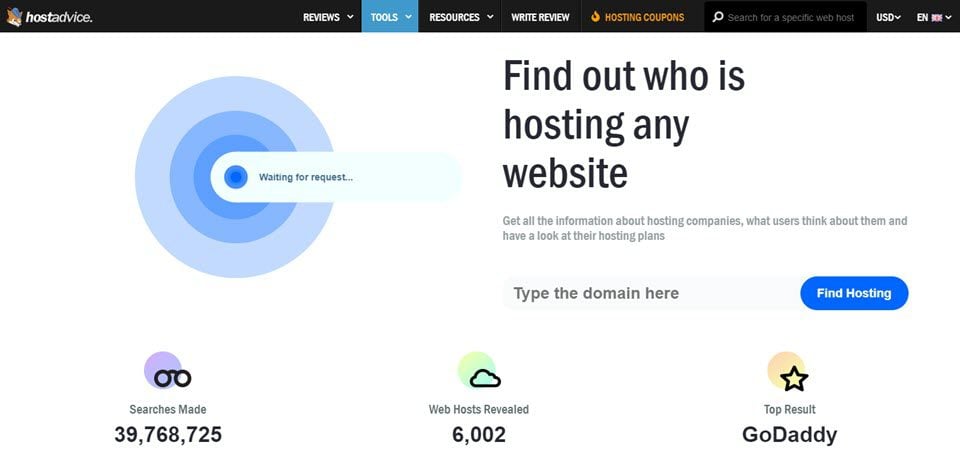
Use a WHOIS lookup tool to find a website’s host. Enter the domain name to get hosting details. Alternatively, use online services like HostingChecker or Site24x7 to identify the hosting provider quickly. These tools provide information about the host, registrar, and domain status.
How Can I Find My Host?
Locate your host by checking your website’s hosting provider in your account settings or domain registration details. Use online tools like WHOIS to identify hosting information quickly. Contact your domain registrar for assistance if needed. Ensure your hosting details are accurate and up-to-date for seamless website management.
Which Hosts A Web Page?
A web hosting provider hosts a web page. They store your website’s files on their servers. Popular web hosts include Bluehost, SiteGround, and HostGator. Choose a host that fits your needs for reliability, speed, and support.
How Do I Find Out What Platform A Website Is Hosted On?
Use online tools like BuiltWith or Netcraft to identify a website’s hosting platform. Check the site’s source code for hosting details. You can also use browser extensions designed for web analysis to discover hosting information.
Conclusion
Choosing the right web host is essential for your site’s success. Start by assessing your needs. Consider storage, speed, and security. Compare different hosting plans carefully. Look for good customer support. Check user reviews online. Price matters, but don’t sacrifice quality.
A reliable host can boost your site’s performance. Make an informed decision based on research. Remember, the perfect host enhances your online presence. Aim for stability and efficiency. Your website deserves the best.


