
Are you tired of using generic WordPress themes that don’t quite fit your brand’s personality? Do you want to design a WordPress theme that truly reflects your style and captivates your audience?
You’re in the right place. Designing your own WordPress theme might seem daunting, but with the right guidance, it’s easier than you think. Imagine having a unique, tailor-made design that not only stands out but also enhances your site’s functionality.
This guide will show you how to create a theme that aligns with your vision, engages your visitors, and keeps them coming back for more. Ready to transform your website? Let’s dive into the world of WordPress theme design and unlock the secrets to a standout site.
Choosing The Right Theme
Pick a theme that matches your website’s purpose. Think about the content you’ll share. Is it a blog, store, or portfolio? Consider your audience too. What do they like? Make sure your theme is easy to navigate. You want people to find things fast. Also, check if the theme is mobile-friendly. Many use phones to browse.
Look at themes that many people use. These themes are often trusted and updated regularly. Visit the WordPress theme directory. You can see ratings and reviews. Check if the theme has been downloaded a lot. Popular themes often have a large community. They can help if you get stuck.
See if the theme has the features you need. Does it support widgets? Can you customize colors and fonts? Make sure it has a responsive design. This means it looks good on all devices. Check if it has SEO-friendly options. This helps your site show up in search results. Look for fast loading speed. Slow sites can lose visitors.

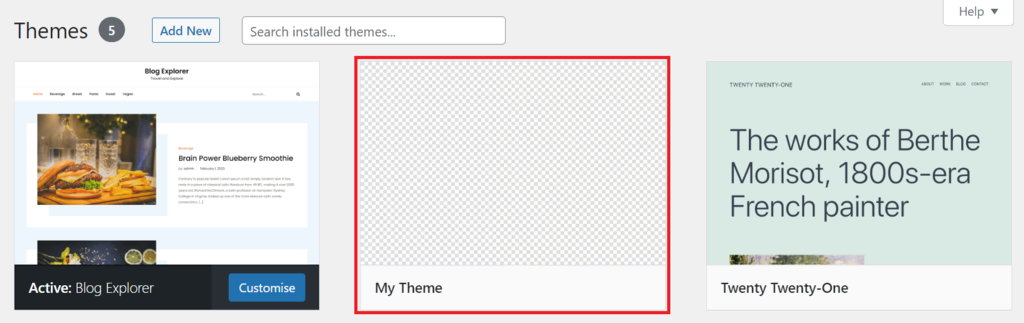
Credit: docs.themeisle.com
Customizing Theme Appearance
Colors make your site look unique. Pick colors that match your brand. Use the theme settings to change them. Fonts are also important. Choose fonts that are easy to read. You can change fonts in the settings too. Bold or italic can make text stand out.
Layouts decide where things go on your page. You can move things around to fit your style. Add or remove sidebars. Change header size and positions. Make sure the layout is neat. It should be easy to navigate.
Graphics give your site personality. Use custom images for headers and backgrounds. These can make your site feel personal. Add logos to show your brand. Make sure images are clear and not blurry. Good graphics can catch the eye.
Enhancing Functionality
Plugins make your site better. They add new features. Choose plugins wisely. Some plugins can slow your site. Check reviews before installing. Popular plugins often have good support. They help in fixing issues. Keep plugins updated. Updates improve security. They also fix bugs.
Widgets offer extra functions. They can be added to sidebars. Custom widgets suit your needs. They make your site unique. Use simple widgets for easy navigation. Create widgets with care. Test them before using. Ensure they fit your theme. Widgets should not clutter your site.
Mobile users need a good experience. Themes must be mobile-friendly. Check your site on phones. Ensure buttons are easy to tap. Text should be clear and readable. Images must load fast. Mobile optimization helps in ranking. It also attracts more visitors. Use tools to test mobile performance.
Credit: www.hostinger.com
Seo And Performance Optimization
Crafting a WordPress theme requires attention to both SEO and performance optimization. Enhance search engine visibility by using clean code and proper heading tags. Speed up loading times by minimizing CSS and JavaScript files and optimizing images.
Improving Site Speed
Site speed is very important. It helps users stay on your site. A slow site can make users leave. Use small images to make the site faster. Compress files to save space. Choose a good hosting provider. This helps the site run smoothly. Enable browser caching. It loads pages faster on repeat visits. Keep plugins updated. This avoids slowdowns and errors.
Implementing Seo Best Practices
SEO helps your site appear in search results. Use keywords in titles and headings. This tells search engines what the page is about. Add meta descriptions. They show a summary in search results. Use alt tags for images. They describe the image to search engines. Link to other pages. This helps search engines understand the site structure.
Ensuring Accessibility
Accessibility is important for all users. Use clear and simple text. This helps everyone understand. Add subtitles to videos. They assist those who cannot hear. Ensure buttons and links are easy to click. Use contrasting colors for better visibility. Test your site with accessibility tools. They help find areas to improve.
Testing And Troubleshooting
Creating a WordPress theme involves testing and troubleshooting to ensure everything works smoothly. Check every feature and design element carefully. Fix any issues to provide a seamless user experience.
Conducting Cross-browser Tests
Browsers can show themes differently. Test your theme on Chrome, Firefox, and Safari. Make sure it looks nice everywhere. Check if buttons work well. Confirm that images load fast. Look for any broken links. Testing helps find problems early.
Fixing Common Issues
Some themes have common problems. Images might not fit right. Text could be too small. Links might break. Fix these issues quickly. Adjust the size of images. Make text bigger and clearer. Repair broken links. A well-functioning theme makes users happy.
Gathering User Feedback
Feedback is important. Ask users how the theme feels. Let them share their thoughts. Find out what they like. Learn what bothers them. Use feedback to improve your theme. Happy users will stay longer. Good themes attract more visitors.

Credit: www.bluchic.com
Launching Your Theme
Check all colors and fonts. Make sure they match your style. A good design is clear and simple. Test your theme on different devices. It should look good everywhere. Fix any mistakes you find. These small changes make a big difference. Your theme should be easy to use. User-friendly designs are the best. Make sure the layout is neat and tidy.
Save a copy of your theme. This is your backup. If things go wrong, you can restore it. Keep your theme safe. Use strong passwords. Protect your work from hackers. Keep your WordPress updated. Updates fix security issues. A secure theme keeps data safe. Always be cautious.
Tell your friends about your theme. Share it on social media. Show it on your blog. People love new designs. Create a simple post about it. Use pictures to show your theme. Pictures make people interested. A good description helps too. Let people know how they can use it. Word of mouth is powerful. Get feedback and improve.
Frequently Asked Questions
How Can I Customize My WordPress Theme?
Customizing your WordPress theme involves using the theme customizer. Access it via the WordPress dashboard under Appearance. You can adjust colors, fonts, and layout. For advanced edits, consider using CSS or a child theme. Plugins like Elementor offer additional customization options without coding.
What Tools Help In Designing WordPress Themes?
Popular tools for designing WordPress themes include Elementor, Beaver Builder, and Visual Composer. These plugins offer drag-and-drop functionality for easy design. Adobe XD and Sketch are great for prototyping. WordPress’s native theme customizer is handy for simple edits.
Is Coding Necessary For WordPress Theme Design?
Coding isn’t always necessary for basic WordPress theme design. Theme builders and plugins allow for easy customization without coding. However, for advanced customization, knowledge of HTML, CSS, or PHP can be beneficial. Consider using child themes for safe edits.
How Do I Choose A WordPress Theme?
Choose a WordPress theme based on your site’s purpose and audience. Consider design, responsiveness, and customization options. Look for themes with positive reviews and regular updates. Free and premium themes offer different features; choose what aligns with your needs.
Conclusion
Designing your WordPress theme can be fun and rewarding. Start with clear goals for your site. Choose colors and fonts that match your brand. Keep the layout simple for easy navigation. Use plugins to add special features and customize pages.
Regularly update your theme to keep it fresh. Test on different devices for best performance. Seek feedback from users to improve your design. Remember, your theme reflects your brand’s personality. Enjoy the process and learn as you go. With creativity and patience, your WordPress theme will shine.


