
Imagine having the power to create a stunning website without needing to learn complex coding. With WordPress themes, this dream can become your reality.
You might be wondering how you can design a website that is not only visually appealing but also functional and user-friendly. The good news? It’s easier than you might think. In this guide, you’ll discover the secrets to designing a captivating website using a WordPress theme.
Picture yourself effortlessly selecting the perfect layout, customizing it to reflect your unique style, and watching as your online presence comes to life. As you read on, you’ll find the tips and tricks that will empower you to transform your vision into a dynamic website that truly stands out. Unlock the potential of WordPress themes, and let your creativity shine. Are you ready to take the first step towards designing a website that impresses and engages? Let’s dive in!

Credit: wordpress.org
Choosing The Right Theme
The theme should match your website’s purpose. Look for responsive designs. This means the site looks good on all devices. Check the loading speed too. Faster sites are better. Customer support is important. You might need help. Ensure the theme is SEO-friendly. This helps your site rank well. The theme should also be customizable. You may want to change colors or fonts. Lastly, check for regular updates. Updated themes have fewer bugs.
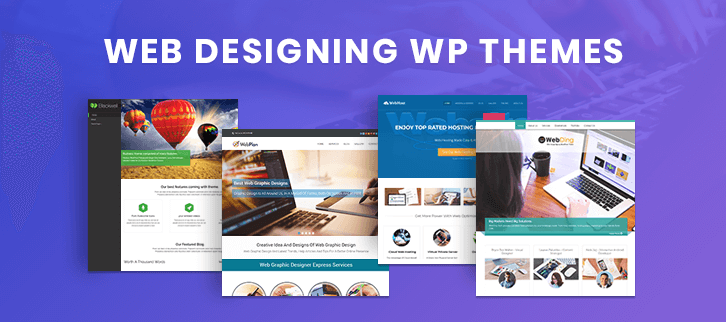
Business themes are great for companies. They often have clean lines and professional looks. Portfolio themes suit artists and photographers. They showcase work beautifully. Blog themes focus on readability. They make text easy to read. E-commerce themes are for online shops. They help sell products. Magazine themes are for news sites. They organize lots of content neatly. Choose a category that fits your site’s goal.
Credit: www.formget.com
Installing A WordPress Theme
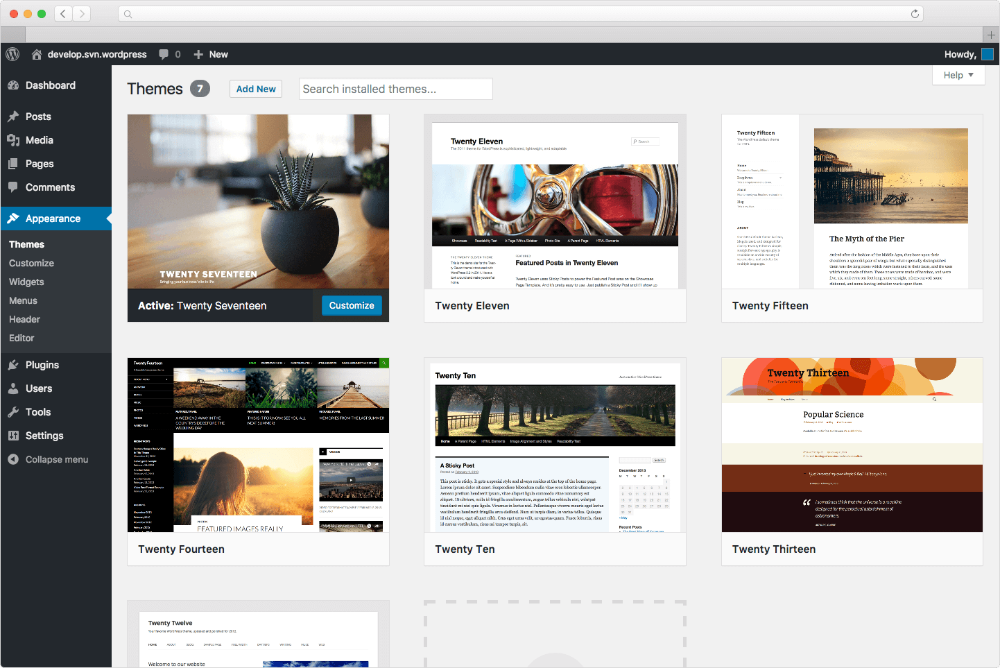
Open the WordPress dashboard. Find the Appearance tab. Click on Themes. You will see the theme directory. Many themes are free. Some require payment. Use the search bar to find themes. Choose a theme you like. Click on Install. Wait for it to finish.
Have a theme file ready. Go to the Themes section. Click on Add New. Choose the Upload Theme option. Click Choose File. Find your theme file. Click Install Now. Wait for it to upload. After it uploads, click Activate. Now, your theme is live.
Customizing Theme Settings
The Theme Customizer is a great tool. It lets you change your site easily. You can see changes live. No need to save and view every time.
You can change the site title and tagline. Add a logo if you have one. Adjust the navigation menu to suit your needs. It helps your visitors find pages.
Change the layout to fit your style. Some themes have many layouts. Choose one that works best for you.
Pick colors that look good together. Use the color picker to help. Colors should make text easy to read. They should match your brand or style.
Adding Essential Plugins
Plugins for Functionality can make your website better. Some plugins add contact forms. Others help with security. A good plugin is WooCommerce for online stores. It helps sell products. Another useful plugin is Elementor. It helps create pages easily. Use these plugins to improve your site.
Plugins for SEO are very important. They help your site rank higher. A popular plugin is Yoast SEO. It checks your content. It also gives tips for improvement. Another option is Rank Math. It helps with keywords. It also tracks your site’s performance. Use these plugins to boost your SEO.
Incorporating Content
WordPress makes adding pages simple. Pages hold static content. Posts are for news or updates. Click Add New to create. Write a title. Add your text. Use the editor to format. Preview before publishing. Save as a draft if needed. Revisions are easy. Edit anytime. Publish when ready.
Media makes your site interesting. Use images, videos, and audio. Click Add Media to upload files. Choose the file type you need. Insert into your page or post. Images can be resized. Videos can be embedded. Audio plays directly. Media libraries help manage files. Organize for easy access. Add captions for clarity. Optimize for faster loading.
Optimizing For Performance
Fast websites keep visitors happy. Choose a lightweight theme. Use fewer plugins. Compress images to make them smaller. This helps the site load quicker. A caching plugin can store some site data. This makes the site open faster next time. A good hosting service also boosts speed. Aim for a loading time under 3 seconds.
Many users browse on phones. Ensure your website looks good on small screens. Use a responsive theme. This theme adapts to different screen sizes. Test your site on phones and tablets. Buttons should be easy to click. Text must be readable without zooming. A mobile-friendly site keeps visitors engaged. Google favors sites that work well on mobile devices.
Testing And Launching
Testing and launching your WordPress-themed website ensures everything works smoothly. Check links, images, and forms for proper function. Then, make it live for visitors to enjoy.
Cross-browser Testing
Check your website on different browsers. This makes sure it looks good everywhere. Some popular browsers are Chrome, Firefox, and Safari. Each one can show your site a bit differently. Use tools like BrowserStack or CrossBrowserTesting. They help you see how your site looks on all browsers. Fix any problems you find. This way, everyone can enjoy your site without trouble.
Final Checks Before Launch
Test your site speed. Slow sites lose visitors fast. Use Google PageSpeed Insights. It shows how to make your site faster. Check all links. Make sure none are broken. Broken links frustrate users. Ensure all forms work. Users need them to contact you or sign up. Check your site on phones and tablets. It must look good everywhere. Once done, your website is ready to go live!
Credit: watermelonwebworks.com
Maintaining Your Website
Crafting a website with a WordPress theme offers simplicity and flexibility. Select a theme that matches your brand. Customize colors and fonts to make it unique.
Regular Updates
Always update your WordPress theme. Updates fix bugs and add new features. They keep your site running smoothly. Using old themes can cause problems. New updates protect against hackers. Check for updates weekly. Don’t ignore update notifications. Back up your site before updating. This protects your data.
Monitoring Security
Security is important for your website. Use strong passwords for your accounts. Change passwords regularly. Use plugins for extra security. These plugins scan for threats. They alert you to problems. Always keep plugins updated. This helps stop hackers. Review your security settings monthly. A safe site is a happy site.
Frequently Asked Questions
How Do I Choose A WordPress Theme?
Choosing a WordPress theme involves considering your website’s purpose and audience. Look for themes that are responsive, customizable, and SEO-friendly. Check reviews and ratings to ensure reliability. Evaluate design elements to match your brand identity. Ensure compatibility with plugins for added functionality.
Can I Customize A WordPress Theme?
Yes, you can customize a WordPress theme to suit your needs. Use the built-in Customizer for changing colors, fonts, and layouts. Advanced users can edit theme files using code. Plugins can add extra features without altering the theme’s core files.
Always back up before making changes.
How Do WordPress Themes Affect Seo?
WordPress themes impact SEO through site speed, mobile responsiveness, and structured data. Fast-loading themes enhance user experience and search rankings. Responsive designs ensure accessibility on all devices. Themes with proper markup improve search engine understanding. Choose SEO-optimized themes for better visibility and performance.
Are Free WordPress Themes Reliable?
Free WordPress themes can be reliable, but caution is advised. Choose themes from reputable sources, like the WordPress repository. Check user reviews and ratings. Free themes may have limited customization options compared to premium ones. Ensure regular updates to maintain security and compatibility.
Conclusion
Creating a website with a WordPress theme is simple. Start with choosing a theme that fits your needs. Customize it to match your brand. Add essential plugins for better functionality. Always check your site on mobile devices. Keep your design clean and user-friendly.
Remember to update your content regularly. This keeps visitors engaged and improves your SEO. Practice makes perfect. Explore different themes and settings. Learn as you go. With patience and creativity, you can build a great website. Your online presence will grow stronger.
Start today and enjoy the journey of web design.


