
Are you tired of cluttered WordPress dashboards and unused themes taking up valuable space on your website? Deleting all those outdated or unnecessary themes might seem like a daunting task, but it doesn’t have to be.
Imagine a streamlined WordPress experience, where your site runs faster and smoother, allowing you to focus on what truly matters—your content and your audience. In this guide, you’ll discover the simple steps to efficiently remove all themes from your WordPress site.
By doing so, you’ll not only free up space but also enhance your site’s performance and security. Stay with us, and you’ll learn how to declutter your digital space, giving your website a fresh start and a boost in efficiency. Let’s dive in and make your WordPress experience as clean and hassle-free as possible!

Credit: themelooks.com
Accessing The WordPress Dashboard
First, log into your WordPress dashboard. This is where you manage your site. Look for the Appearance option on the left side. Click on it to open the menu. Here, you will find the Themes section.
This is where all your themes are listed. To delete a theme, hover over it. You will see the Theme Details button. Click it to open more options. Now, find the Delete button in the bottom right corner.
Click it to remove the theme. Repeat this for each theme. Make sure to keep at least one theme active. This helps your site stay functional.
Navigating To Themes Section
Visit your WordPress dashboard. Look for the Appearance option. Click on it. A new menu will appear. Find and select Themes. This page shows all installed themes. Each theme has a thumbnail image. You can see the active theme at the top. Other themes are below it.
Next to each theme, there is an option to delete. Choose the theme you want to remove. Click on the theme thumbnail. A new window opens. Find the Delete button. It is at the bottom-right corner. Click it to remove the theme. Confirm the deletion. Repeat this for each theme.
Identifying Installed Themes
Start by going to your WordPress dashboard. Once there, click on Appearance. This option is on the left side. You will see a list of themes. Your active theme will be at the top. Below it, other themes are listed. These are your installed themes.
Note the names of these themes. You will need them later. Remember, only one theme can be active. The rest are unused. Keeping unused themes is not safe. They can create security risks. It’s important to remove them. This keeps your site secure and clean.
Activating A Default Theme
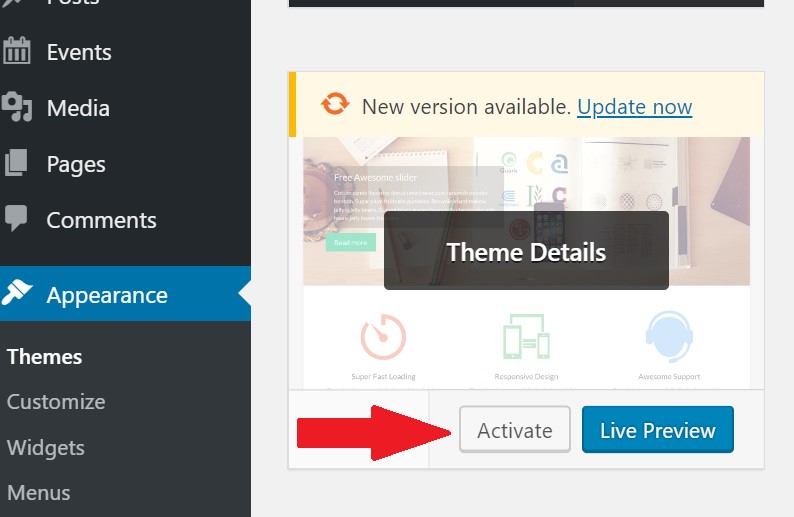
First, open your WordPress dashboard. Go to the Appearance section. Click on Themes. Here, you can see all installed themes. Look for a default theme. A default theme is usually called Twenty Twenty-Three or similar. Hover over it. Click on the Activate button. This will make it your current theme.
It is important to have a default theme active. This ensures your site stays live. Other themes can now be safely deleted. Once active, move on to deleting old themes. Always keep one theme active. This keeps your site stable.
Deleting Themes Manually
Start by logging into your WordPress Dashboard. Locate the Appearance menu on the left side. Click on it. You’ll see the Themes section. Find the theme you want to delete. Hover over it. You’ll see a Theme Details button. Click it. In the details screen, look for the Delete button at the bottom-right corner. Click Delete. Confirm your choice in the prompt. Repeat these steps for each theme you want to remove. It’s easy and quick. Don’t worry, you can always add new themes later.
Access your hosting control panel. Find the File Manager option. Open it. Navigate to the wp-content/themes folder. This is where all themes are stored. Select the themes you wish to delete. Right-click and choose Delete. Confirm your action. This method is useful for bulk deletions. Be careful not to delete the active theme. It can cause errors. Always have a backup theme ready to activate.
Removing Themes Via Ftp
First, open your FTP client on the computer. Enter the server host name, username, and password to connect. Make sure the connection is secure. Once connected, you can see the server files.
Go to the public_html or www folder. Find the wp-content folder inside it. Open it to find the themes folder. All your WordPress themes are here. Choose the theme files you want to delete. Be careful not to delete important files.
Automating Theme Deletion
Easily manage your WordPress themes by automating their deletion. Access the admin panel, navigate to Appearance, then Themes. Select and delete unused themes to streamline your website. This process ensures a cleaner and faster WordPress experience.
Utilizing Plugins
Plugins can help delete themes quickly. Some plugins offer bulk deletion options. This saves time. It’s simple to install a plugin. Go to the WordPress dashboard. Click on ‘Plugins’. Search for theme deletion plugins. Install and activate the plugin. Follow the instructions. Most plugins are easy to use. They provide a user-friendly interface. Always check reviews before installing. Ensure the plugin is reliable. Check compatibility with your WordPress version. This prevents errors.
Setting Up Automated Scripts
Automated scripts can simplify theme removal. Scripts require some coding knowledge. They run commands automatically. This reduces manual work. Start by accessing your server. Use FTP or SSH for this. Write a script to delete themes. Test the script first. Check if it works correctly. Schedule the script to run regularly. This keeps your site clean. Always backup before running scripts. This protects your data. Many online guides explain script setup. Follow them carefully.

Credit: www.wpbeginner.com
Verifying Theme Removal
Go to your WordPress dashboard. Look for the Appearance menu. Click on Themes. Here you see all installed themes. Ensure only one theme remains. This should be your active theme. All others must be deleted. This confirms their removal.
Access your website files. Use FTP or a file manager. Navigate to the wp-content/themes folder. Check for any unused themes. Only keep your active theme. Delete any other theme folders. This ensures all themes are truly gone.
Troubleshooting Common Issues
Deleting all themes from WordPress can solve many problems. Begin by accessing the WordPress dashboard. Navigate to Appearance, then Themes. Hover over the unwanted theme and click Delete. Confirm the action. Repeat until only the active theme remains. This process helps improve site speed and security.
Permission Errors
Permission errors can stop you from deleting themes. These errors happen when you don’t have the right access. You might see a message like “Cannot delete theme.” Check your user role in WordPress. You should be an admin. Admins have full access. If you are not an admin, ask for help. Someone with admin rights can help you. Changing file permissions can fix this too. Use an FTP client to do this. Set permissions to 755 or 644. This change lets you delete themes.
Theme Reinstallation
Reinstalling themes can solve some problems. First, delete the theme you want to reinstall. Go to the WordPress dashboard. Click on “Appearance” and then “Themes”. Find the theme and click “Delete”. Now, reinstall the theme. Click “Add New”. Search for your theme. Click “Install” and then “Activate”. Reinstalling refreshes the theme files. This can fix bugs. Remember, backup your site before doing this. Backups keep your data safe.
Credit: mekshq.com
Best Practices For Theme Management
Regular maintenance keeps your site healthy. Update your themes often. Outdated themes can slow down your website. They might even cause errors. Delete unused themes to save space. Keep your site tidy. Check for theme updates weekly. This helps prevent bugs. It also improves security. A clean site runs faster. Faster sites rank higher on Google.
Backups protect your work. Always backup your site before changes. Use plugins to make backups easy. Store backups in safe places. Cloud storage works well. Regular backups save time and worry. If something breaks, you can restore it. Keep a backup schedule. Weekly backups are smart. This protects your site from theme errors.
Frequently Asked Questions
How Do I Delete Themes In WordPress?
To delete themes in WordPress, access your dashboard, navigate to ‘Appearance’ > ‘Themes’, choose the theme you want to remove, and click ‘Delete’. This action frees up storage and reduces clutter. Always ensure you have a backup before deleting any theme to prevent loss of important data.
Can I Delete Unused WordPress Themes?
Yes, deleting unused WordPress themes is recommended for better site performance. Unused themes can take up unnecessary space and pose security risks. Navigate to ‘Appearance’ > ‘Themes’, select the inactive theme, and click ‘Delete’. Regularly removing these themes helps in maintaining a clean and optimized website.
Why Should I Remove Old Themes?
Removing old themes improves website security and performance. Outdated themes can be vulnerable to security threats and may affect loading speeds. Regularly updating and cleaning your theme library ensures a streamlined, efficient, and secure WordPress environment. Always backup your website before making changes to themes.
Is It Safe To Delete All Themes?
Yes, it is safe to delete all themes except the active one. Ensure your active theme is functioning correctly before deleting others. Removing unnecessary themes enhances site security and speed. Always keep a backup in case you need to restore any previous settings or designs.
Conclusion
Deleting themes in WordPress keeps your site clean and organized. It helps improve site speed and security. Always check before removing. You might need a theme later. Regular cleanup avoids clutter and saves space. Follow the steps carefully. Your site will thank you for it.
A cleaner WordPress means easier management. More focus on what matters. Content and user experience. Keep your site tidy. Your visitors will notice. Simple maintenance goes a long way. Enjoy a faster, safer website. Organize your WordPress today. Happy blogging!


