
Are you feeling overwhelmed with your Namecheap domain management? Deleting a domain might seem daunting, but it doesn’t have to be.
Whether you’re clearing space for a new project, fixing a purchase mistake, or simply tidying up your online presence, knowing how to delete a domain on Namecheap efficiently can save you time and headaches. Imagine the satisfaction of having a clutter-free domain list, where only your most important projects shine.
In this guide, we’ll walk you through each step of the process in clear, simple terms. You’ll gain the confidence to manage your domains with ease, ensuring your online assets are always organized and optimized. Dive in, and discover how straightforward it can be to take control of your domain list on Namecheap.
Accessing Your Namecheap Account
Deleting a domain on Namecheap involves logging into your account and navigating to the domain list. Select the domain you wish to delete and follow the prompts to remove it from your account. Always double-check your actions to avoid accidental deletions.
Accessing your Namecheap account is the first step in deleting a domain. This process is simple and can be done in a few clicks. Namecheap provides a user-friendly interface to help you navigate your account. Follow the steps below to ensure you access your account smoothly.Logging Into Your Account
Visit the Namecheap website. Locate the “Sign In” button. It’s usually at the top right corner. Click it. Enter your username and password. If you forgot your password, use the “Forgot Password” link to reset it.Finding Your Dashboard
After logging in, you will see your dashboard. This area shows your account details. Look for the “Domain List” section. It displays all your registered domains. Ensure you are in the right place to manage your domain settings.Navigating To Domain Settings
Find the domain you want to delete. Click on it. This action will lead you to the domain settings page. Here, you can manage various aspects of your domain. Look for options related to domain management. Accessing your Namecheap account is straightforward. These steps will guide you to the right sections. Follow them closely to ensure you access your domain settings correctly.Navigating To The Domain List
Deleting a domain on Namecheap might seem daunting, but it starts with a simple step: navigating to the domain list. Whether you’re clearing out unused domains or tidying up your digital portfolio, understanding this process is crucial. Let’s dive into how you can easily find your way to the domain list on Namecheap.
Begin by logging into your Namecheap account. Use your username and password to sign in securely. If you’ve ever forgotten your login details, Namecheap’s recovery options are a lifesaver. Once you’re in, you’re just a few clicks away from managing your domains.
Finding The Dashboard
After logging in, you’ll land on your account dashboard. The dashboard is your central hub for everything Namecheap. Here, you can see all your products and services at a glance. Spotting the domain list is easy from this vantage point.
Locating The Domain List
To reach the domain list, look for the “Domain List” tab on the left-hand side of the dashboard. Clicking this tab reveals all the domains associated with your account. This list is where your domain deletion journey begins.
Navigating Through The Domain List
Once in the domain list, take a moment to scan through your registered domains. You might be surprised by how many you’ve accumulated over time. Use the search bar if you have many domains and need to quickly find the one you plan to delete.
Have you ever clicked on something by mistake, only to realize it’s not what you wanted? Don’t worry; Namecheap’s interface is user-friendly, helping you avoid such mishaps. Carefully selecting the correct domain ensures you’re on the right path to deletion.
Now that you’ve navigated to the domain list, you’re ready for the next steps in managing your domains effectively. Remember, knowledge is power, and being familiar with this process puts you in control of your digital assets. What’s your next move in optimizing your domain portfolio?
Selecting The Domain To Delete
Deleting a domain on Namecheap requires careful selection. This step is crucial. Ensure you choose the correct domain. Mistakes can lead to unintended consequences. Follow these steps for accuracy.
Selecting The Domain
Log into your Namecheap account. Go to the dashboard. Locate the “Domain List” tab. This is where all your domains reside. Scan the list carefully. Identify the domain you wish to delete. Double-check its details.
Verify Domain Information
Click on the domain name. Review its information. Check the registration details. Confirm it matches the domain you want to delete. Avoid errors by verifying everything twice.
Consider Impact Of Deletion
Think about the impact of deletion. Make sure it’s not linked to active services. Consider any email or website connections. Deleting a domain is permanent. Ensure you won’t need it later.
Prepare For Next Steps
Once verified, prepare for deletion. Ensure you have backups. Save essential data elsewhere. This prevents data loss. Now, you’re ready for the final steps. Proceed with confidence.

Credit: www.youtube.com
Understanding Domain Deletion Consequences
Deleting a domain on Namecheap requires careful consideration. It affects website accessibility and email services connected to that domain. Navigate to Namecheap’s control panel, select the domain, and proceed with deletion, ensuring you understand potential impacts on online presence.
Understanding the consequences of deleting a domain is crucial. It’s not just about removing a name from your list. It involves losing control and access to that domain. Before proceeding, ensure you understand the full impact.Potential Loss Of Ownership
Once a domain is deleted, it’s gone. You lose ownership. Someone else can register it. This means losing any branding or business tied to it.Impact On Seo And Traffic
Deleting a domain affects your SEO. Search engines will not find your site. This leads to a loss of organic traffic. Recovery can be difficult and time-consuming.Email And Service Disruption
Your email services tied to the domain will stop. Communication may be interrupted. This can affect personal and professional interactions.Data And Website Content Loss
With domain deletion, website data is at risk. You may lose access to your site’s content. Backup your data before proceeding.Financial Implications
Domain deletion may lead to financial loss. Revenue from a site may cease. Consider the potential cost before making a decision.Initiating The Domain Deletion Process
Deleting a domain on Namecheap starts by logging into your account. Navigate to the domain list and select the domain you wish to remove. Proceed to the domain settings and initiate the deletion process by confirming your choice.
Initiating the domain deletion process on Namecheap might seem daunting at first, but it’s a straightforward task once you understand the steps involved. Whether you’re streamlining your online presence or simply no longer need a specific domain, deleting a domain can save you unnecessary costs and clutter. Let’s walk through the process to ensure you can confidently manage your domain portfolio. ### Begin by logging into your Namecheap account. This is where all your domain management takes place. If you’ve forgotten your login details, use the password recovery feature to retrieve them promptly. ### Once inside your account, head over to the “Domain List” section. This section houses all the domains you own. Identifying the correct domain is crucial, so double-check to ensure you’re selecting the right one for deletion. ###Selecting The Domain For Deletion
After locating the domain in question, click on it to access its management settings. You might remember when you first registered this domain, full of potential. Now, it’s time to let it go if it’s no longer serving your needs. ###Understanding The Consequences
Before you proceed, consider the implications of deleting a domain. Will this affect your brand or online presence? Make sure you’re ready to lose any associated data or email services linked to it. ###Initiating The Deletion
To begin the deletion, look for the “Manage” button next to your domain. Here, you’ll find the option to “Remove” or “Delete” your domain. It’s a big step, but sometimes necessary to clear the path for new opportunities. ###Confirming Your Decision
Once you click on the deletion option, Namecheap will ask for confirmation. This is your chance to pause and reflect. Are you sure about this decision? If yes, proceed to confirm the deletion. ###Finalizing The Process
After confirmation, the domain enters a deletion process. Keep in mind, this might take some time to complete. During this period, the domain will no longer be active, and you won’t be able to recover it. Deleting a domain is a significant decision. Have you weighed all your options? If you’re certain, these steps will guide you smoothly through the process.Confirming Domain Deletion
Deleting a domain on Namecheap involves accessing your account and navigating to the domain list. Follow the prompts to select the domain for deletion. Confirm your action to complete the process swiftly and securely.
Deleting a domain from Namecheap can be an essential step when managing your digital assets. But once you initiate this process, confirming the deletion is crucial. This step ensures you’re not removing a domain you might need later. So, how do you confidently confirm a domain deletion on Namecheap without second-guessing yourself?Understanding The Importance Of Confirmation
When you confirm a domain deletion, you’re making a permanent choice. This decision prevents future access to the domain, and it’s essential for maintaining control over your digital presence. Consider this: have you ever deleted a file, thinking it was unnecessary, only to realize its importance later? Confirming domain deletion ensures you don’t experience that regret.Steps To Confirm Domain Deletion
Namecheap guides you through a straightforward process to confirm a domain deletion. Log into your Namecheap account and navigate to the ‘Domain List’ section. Once there, locate the domain you wish to delete. Click on the ‘Manage’ button next to the domain. You will see an option to delete the domain. Before you proceed, ask yourself if the domain’s future potential outweighs its current relevance.Double-check Before You Proceed
Before confirming, double-check the domain name. A simple error, like a typo, could lead to deleting the wrong domain. Consider keeping a backup or note of your domain details. It’s a small step that saves headaches down the road.Think About The Consequences
Deleting a domain might seem like a routine task, but it has long-term implications. Will you need this domain for future projects? Is there any possibility of selling or transferring it instead? These questions help you weigh the decision carefully.Final Confirmation
After considering all factors, go ahead and click the ‘Delete’ button. Namecheap will prompt you with a final confirmation message. Take a deep breath and review the details once more. This is your last checkpoint before the domain is gone for good. Have you ever gone through a similar decision-making process in a different context? How did taking those extra moments of consideration impact your outcome? Confirming domain deletion on Namecheap involves careful thought and review. By following these steps, you ensure that your decision aligns with your digital strategy. Remember, it’s better to pause and reflect than to rush and regret.Verifying Domain Removal
Deleting a domain on Namecheap involves logging into your account, navigating to the domain list, and selecting the domain you wish to remove. Confirm the deletion by following the prompts, ensuring the domain is no longer active. Verify successful removal through the account dashboard to ensure the domain is deleted.
When you decide to delete a domain on Namecheap, ensuring that it’s completely removed is crucial. It’s not just about clicking a button; it involves verifying that the process is complete. This step is essential to prevent unwanted renewals and charges. Let’s walk through the verification process with practical steps and insights to ensure your domain is successfully removed.Understanding The Importance Of Verification
Verifying the removal of your domain is more than just a formality. It’s your safeguard against potential errors or oversights. Imagine thinking you’ve deleted a domain only to find it active months later. Checking twice can save you from unexpected fees or complications.Steps To Confirm Domain Deletion
Log into your Namecheap account. Navigate to the dashboard where all your domains are listed. If the domain is successfully removed, it won’t appear on this list. Seeing it still listed? Double-check your previous steps to ensure they were completed correctly.Checking For Confirmation Emails
Namecheap usually sends a confirmation email after a domain is deleted. This email is your proof that the domain is no longer active. Didn’t get an email? Check your spam folder or contact Namecheap support to ensure everything went smoothly.Monitoring Your Billing Statements
Keep an eye on your billing statements. If a domain is deleted, you shouldn’t see any charges related to it. Unexpected charges? Reach out to Namecheap support immediately. Quick action can prevent future billing issues.Contacting Support For Assurance
If you’re unsure about the deletion, don’t hesitate to contact Namecheap support. They can provide you with the assurance you need. Have your details ready, such as the domain name and your account information, to expedite the process.Reflecting On The Process
Think about why you’re deleting the domain. Is it no longer relevant, or are you cutting costs? Understanding your motivations can help in future decisions. Being mindful of your choices can lead to better domain management practices. By following these steps, you not only ensure the domain is deleted but also gain peace of mind. What steps will you take to confirm your domain actions in the future?
Credit: crmsupport.freshworks.com
Troubleshooting Common Issues
Deleting a domain on Namecheap can be tricky. First, log into your account. Navigate to the Domain List section. Choose the domain you want to remove. Follow the steps for deletion. Confirm your actions to finalize.
Deleting a domain on Namecheap might seem straightforward, but occasionally, users encounter unexpected hiccups. Addressing these common issues not only saves time but also ensures a smoother experience. Whether you are a seasoned domain manager or a newbie, knowing how to troubleshoot can be invaluable. Let’s delve into some practical solutions for the typical problems you might face.Issue With Account Login
Ensure you’re using the correct username and password. It’s easy to overlook a caps lock error or a mistyped character. If you’re locked out, use the “Forgot Password” option for a quick reset. Remember, your email is your ally in regaining access.Domain Not Listed
Sometimes, domains don’t appear in your account. Check if you’re logged into the correct Namecheap account. If you’ve multiple accounts, double-check each. Also, verify if the domain is registered under a different email or username.Unable To Delete Domain
Deleting a domain requires you to meet certain conditions. Ensure the domain isn’t involved in any ongoing transaction or dispute. If it’s locked for security, unlock it first via your account settings. This step is crucial and often overlooked.Technical Glitches
Occasional technical glitches can hinder domain deletion. Refresh your browser or try accessing your account from a different device. Clearing your browser cache often resolves unseen issues. If persistent, contacting Namecheap support could be your best option.Domain Transfer In Progress
If your domain is in the middle of a transfer, deletion is not possible. Wait for the transfer to complete. Patience is key here. Check your email for transfer status updates to stay informed.Missing Email Confirmations
Email confirmations are vital for domain actions. If you’re not receiving them, check your spam or junk folders. Sometimes, email settings need adjusting to ensure important messages aren’t filtered out. Keep your inbox organized to avoid missing crucial updates. Navigating these common issues doesn’t have to be daunting. Have you ever faced such challenges? What steps did you find most effective? Sharing insights and experiences can empower others to handle domain management with confidence.Alternative Options To Domain Deletion
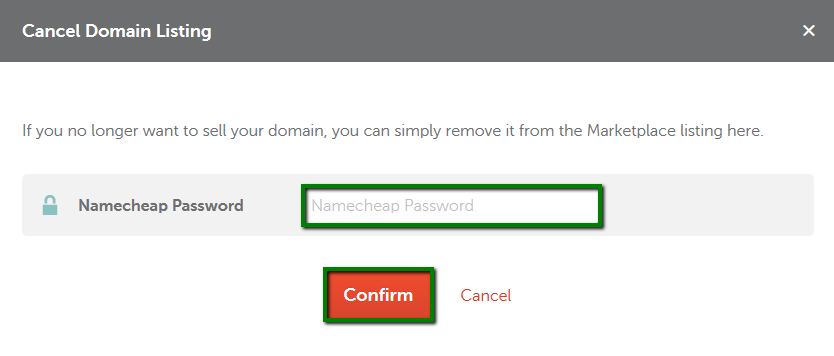
While deleting a domain on Namecheap might seem like the only option when you’re no longer using it, there are alternative options you might want to consider. These alternatives can save you time and potentially even make you money. Before you hit that delete button, let’s explore some smart choices that can help you manage your domains effectively.
Domain Transfer
Transferring your domain to another person or registrar can be a viable option if you’re no longer interested in keeping it. This could be beneficial if your domain has gained some value or if someone else is interested in using it. Transferring is straightforward on Namecheap; you just need to unlock the domain and obtain the EPP code to initiate the process.
Have you ever thought about selling your domain? Marketplaces like Sedo or Flippa can connect you with potential buyers. Not only do you avoid deletion, but you might also gain a profit. This way, your domain finds a new purpose while you gain some extra cash.
Domain Parking
Domain parking allows you to keep your domain without an active website. It’s like putting your domain in a safe place while deciding your next move. Namecheap offers easy domain parking solutions, which can also help you earn through ads if your parked page attracts traffic.
Imagine having a domain that generates passive income while you focus on other projects. Domain parking is a low-maintenance way to keep your options open. Plus, if you ever decide to use the domain again, it’s ready and waiting for you.
Deleting a domain might seem like a quick fix, but exploring these alternatives can offer more flexibility and potential benefits. Whether you choose to transfer or park, remember that your domain is an asset that can be managed creatively.
Credit: www.namecheap.com
Frequently Asked Questions
How Do I Delete A Domain On Namecheap?
Log in to your Namecheap account. Go to the “Domain List” section. Click “Manage” next to the domain you want to delete. Select the “Sharing & Transfer” tab. Choose “Cancel Domain” and confirm the deletion.
How Do I Completely Delete A Domain?
To delete a domain, log into your domain registrar account. Locate the domain management section. Select the domain you wish to delete. Follow the steps to remove the domain permanently. Confirm the deletion to complete the process.
Can You Cancel A Namecheap Domain?
You cannot cancel a Namecheap domain once registered. Domains are non-refundable due to their nature. Consider transferring or letting it expire if unwanted. Always review Namecheap’s policies before purchasing.
How Do I Permanently Delete My Namecheap Account?
Log into your Namecheap account. Contact their support via live chat or ticket. Request permanent account deletion. Confirm your identity and follow their instructions. Complete the process as guided by support.
Conclusion
Deleting a domain on Namecheap is simple with the right steps. Follow the guide carefully to avoid mistakes. Always double-check before deleting anything important. Consider if you truly want to remove the domain. Once gone, retrieving it can be hard.
Keep your account details secure and up-to-date. Regularly review your domain list to stay organized. If unsure, Namecheap support is there to help. Practice safe management of your domains. It ensures smooth operations. Remember, managing domains efficiently saves time and stress.
Make informed decisions for a hassle-free experience.


