
Are you eager to design your own WordPress theme but unsure where to begin? Creating a theme from scratch might sound daunting, but it doesn’t have to be.
Imagine having the power to craft a unique website that perfectly reflects your vision and style. With the right software tools, you can transform your ideas into reality, even if you’re not a coding expert. In this guide, we’re diving into the essentials of how to create a WordPress theme with software, breaking down the process into simple, actionable steps.
By the end of this article, you’ll discover how easy it is to bring your creative ideas to life and make your website stand out. Ready to unleash your creativity and build something amazing? Let’s get started!
Choosing The Right Software
Creating a WordPress theme is fun. There are many software options to help. WordPress Theme Builder is a popular choice. It is easy and user-friendly. Artisteer is also popular. It allows design without coding. TemplateToaster offers many templates to start with. Each tool has unique features. Choose one that fits your needs.
Think about your experience level. Beginners might need simple tools. Experts can handle complex software. Cost is another factor. Some tools are free, others are not. Check if the software offers support and tutorials. This helps when you get stuck. Look for tools with regular updates. This keeps your themes fresh and secure.

Credit: www.brizy.io
Setting Up Your Development Environment
Begin by installing WordPress on your local computer. You will need a local server like XAMPP or MAMP. These tools help run WordPress locally. Make sure to download PHP and MySQL with your server. They are crucial for WordPress. Install a text editor like VS Code or Sublime Text. These editors help you write code easily. Don’t forget to install Git for version control. It saves your work and changes.
After installing tools, set up your workspace. Create a folder for your theme files. Keep it organized. Open your text editor and link it to your theme folder. This makes coding easier. Set up a local database using your server. Connect WordPress to this database. Check if WordPress runs smoothly on your local server. Everything should be in place before starting your theme development.
Planning Your Theme Design
Think about what your theme needs. Make a list of key features. These could be colors, fonts, and layouts. Navigation menus and widgets are important too. What do users want? Ask them. Use their feedback. This helps make the theme user-friendly. Feature a responsive design. This means it works on all devices. Mobile users will thank you.
First, grab a pencil and paper. Sketch your ideas. This is your mockup. Keep it simple. Draw the homepage first. Think about where everything goes. Headings, images, and text. Then, try a design tool. Software like Figma or Sketch helps. Move your sketch to the screen. Play with colors and fonts. Change things until it feels right. Show your mockup to others. Ask for their thoughts. Make changes as needed.
Developing The Theme Structure
Crafting a WordPress theme with software involves organizing the theme’s structure efficiently. Choose a reliable tool to start building your theme’s layout. This makes it easier to customize and manage your website.
Understanding WordPress Theme Files
Every WordPress theme has important files. Each file helps the theme work. index.php is one of them. It shows your website’s main page. style.css is another file. It makes your site look pretty. There are other files too. header.php adds the top part of pages. footer.php adds the bottom part. functions.php adds special features to your theme. Learning these files is key. It helps in creating a good theme. These files work together. They build a nice website look.
Organizing Theme Folders
A WordPress theme needs folders. These folders keep things tidy. images folder holds pictures. css folder keeps style files. js folder stores scripts. templates folder has page layouts. Keeping folders neat is smart. It helps find files fast. It makes theme updates easy. Neat folders improve work flow. They make coding fun.
Styling With Css
CSS makes your website look nice. It controls colors, fonts, and spacing. You can change how things look. Use CSS to add personal style. Make sure your site matches your brand. You can make text bigger or smaller. Add color to make it pop. Move things around to fit better. CSS is like a toolbox for style.
Customizing Layout
Layouts show how things are placed. You can change the layout. Use CSS to do this. Keep important things at the top. Arrange items in a neat way. Make sure it looks good on all screens. Use grids and flexbox to help. They help organize content. Make sure the layout is easy to read. People should find things easily.
Responsive Design Techniques
Responsive design works on all devices. Phones, tablets, and computers. Use media queries in CSS. They change styles for different screens. Test your design on many devices. Ensure it looks good everywhere. Adjust images to fit screens. Keep text readable and clear. Everyone should have a good experience.
Adding Functionality With Php
PHP helps your theme show dynamic content. This means content changes based on user actions. For example, a user may see new posts each time. It makes your site interactive.
Use the_content() function. It adds the post content. Another function, the_title(), shows the post title. These functions work together to make your theme come alive.
WordPress hooks let you add or change functions in your theme. They are like little helpers. With hooks, you can change how a site works without touching the core files. This keeps your site safe.
There are two types of hooks. Action hooks let you add new code. Filter hooks let you change existing code. Use hooks to make your theme fit your needs.
Testing Your Theme
Explore creating a WordPress theme using software by testing your theme effectively. Ensure functionality and design meet your needs. A thorough testing process guarantees a seamless user experience.
Debugging Common Issues
Debugging helps find mistakes in your theme. Start with the WordPress debug mode. It shows errors in your code. Check error logs for details. Fix one error at a time. This approach helps avoid confusion. Use tools like WP_DEBUG to see warnings. These warnings point out potential problems. Always save your work before making changes. This ensures you can restore earlier versions if needed. Test your theme after each fix. It helps confirm the issue is resolved.
Cross-browser Compatibility
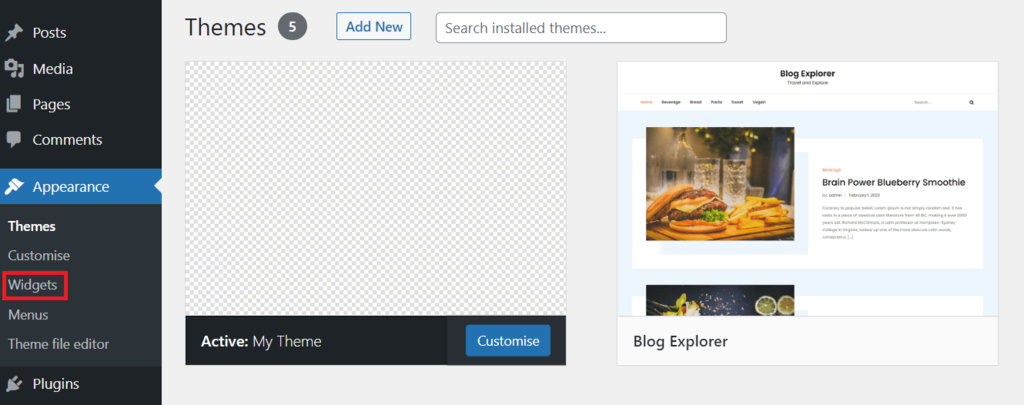
Your theme should work on all browsers. Users access websites through different browsers. Test your theme on Chrome, Firefox, Safari, and Edge. Check for any layout issues. Some features might not work on all browsers. Use online tools for compatibility checks. These tools compare how your theme looks on different browsers. Fix any discrepancies immediately. This ensures a smooth user experience.
Credit: www.hostinger.com
Optimizing For Performance
Creating a WordPress theme with software boosts site performance. Efficient code and lightweight design enhance speed and responsiveness. Customize features to meet user needs while keeping the theme streamlined.
Minifying Css And Javascript
Minifying CSS and JavaScript improves site speed. It reduces file size. Small files load faster. Fast sites keep users happy. Tools like Uglify help with JavaScript. CSS Nano works for CSS. Both remove spaces and comments. Code stays the same but is smaller.
Improving Load Times
Load times matter for user experience. Slow sites lose visitors. Use caching to speed up. Store data locally. Browsers load sites quicker this way. Compress images too. Smaller images load faster. Try tools like ImageOptim. They keep quality but cut size. Optimize databases. Clean up old data. Faster databases improve speed.
Packaging And Distributing Your Theme
Your theme needs a folder. Name it after your theme. Include all the theme files in this folder. Files like style.css, index.php, and others. Create a style.css file. Add details about your theme in it. Like the theme name and author.
Use a zip tool to compress the folder. This makes a .zip file. This is your theme package. Easy to share and upload.
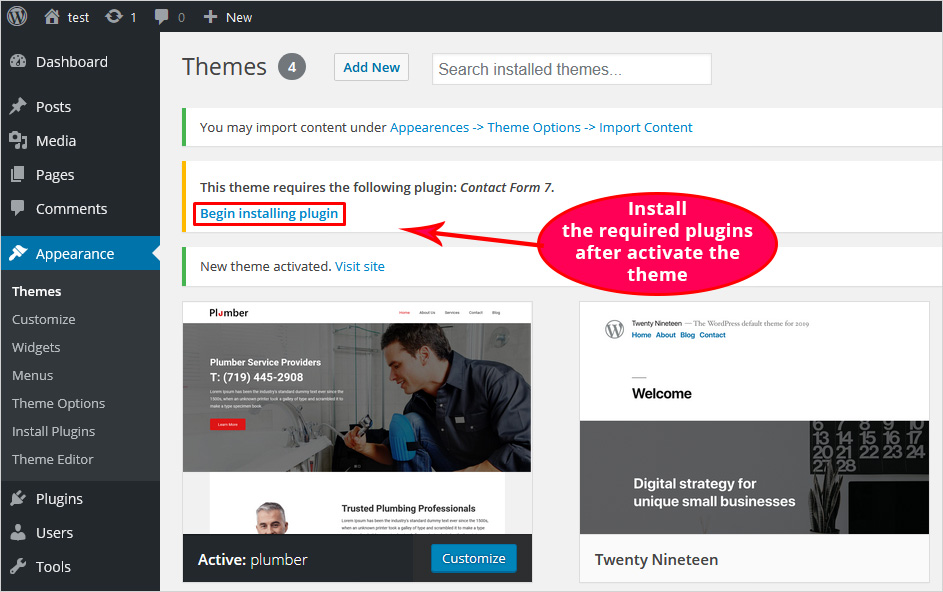
Visit the WordPress Theme Repository. Create an account if you don’t have one. Click on the “Submit Your Theme” button. Upload the .zip file of your theme. Provide the required details. Like theme name and description. WordPress will review your theme. If it meets the guidelines, they will approve it.
Credit: blog.templatetoaster.com
Maintaining And Updating Your Theme
Regular updates keep your theme fresh and secure. Always check for bugs and fix them. Updating makes the theme run smooth. Users expect themes to work well. Regular updates show you care.
Gather user feedback for improvements. Users can help you see problems. They have different needs. Listening to them makes your theme better. Make changes based on their feedback. This keeps users happy. Happy users tell others about your theme.
Frequently Asked Questions
What Software Is Needed To Create A WordPress Theme?
To create a WordPress theme, you need software like PHP, HTML, CSS, and JavaScript. Tools such as Sublime Text or Visual Studio Code are great for coding. You might also use theme frameworks like Underscores or Bootstrap to simplify development and ensure responsive design.
Can Beginners Make WordPress Themes Easily?
Yes, beginners can create WordPress themes with the right tools and guidance. Start by learning basic HTML, CSS, and PHP. Use theme frameworks to simplify the process. Online tutorials and courses can help you grasp the essentials and build your first theme efficiently.
What Steps Are Involved In Theme Creation?
Theme creation involves designing, coding, testing, and deploying. Start with a design template, then code using HTML, CSS, and PHP. Test the theme on different devices and browsers. Finally, deploy the theme to your WordPress site and refine based on feedback.
Is Coding Knowledge Necessary For Theme Creation?
Coding knowledge is essential for creating WordPress themes. Understanding HTML, CSS, PHP, and JavaScript enables customization and functionality. Even basic coding skills help modify existing themes and create unique designs. Online resources and courses can enhance your coding proficiency.
Conclusion
Creating a WordPress theme using software is achievable for everyone. With patience and practice, you can design a theme that stands out. Start with simple tools and gradually explore advanced features. Focus on user-friendly navigation and appealing design. Remember, each step brings you closer to a functional theme.
Troubleshoot issues as they arise. Don’t rush the process. Experiment with different styles. Your creativity is key. By following these steps, you can craft a unique WordPress theme. Enjoy the journey of learning and creating. Success comes with practice and dedication.
Keep refining your skills and soon, you’ll see great results.


