Are you ready to build a powerful directory website that stands out and attracts visitors? Creating a directory site with WordPress is easier than you might think—and it can open doors to new opportunities for your business or community.
In this guide, you’ll discover simple, step-by-step instructions that anyone can follow, no matter your experience level. By the end, you’ll have the tools and confidence to launch a professional directory that works exactly the way you want. Keep reading to unlock the secrets of turning your ideas into a thriving online resource!

Credit: directorist.com
Choosing A Directory Niche
Choosing the right niche is the first step to build a directory website with WordPress. Your niche defines the focus of your site and the audience it serves. Picking a clear and specific niche helps attract visitors and keeps your content relevant. It also makes your site easier to manage and market.
Take time to explore different ideas and think about what interests you. The right niche has a balance of demand and competition. Researching the market and understanding your potential users helps make a smart choice.
Analyzing Market Demand
Start by checking if people want a directory in your chosen niche. Use tools like Google Trends to see search interest. Look for keywords related to your niche and check their search volume. High search volume means more potential visitors.
Check existing directory sites to see if they serve the niche well. Note what they do right and where they lack. This helps find gaps your site can fill.
Identifying Target Audience
Know who will use your directory. Think about their age, location, and interests. Understand their problems and what they look for in a directory.
Creating a clear audience profile helps tailor your content and design. Your site becomes more useful and easier to promote to the right people.

Credit: www.elegantthemes.com
Setting Up WordPress
Setting up WordPress is the first step to build your directory website. It creates the base for your site. A smooth setup helps avoid future problems. Follow simple steps to get started quickly.
Selecting A Hosting Provider
Choose a hosting provider that fits your needs. Look for good speed and uptime. Check if they support WordPress installations. A reliable host keeps your site online and fast. Many providers offer plans for beginners. Pick one with easy WordPress setup tools.
Installing WordPress
Most hosts offer one-click WordPress installation. This saves time and effort. Use the control panel to start the install. Enter your site name and admin details. The system creates your WordPress website automatically. After installation, you get a login link. Use it to access your WordPress dashboard.
Configuring Basic Settings
Login to your WordPress dashboard. Set your site title and tagline under Settings. Choose a timezone and date format. Check your site language. Adjust permalink structure for better SEO. Permalinks make URLs clean and readable. Save all changes to update your site settings.
Picking A Directory Theme
Choosing the right theme is a key step in building a directory website with WordPress. The theme controls how your site looks and works. It affects user experience and site performance. Picking a theme made for directory sites saves time. It offers built-in features specific to listings and searches. This section explains how to pick the best theme for your directory.
Free Vs Premium Themes
Free themes are a good start. They cost nothing and are easy to find. Many free themes offer basic directory functions. They are ideal for small projects or testing ideas. Premium themes come with more features and support. They often include updates and customization options. Premium themes usually provide better design and security. Choose based on your budget and site needs.
Key Features To Look For
Look for themes with strong directory functions. Essential features include easy listing submission and search filters. Responsive design is important for mobile users. Check for map integration to show locations. User review systems add value to listings. Compatibility with popular plugins improves site flexibility. Fast loading speed and SEO optimization help your site rank better.
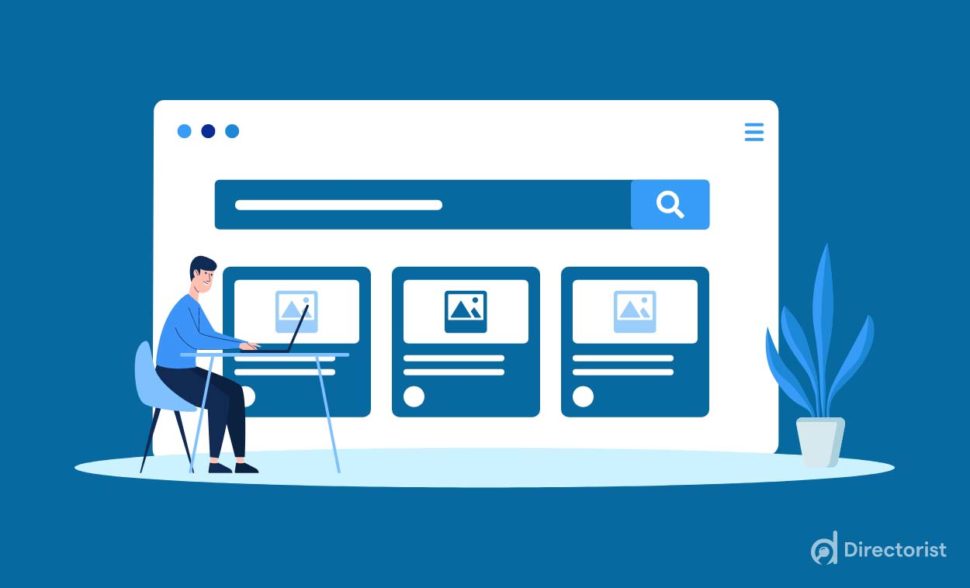
Credit: directorist.com
Installing Directory Plugins
Installing directory plugins is a key step in building your directory website with WordPress. These plugins add the necessary features and tools to display listings, manage user submissions, and organize content effectively.
Choosing the right plugin helps create a smooth experience for both you and your site visitors. It also saves time and effort in customizing your directory.
Popular Directory Plugins
Several directory plugins work well with WordPress. Some offer free versions with basic features, while others provide paid plans for advanced options.
GeoDirectory is a top choice for local business listings. It supports maps, reviews, and custom fields.
Business Directory Plugin is simple and user-friendly. It suits small to medium directories.
Another option is WP Business Directory. This plugin offers easy setup and flexible design.
Each plugin has unique strengths. Choose one that fits your directory’s purpose and budget.
Plugin Installation And Activation
Start by logging into your WordPress dashboard. Navigate to the Plugins menu and click “Add New.”
Type the plugin name in the search bar. Find your plugin in the results and click “Install Now.”
After installation, click “Activate” to enable the plugin features on your site.
Once activated, configure the plugin settings as needed. Most plugins provide setup guides or wizards.
This process takes only a few minutes and prepares your site for directory listings.
Customizing Directory Features
Customizing the features of your directory website makes it easier for users to find and share information. Tailoring these elements helps create a smooth experience. It also keeps the site organized and user-friendly. This section shows how to set up categories, create submission forms, and add search filters.
Setting Up Categories And Tags
Categories organize your directory listings into clear groups. They help visitors browse related items quickly. Tags add extra details to listings. They improve search accuracy and site navigation. Use WordPress’s built-in category and tag tools. Create main categories for broad topics. Then add tags for specific keywords. Keep categories simple and relevant. Avoid too many tags to reduce confusion.
Creating Submission Forms
Submission forms let users add listings to your directory. They collect important information like name, address, and contact details. Use form builder plugins that work with your directory theme. Design forms with clear labels and required fields. This ensures users provide complete information. Test forms to confirm they work on all devices. Simple forms encourage more submissions.
Adding Search And Filter Options
Search and filter tools help visitors find listings fast. Include a search bar for keyword queries. Add filters based on categories, tags, or locations. Filters narrow down results to match user needs. Use plugins that support customizable search options. Place search and filter tools in visible areas. This improves user experience and keeps visitors engaged.
Managing Listings
Managing listings is a key part of running a directory website. It keeps your site organized and trustworthy. You control which listings appear and maintain quality. This builds trust with visitors and users. Good management also helps your site rank better in search results.
Moderating User Submissions
User submissions bring fresh content to your directory. But not all listings are good or accurate. Moderation helps catch spam, duplicates, or wrong details. Set clear rules for submissions. Use plugins that notify you of new listings. Review each entry carefully before publishing. This keeps your directory clean and useful.
Editing And Approving Listings
Editing listings improves clarity and consistency. Fix typos, update contact info, and add missing details. Approval means you check listings meet your site’s standards. Only publish listings that fit your niche and quality rules. Use WordPress tools to edit listings easily. Regularly review older listings to keep them current. This creates a reliable and professional directory site.
Monetizing Your Directory
Monetizing your directory website brings steady income and supports growth. A well-planned strategy helps attract businesses and users. Focus on simple methods to make your site profitable. Choose options that fit your niche and audience well. Keep the user experience smooth and clear.
Paid Listings And Subscriptions
Charge businesses to list on your directory for better visibility. Offer different listing levels with varying features and prices. A free basic listing can attract many users. Premium listings provide extra benefits like featured spots or more images. Subscriptions allow businesses to pay monthly or yearly fees. This creates a reliable income stream and builds long-term relationships.
Advertising Options
Sell advertising space to businesses interested in your audience. Display banner ads or sponsored posts on your site. Use ad placements that do not disrupt user experience. Offer targeted ads based on category or location. This makes ads more valuable to advertisers. Advertising brings extra revenue without charging your users.
Optimizing For Seo
Optimizing your directory website for SEO helps it rank higher in search results. This increases traffic and attracts more users. SEO makes sure your site is easy to find and understand by search engines.
Focus on keywords and content that match what users search for. Make your pages clear and fast to improve user experience. These steps help your directory grow and succeed online.
Keyword Research For Directories
Start by finding keywords users type when searching for listings. Use tools like Google Keyword Planner or Ubersuggest. Look for terms with good search volume and low competition.
Include keywords related to your directory’s niche and locations. Think about what users want to find. Use long-tail keywords for more specific searches.
On-page Seo Tips
Place keywords in titles, headings, and descriptions. Use clear and simple URLs with relevant keywords. Add meta descriptions that summarize each page well.
Use alt text for images to help search engines understand them. Make sure your site loads quickly and works well on mobile devices. Structure content with headings for easy reading.
Maintaining Your Directory Site
Maintaining your directory site is key to keeping it useful and safe. Regular care helps avoid problems and keeps visitors happy. This part guides you through simple steps to keep your site running well.
Regular Updates And Backups
Update WordPress, themes, and plugins often. Updates fix bugs and improve security. Without updates, your site can become weak to attacks.
Back up your site regularly. A backup saves your data in case something goes wrong. Store backups in a safe place outside your website.
Monitoring Performance And User Feedback
Check your site speed and uptime daily. Slow sites lose visitors quickly. Use tools to monitor performance easily.
Listen to user feedback. It shows what works and what needs fixing. Use surveys or contact forms to collect opinions.
Frequently Asked Questions
What Is A Directory Website In WordPress?
A directory website lists businesses, services, or resources in categories. WordPress enables easy creation with themes and plugins. It helps users find information quickly through search and filters. WordPress offers flexibility, customization, and scalability for directory websites.
Which WordPress Plugin Is Best For Directory Websites?
Popular plugins include Business Directory Plugin, GeoDirectory, and Directory Pro. These plugins offer features like listings, payment gateways, and user reviews. Choose based on your website needs, budget, and ease of use. Most plugins support customization and SEO optimization.
How Do I Monetize A WordPress Directory Site?
Monetize through paid listings, featured listings, or subscription plans. You can also use ads, affiliate marketing, or sponsored content. WordPress plugins support multiple payment gateways for easy transactions. Clear pricing and value encourage users to pay for listings.
Can I Customize The Design Of My Directory Site?
Yes, WordPress themes and page builders allow full customization. You can change colors, layouts, fonts, and add custom features. Many directory plugins come with built-in design options. Customization helps match your brand and improves user experience.
Conclusion
Creating a directory website with WordPress is simple and effective. Choose the right theme and plugins carefully. Organize your listings clearly for easy navigation. Keep your content updated to attract visitors. Test your site on different devices for best results.
A well-built directory helps users find what they need fast. Start small, then grow your site step by step. Focus on user experience to keep people coming back. Your WordPress directory can become a helpful resource with patience and care.