
Are you eager to dive into the world of web services but unsure where to start with self-hosting? If you’ve ever wondered how you can consume a RESTful web service right from your own setup, you’re in the right place.
Imagine having the power and flexibility to manage your web services without relying on external hosting. This guide will walk you through the steps, breaking down technical barriers and empowering you with the knowledge to master self-hosting. You won’t just learn the ‘how’; you’ll understand the ‘why’ behind each action, making you adept at controlling your web service environment.
Get ready to unlock the potential of seamless integration and efficient service management, all within your grasp. Let’s get started, and you’ll see how simple it can be to harness the full power of RESTful services on your own terms.
Understanding Restful Web Services
RESTful web services follow a set of rules. They use HTTP methods like GET, POST, PUT, and DELETE. These methods help in communication. REST stands for Representational State Transfer. It is used to design networked applications. Every RESTful service has a unique URL. This URL is called a resource. Clients send requests to these resources. Servers send back responses. Data is often in JSON or XML format. This makes REST services flexible and easy to use.
- Stateless: Each request is independent.
- Cacheable: Responses can be stored.
- Client-Server: Separation of concerns.
- Uniform Interface: Consistent way of interaction.
RESTful services are easy to understand. They make systems scalable. REST uses standard web protocols. This ensures compatibility across different systems. RESTful services are lightweight. They consume less bandwidth. This is important for mobile apps. REST is also flexible. It supports many formats like JSON and XML. This makes integration easier. RESTful services are reliable. They handle many users at once.
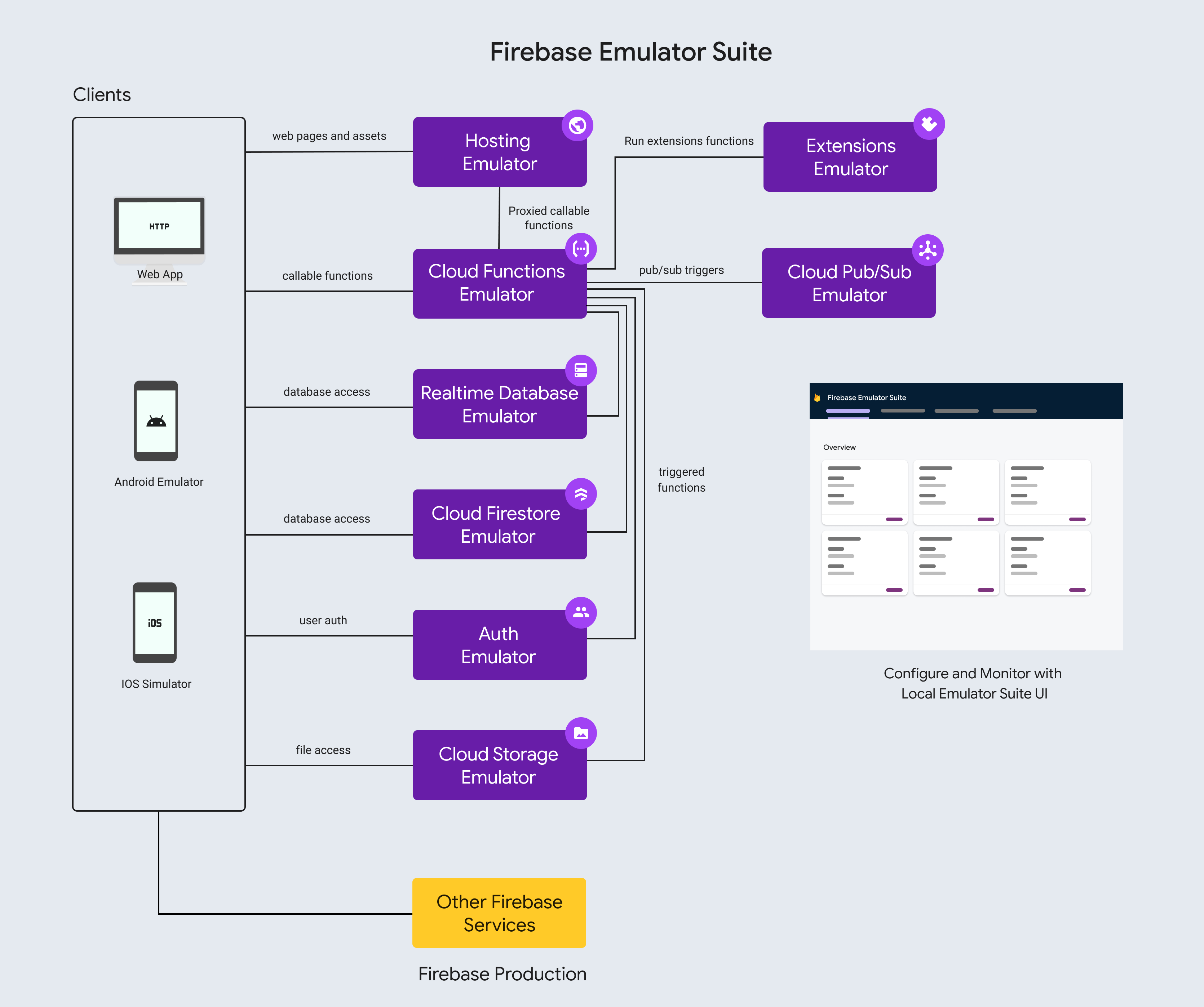
Credit: firebase.google.com
Setting Up A Self-hosted Environment
Pick the right tools for your project. Start with a reliable server. It should handle requests well. Consider using Node.js or Python. Both are good for web services. Choose a database like MongoDB or PostgreSQL. Ensure it’s compatible with your tools. Use version control like Git. It helps manage your code. Test your setup with Postman. This tool checks if your web service works.
Begin by installing the server software. Follow the instructions given. Then, set up the server environment. Ensure it has enough memory and space. Secure the server with a firewall. This keeps it safe from attacks. Configure the IP address. It helps in connecting to the server. Check the server logs. They show if there are any problems. Finally, test the server. Ensure it runs without errors.
Making Http Requests
GET requests are simple. They help you ask for data. You send a request, and the server gives you information. It’s like asking a teacher for a book. You just need to know the right address. This address is called a URL. Always check the URL before sending a request. It makes sure you get the right data. Remember, GET is just for getting things. It doesn’t change anything on the server.
POST requests are different. They help you send data to a server. Think of it like sending a letter. You write down what you want to say. Then, you send it off. The server reads your message. It might save it. Or it might use it to do something new. POST requests are great for adding new things. Always include the right information. This makes sure the server understands your message.
PUT requests help you update information. It’s like fixing a mistake in your homework. You send new data. The server replaces the old data with it. DELETE requests are for removing data. Imagine erasing a chalkboard. The server deletes the data when you ask. Always be careful with DELETE. Once data is gone, it’s hard to get back. Both PUT and DELETE make changes on the server. Use them wisely.
Parsing Json Responses
JSON is a way to store and send data. It looks like a list. The list has keys and values. Keys are like names. Values are the data. JSON is easy to read. You can find data with keys. This helps you get the right data fast.
JSON has two main parts. Objects and arrays. Objects have curly brackets {}. Arrays use square brackets []. Objects have key-value pairs. Arrays hold lists of items. Each item can be a number, word, or another object.
JSON libraries help to read JSON. They make it easy. Some popular ones are Gson and Jackson. These libraries are like tools. They help to break JSON into parts. You can then use the data in your code. Libraries save time. They also make your code clean.
Error Handling And Debugging
Navigating error handling and debugging is crucial when consuming a self-hosted RESTful web service. Identify common errors early to ensure smooth communication between the client and server. Use clear logging and debugging tools to spot issues quickly, improving the efficiency of your web service integration.
Common Http Errors
HTTP errors can break web services. The 404 error means a missing page. The 500 error signals a server problem. The 403 error blocks access. Check URLs for typos to fix 404 errors. Server logs help find 500 errors. Permissions should be checked for 403 errors. Always keep error messages simple. Users need clear info to solve issues.
Debugging Techniques
Debugging finds and fixes code issues. Start with logging. It records events in the code. Logs show error details. Breakpoints stop code to inspect values. They help find bugs easily. Code reviews catch mistakes early. They improve code quality. Testing ensures code works before launch. Keep tests simple and focused. Debugging saves time and improves reliability.

Credit: learn.microsoft.com
Security Considerations
Implementing Authentication is very important. It keeps data safe. Use usernames and passwords. This stops bad people from getting in. Use OAuth for extra safety. It is a special tool. It checks if you are who you say you are. This helps keep your information private. Always change passwords often. This makes it hard for hackers.
Ensuring Data Protection is key. Always use HTTPS. It keeps your data safe online. HTTPS protects data when it moves. It stops eavesdroppers. Encrypt all data. Encryption makes data hard to read. Only the right people can see it. Use strong encryption methods. This makes it safer. Keep software updated. Updates fix security holes. This keeps your data safe.
Optimizing Performance
Caching helps to load data faster. It stores data for future use. This reduces the need to fetch the same data again. Always cache frequently accessed data. Use in-memory caches for quick access. This reduces the time to fetch data from the server. Cache expiration ensures that data stays fresh. Set a proper expiration time for cache. This keeps the data accurate and up-to-date.
Latency is the time taken to get a response. To reduce it, use efficient algorithms. Simple and quick algorithms are best. Minimize the number of server requests. Fewer requests mean faster loading. Use compression to reduce data size. Small data travels faster on the network. Always test your service’s speed. This helps in finding slow areas.

Credit: www.globalgovernmentforum.com
Testing Your Web Service
Discover how to easily consume a self-hosted RESTful web service. Learn to test endpoints effectively with simple tools and techniques. Enhance your understanding of self-hosted services by practicing with real-world examples.
Automated Testing Tools
Automated tools help test web services fast. They save time and effort. Postman is a popular tool. It checks the service’s response. Another tool is SoapUI. It works well with different types of web services. These tools find errors quickly. They make testing easier. Automated tests can run anytime. They give reliable results. Using these tools is smart. It keeps your web service healthy.
Manual Testing Methods
Manual testing is done by a person. It checks if the web service works well. Testers use their skills to find problems. They follow steps and record results. Manual testing needs patience. It is slower than automated tests. But it can find tricky errors. Testers see the web service like real users. They ensure it meets user needs. Manual testing adds a human touch. It makes the web service better.
Frequently Asked Questions
How Do I Consume Restful Services?
Use HTTP methods like GET, POST, PUT, DELETE to interact with RESTful services. Send requests using tools like Postman or curl. Handle JSON or XML responses in your application. Ensure proper authentication and error handling. Integrate APIs smoothly for efficient data exchange.
Can Web Api Be Self Hosted?
Yes, Web API can be self-hosted using a server or hosting service. This offers greater control and flexibility. Self-hosting requires managing server resources and ensuring security measures are in place.
How Do You Expose And Consume Rest Api?
Expose REST API by defining endpoints using HTTP methods. Secure with authentication mechanisms. To consume, send HTTP requests using tools like Postman or code libraries. Parse the JSON or XML response data effectively. Implement error handling for seamless integration.
How To Consume Https Rest Service In Spring Boot?
Use RestTemplate or WebClient to consume HTTPS REST services in Spring Boot. Configure SSL settings in application. properties for secure connections. Implement error handling to manage responses effectively. Ensure dependencies like spring-boot-starter-web are included in your project for seamless integration.
Conclusion
Consuming a restful web service self-hosted doesn’t need to be complex. You’ve learned simple steps to access and use data effectively. Start by setting up your environment. Then, configure your service for optimal performance. With practice, connecting and retrieving data becomes second nature.
Stay organized and keep your code clean. Troubleshooting is easier with clear documentation. Remember, consistent testing ensures smooth operation. Embrace these methods to enhance your web service skills. You’ll be handling restful services with ease in no time. Keep learning and refining your techniques for better results.


