
Are you looking to supercharge your WordPress theme with real-time data and dynamic features? Connecting an API to your WordPress theme could be the game-changer you need.
Imagine enhancing your website with weather updates, social media feeds, or even stock market trends, all seamlessly integrated into your design. This might sound complicated, but it’s easier than you think. In this guide, you’ll discover how to make these connections effortlessly, empowering your site to deliver fresh, engaging content to your audience.
Dive in to learn the simple steps that will transform your WordPress experience and captivate your visitors like never before.
Choosing The Right Api
APIs let your WordPress theme talk to other systems. Many types exist. REST APIs are popular. They use HTTP requests. GraphQL is another type. It gives more control over data. SOAP APIs are older but still in use. Each type has its own strengths. Choose one that fits your needs.
Think about security when choosing an API. Some APIs need authentication. Check if the API supports your data format. JSON is common. Look at the documentation. Good docs make things easier. Consider the rate limits. Some APIs restrict how often you can call them. Make sure the API works well with your theme.
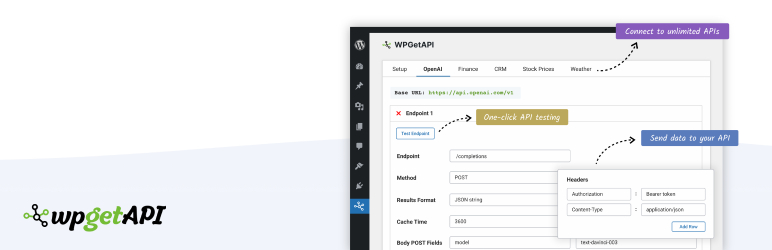
Credit: wordpress.org
Setting Up Api Access
API keys are important. They let your WordPress theme talk to the API. First, visit the API’s website. Sign up for an account. Fill in your details. After signing up, find the API keys section. Click to generate new keys. Save them in a safe place. You need them later.
Permissions are like gates. They control what your API can do. Go to the settings page on the API website. Look for the permissions tab. Choose what actions your API can perform. Set read and write permissions carefully. Always think about security. Only give access to what is needed. Save your settings once done.
Installing Necessary Plugins
Using plugins makes API integration simpler. Some plugins work well with WordPress. WP REST API is a good choice. It helps in creating custom endpoints. Advanced Custom Fields plugin is useful too. It allows adding extra fields easily. Postman is another option. It helps in testing API responses. These plugins make API tasks easier and faster.
Go to WordPress dashboard. Find the Plugins section. Click on Add New. Search for the desired plugin. Click Install Now on the plugin. Wait for the installation to finish. Click Activate to enable the plugin. Repeat these steps for each plugin. Ensure all plugins are up to date. This ensures smooth API integration.

Credit: www.youtube.com
Theme Customization For Api
The functions.php file helps add new features. Open it using a text editor. It’s in your theme folder. Add the API code here. Ensure each code line is correct. This avoids errors. Save changes after editing. Check your site to see changes.
An API endpoint allows data exchange. Go to the functions file. Add endpoint code here. Use the register_rest_route function. It defines your endpoint. Set your endpoint URL clearly. Test the endpoint after saving. Ensure it sends and receives data well.
Fetching Data From Api
WordPress HTTP API helps in connecting to APIs. It uses simple functions. wp_remote_get() is one of them. This function fetches data from APIs. Use it with a URL for data.
Another function is wp_remote_post(). It sends data to APIs. Both functions are very easy to use. They make API work simple.
Handling responses is important. Check if the response is good. Use is_wp_error() to do this. It finds errors in responses.
Get the data using wp_remote_retrieve_body(). This function fetches the main content. It is easy to understand. You can use it to find useful information.
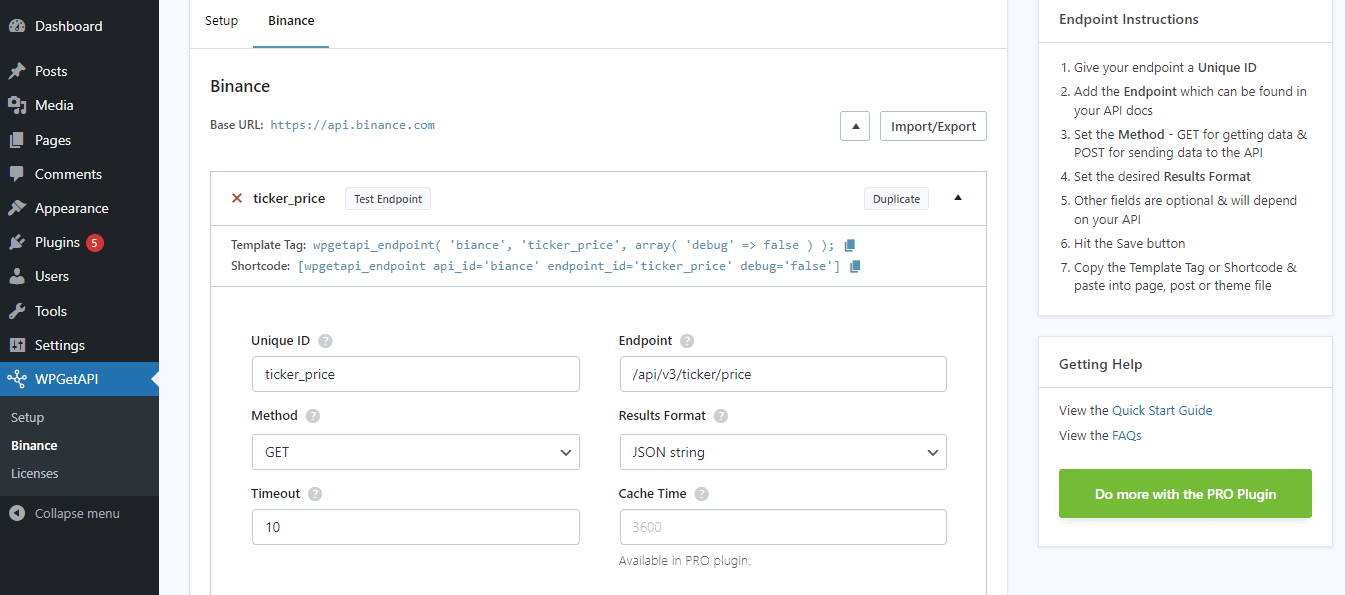
Credit: wpgetapi.com
Displaying Api Data In Theme
Seamlessly integrate API data into a WordPress theme to enhance user experience and functionality. By connecting APIs, you can fetch dynamic data directly onto your website, offering real-time updates and a personalized touch. This process involves a few simple steps and requires minimal coding knowledge.
Creating Custom Shortcodes
Custom shortcodes help show data from an API. They are small codes. You place them in posts and pages. This makes displaying the data easy. Shortcodes save time. They also make the process neat. With shortcodes, adding API data feels simple. They help keep the site tidy. They are like magic words for your theme.
Utilizing Widgets And Blocks
Widgets and blocks display API data on your site. They are tools in WordPress. They make your theme interactive. Widgets sit in sidebars. Blocks can be placed in any post. Both make the theme look nice. They help show data in a clear way. Use them to enhance your theme. They are easy and helpful.
Troubleshooting Common Issues
Connecting an API to a WordPress theme can be tricky. Ensure your API keys are correct and use a reliable plugin. Check theme compatibility and update settings for smooth integration.
Resolving Api Connection Errors
API connection errors can be annoying. First, check the API keys. They must be correct. Look for typing mistakes. Keys are case-sensitive. Next, ensure the URL is right. It should match the API documentation. Verify the server settings. Sometimes, the server blocks connections. Check the firewall. Adjust settings if needed. Lastly, check the permissions. Your theme must have the right permissions to access the API. Fix these issues to resolve errors.
Debugging Data Display Problems
Data display problems can be confusing. Start by checking the API response. Use a tool like Postman. Ensure the data comes correctly. Next, review the theme code. The code must process the data right. Look for errors in the code. Sometimes, the data format is wrong. Convert the data into the correct format. Use JSON or XML. Finally, check your WordPress settings. Sometimes plugins interfere. Disable them temporarily to test. Follow these steps to fix display issues.
Best Practices For Api Integration
Connecting an API to a WordPress theme enhances functionality effortlessly. First, install the necessary plugins for API integration. Next, configure the API keys in the settings. Finally, test the connection to ensure smooth operation and seamless user experience. This process strengthens your website’s capabilities with minimal technical hurdles.
Ensuring Data Security
Keep data safe with secure connections. Use HTTPS for all API calls. Always authenticate users with tokens or keys. Never store sensitive data without encryption. Limit access to API endpoints. Check user permissions regularly. Update security patches often. Monitor unusual activities.
Optimizing Performance
Speed matters. Use caching to reduce load times. Limit data size in API responses. Only request necessary data. Optimize your server settings. Use efficient algorithms for processing. Reduce calls to the API if possible. Keep code clean and simple. Test performance regularly.
Frequently Asked Questions
What Is An Api In WordPress?
An API in WordPress allows external apps to interact with your website. It enables data exchange between your WordPress site and other platforms. This integration enhances functionality and automates tasks. APIs are essential for developers to extend WordPress capabilities seamlessly.
How To Find Api Documentation For WordPress?
You can find WordPress API documentation on the official WordPress Developer Resources site. This site provides comprehensive guides and examples. It includes detailed instructions for REST API usage, endpoints, and authentication. Accessing this documentation helps in integrating APIs effectively.
Can I Connect Any Api To WordPress?
Yes, you can connect almost any API to WordPress. Ensure the API is compatible and provides necessary endpoints. Use plugins or custom code for integration. Proper configuration and authentication are crucial for seamless API connections.
Why Integrate An Api With A WordPress Theme?
Integrating an API with a WordPress theme enhances functionality and user experience. It allows dynamic content fetching and real-time updates. APIs enable features like social media feeds, payment gateways, and more. This integration makes your website more interactive and efficient.
Conclusion
Connecting an API to a WordPress theme is manageable. Follow the steps carefully. Ensure your theme supports customization. Test the API integration thoroughly. Check for errors and fix them promptly. Use reliable plugins if needed. Secure your site during the process.
Keep your code clean and organized. Stay updated with API changes. Explore more resources for better understanding. Learning new skills takes time. Don’t rush; patience is key. Practice regularly to improve. Ask for help if stuck. Enjoy the newfound functionality on your site.
Happy coding!


