
Are you feeling overwhelmed by the thought of configuring your WordPress theme? You’re not alone.
Many people dive into WordPress with excitement, only to find themselves puzzled by the endless customization options. But here’s the secret: configuring your WordPress theme doesn’t have to be a daunting task. In fact, with the right guidance, you can transform your website into a stunning, functional masterpiece that perfectly aligns with your vision.
Imagine the satisfaction of seeing your site reflect your unique style and purpose, drawing visitors in and keeping them engaged. This guide will walk you through every step, ensuring you have the confidence and knowledge to make your WordPress theme work for you. Don’t miss out on unlocking the full potential of your website! Keep reading to discover how easy it can be to configure a WordPress theme.
Choosing The Right Theme
Selecting the ideal theme makes configuring a WordPress theme easier. Consider design, features, and compatibility for your needs. A well-chosen theme enhances functionality and aesthetics.
Identify Your Needs
Think about what your website needs. Is it a blog, a shop, or a portfolio? Different themes suit different purposes. Make a list of features you need. This helps in narrowing down choices. Consider your audience too. What do they like? Keep them in mind when picking a theme.
Explore Theme Options
Visit the WordPress theme directory. Many themes are free. There are also paid themes. Look at the ratings and reviews. They tell you if a theme is good. Preview the theme to see how it looks. Choose themes that are updated often. This ensures they work well with new WordPress versions.
Check Theme Compatibility
Ensure the theme works with your plugins. Compatibility is key. A theme may look nice but not work with your plugins. Test the theme on different devices. Check if it is responsive. A responsive theme looks good on phones and tablets too. Check browser compatibility. Make sure it looks right in all browsers.

Credit: kinsta.com
Installing The Theme
Open your browser. Type your website’s URL. Add “/wp-admin” at the end. Press enter to load the page. Enter your username and password. Click the login button. You will see the dashboard. This is where you will manage your site.
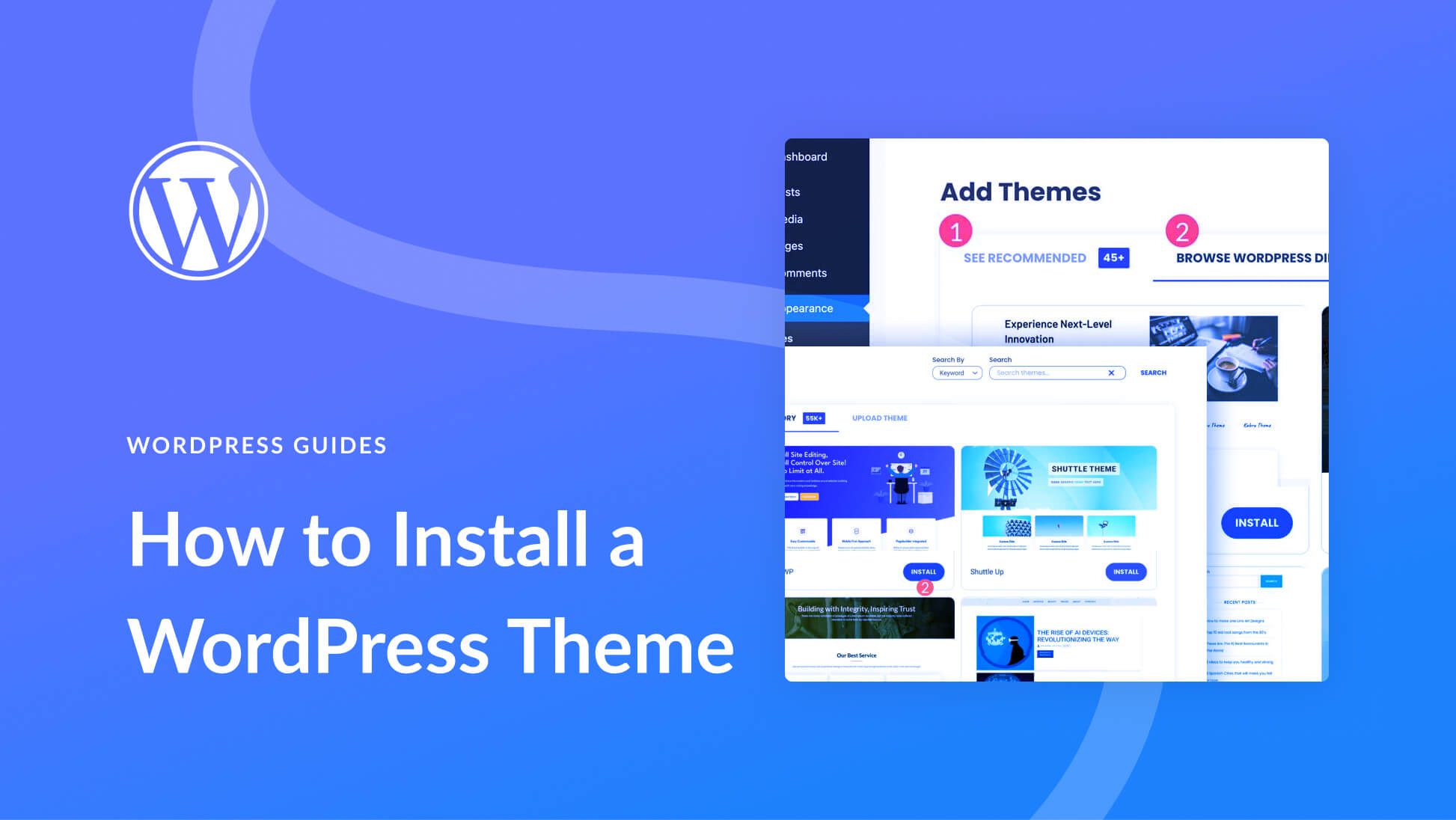
Go to the Appearance section. Choose Themes from the menu. Click on Add New at the top. Select Upload Theme. Click Choose File. Find the theme file on your computer. Select it. Click Install Now to upload.
Find the theme you uploaded. Hover over it. Click the Activate button. Your website will now use this theme. Check your site. Make sure it looks good. Adjust settings if needed. Enjoy your new theme.
Customizing Theme Settings
The WordPress Customizer is a simple tool. It helps you change your site. You can see changes live. This makes it easy to use. You can find it under the “Appearance” menu. Click on “Customize” to start. This opens the customizer panel. Here, you can make changes quickly.
Your site’s identity is important. It shows who you are. You can add a site title and tagline. These help people know your site. You can also add a logo. This gives a personal touch. Logos are small images. They sit at the top of your site. Make sure it looks nice.
Colors and fonts make your site look good. Choose a color scheme that fits your style. You can change colors for backgrounds and text. Fonts are also important. They change how your words look. Pick fonts that are easy to read. Your site will look better with nice fonts.

Credit: www.shoutmeloud.com
Configuring Layout And Design
Start by choosing a theme. It gives your site its look. Go to the WordPress dashboard and click on Appearance. Select Themes. Choose one that fits your style. Now, go to Settings and click on Reading. Select a static page for the homepage. This helps in displaying the content you want.
Menus help people find things on your site. Go to Appearance and select Menus. Create a new menu and add items. You can add pages, posts, and links. Arrange them in the order you like. Save the menu. Assign it to a location, like the main menu.
Widgets add features to your site. Go to Appearance and click on Widgets. Drag and drop the widgets into your sidebar or footer. Add a search bar, recent posts, or a calendar. Each widget can be customized. Click on the widget to make changes. Save your settings when done.
Enhancing Functionality
Plugins make your site better. They add new features. You can find plugins in the WordPress dashboard. Click on “Plugins” and “Add New”. Search for the plugin you need. Install it with one click. Activate it to use the new feature. Always check plugin ratings before installing. Make sure they are updated regularly.
Social media links help your site grow. Add them to your theme easily. Go to the “Appearance” menu. Select “Widgets”. Drag the “Social Media” widget to your sidebar. Enter your social media URLs. Save changes to update your site. Your visitors can now follow you. Share your site on social media often. It brings more visitors.
SEO makes your site visible. Use plugins like Yoast for SEO help. Install and activate the plugin. Use keywords wisely. Write good titles and descriptions. Keep them short and clear. Check your site speed. Fast sites rank better. Update your content often. Fresh content is good for SEO.
Credit: www.elegantthemes.com
Ensuring Mobile Responsiveness
Testing your site on many devices is key. Phones, tablets, and laptops all display content differently. Check how your theme looks on each one. Ensure text is big enough to read. Pictures should adjust to screen size. Test buttons to see if they are easy to click. The goal is for every user to have a good experience.
Find your WordPress theme settings. Look for mobile options. Adjust text size and button position if needed. See if there are options for responsive images. This means pictures change size on different screens. Save changes and check your site again. Keep improving until your site looks great on every device.
Troubleshooting Common Issues
Broken layouts can be frustrating. Check the theme settings first. Sometimes settings are wrong. Review your CSS for errors. Small mistakes can break layouts. Try switching themes temporarily. This helps find issues. Update your theme to the latest version. Updates fix many problems. Check your browser. Some browsers show things differently.
Plugins can cause conflicts. Deactivate all plugins first. Then activate them one by one. This helps find the problem plugin. Update plugins regularly. Old plugins may conflict with themes. Read plugin documentation. Some plugins need special settings. Use a staging site. Test plugins there first. Contact plugin support if needed. They can provide help.
Slow sites are annoying. Use a caching plugin. Caching speeds up your site. Optimize images. Large images slow loading. Minimize CSS and JavaScript. Smaller files load faster. Check your hosting. Some hosts are faster. Use a content delivery network. CDNs speed up global access. Monitor your site’s speed regularly. Tools can help with this.
Maintaining And Updating The Theme
Keeping your WordPress theme updated is very important. Updates fix bugs and add new features. They also improve security. Check for updates every month. If there is an update, install it. This keeps your site running well.
Always back up your site before making changes. Backups save your site’s data. If something goes wrong, you can restore it. Use a plugin for easy backups. Set it to back up automatically. This way, you always have a recent copy.
Watch your site’s performance regularly. A fast site keeps visitors happy. Use tools to check site speed. If the site is slow, find out why. Fix issues to improve speed. Keep your site quick and responsive for users.
Frequently Asked Questions
How Do I Install A WordPress Theme?
To install a WordPress theme, log into your dashboard. Navigate to “Appearance” and click “Themes. ” Choose “Add New” and search for a theme. Click “Install” and then “Activate” to apply the theme. This will change your site’s appearance based on the theme’s settings.
Can I Customize My WordPress Theme?
Yes, you can customize your WordPress theme easily. Use the “Customizer” under “Appearance” to make changes. You can adjust colors, fonts, and layout. Some themes offer additional customization options. Always check the theme documentation for specific features and customization tips.
How To Update A WordPress Theme?
Updating a WordPress theme is simple. Go to “Dashboard,” then “Updates. ” If a theme update is available, you’ll see it listed. Click “Update” next to the theme. This ensures you have the latest features and security fixes. Always backup your site before updating.
What If My Theme Breaks My Site?
If a theme breaks your site, try switching to a default theme like “Twenty Twenty-One. ” Check for theme compatibility issues with plugins. Review error messages for clues. Restore from a backup if needed. Consider contacting theme support for assistance.
Conclusion
Configuring a WordPress theme is simple with the right steps. Start by choosing a theme that fits your site’s purpose. Customize colors, fonts, and layouts to match your style. Add widgets for functionality and adjust menus for easy navigation. Regularly update your theme to keep it secure.
Test your site on different devices to ensure responsiveness. Remember, a well-configured theme enhances user experience. It helps visitors understand your content better. Follow these steps to create a professional-looking website. Enjoy the process and watch your site grow!


