
Are you frustrated with an old WordPress theme that just doesn’t fit your vision anymore? Or maybe you’re facing technical hiccups because of an outdated theme?
Whatever the reason, you’re not alone in wanting to completely remove a WordPress theme. But here’s the catch: doing it right is crucial to avoid any hiccups or potential data loss. This guide will walk you through every step to ensure a seamless transition.
Get ready to reclaim your website’s look and functionality, ensuring it aligns perfectly with your goals. Stick around to learn how you can effortlessly make this change without breaking a sweat.

Credit: jetpack.com
Preparation Steps
Creating a backup is crucial. It saves your work. Use a plugin for this. Plugins are easy. Try UpdraftPlus or BackWPup. They are popular. They save your site files. They also save your database. Store backups in a safe place. You can use cloud storage. Google Drive or Dropbox are good options. This ensures your data is safe.
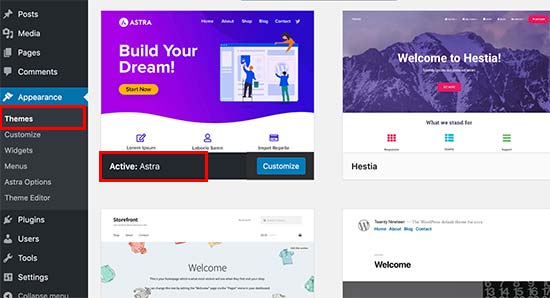
Find out your current theme name. Go to your dashboard. Click on Appearance. Then click Themes. Your active theme is on top. Note its name. It helps in troubleshooting. Note the theme version too. This is important. Knowing these details helps. It makes the process easier. Ensure you have all the details noted.
Deactivating The Theme
Start by logging into your WordPress dashboard. Navigate to the Appearance section. Click on Themes. Here, you will see all installed themes. Choose a default theme like Twenty Twenty-One. Click Activate to switch to it. This ensures your previous theme is not active.
After activating the default theme, check if the old theme is deactivated. Go back to the Themes section. Make sure the previous theme is not active. You can also delete it if you want. Click on the theme details. Press the Delete button. This step is crucial to fully remove the theme.
Removing Theme Via Dashboard
Easily remove a WordPress theme via your dashboard. Navigate to “Appearance,” click “Themes,” and choose “Delete” under the inactive theme. Ensure it’s not your active theme first. This simple process helps keep your website clean and organized.
Access Appearance Settings
Start by logging into your WordPress dashboard. Locate the Appearance tab on the left menu. Click it to see different options. Find the Themes option and select it. You will see a list of installed themes. Hover over the theme you want to remove. A button labeled Theme Details will appear. Click this button to open details about the theme.
Delete Theme Files
In the theme details window, look for a Delete button. It is usually at the bottom right corner. Click the Delete button to remove the theme. A confirmation box will pop up. Press OK to confirm deletion. This action will delete theme files from your WordPress. Make sure you do not delete your active theme. Only delete themes you are not using.
Deleting Theme Via Ftp
Connect to the server using an FTP client like FileZilla. You will need your server’s IP address, username, and password. Enter these details in the client to access your website files. Once connected, you will see a list of folders and files.
Navigate to the theme folder. Look for a folder named ‘wp-content’. Click to open it. Inside, find another folder called ‘themes’. This is where all your theme files are stored. Open this folder to see your current themes.
Remove the theme directory you wish to delete. Right-click on the theme folder you want to remove. Choose the ‘delete’ option. This will permanently remove the theme from your server. Be careful, as this action cannot be undone. Always ensure you want to delete the theme before proceeding.
Using A File Manager Plugin
Start by finding a File Manager Plugin in WordPress. This tool helps you see all your files. Choose a plugin with good ratings. Click the install button. After installation, activate the plugin. Now you can use it to manage your files.
Open the file manager. Look for the wp-content folder. Inside, find the themes folder. This folder holds all theme files. Search for the theme you want to remove. Ensure it’s the correct theme before you proceed.
Once you find the theme, it’s time to delete. Right-click on the theme folder. Select the delete option. Confirm the action. The theme files will be removed. Be careful not to delete important files. Your site needs them to work well.
Cleaning Up Database
Start by finding all theme-related entries in your database. Use a database tool like phpMyAdmin. Search for your theme name. Look in tables for options, posts, and meta. Check each entry carefully. Some entries might be hidden. Keep a list of entries you find. Double-check your list. It’s important not to miss any.
After finding entries, delete them one by one. Be careful when deleting data. Make sure to only remove theme-specific entries. Other data is important for your site. Accidentally deleting can cause issues. Backup your database first. This will help in case of mistakes. Once done, your database will be cleaner.
Verifying Theme Removal
After removing a theme, visit your site. Look for any errors or missing parts. Make sure everything loads correctly. Check the menu, pages, and posts. Ensure the design and layout look fine. Broken links may indicate issues. Test important functions like forms. If something doesn’t work, you may need to fix it.
Open your WordPress files using an FTP client. Navigate to the wp-content/themes folder. Look for the theme you removed. Ensure it’s no longer there. If the theme files are still present, delete them manually. This ensures no leftover files remain. Keeping your files clean helps your site run better.
Credit: www.wpbeginner.com
Troubleshooting Common Issues
Error messages can be tricky. They often stop your work. Identify the error first. Check the message carefully. Some errors show up due to plugins. Deactivate plugins one by one. See if the error goes away. Another reason could be theme conflicts. Try switching to a default theme. Check logs for more details.
Backups are important. They save your work. Restore from backup if things go wrong. Make sure you have the latest backup. Use your hosting panel. Find the backup option. Select the latest backup. Click restore. Wait for it to finish. Check if your site works well. Always keep a backup. It’s your safety net.

Credit: wpmarmite.com
Frequently Asked Questions
How To Uninstall A WordPress Theme?
To uninstall a WordPress theme, go to your dashboard. Navigate to ‘Appearance’ and click on ‘Themes’. Hover over the theme you want to remove and click ‘Theme Details’. You’ll see the option to delete the theme at the bottom-right corner.
Confirm the deletion and the theme will be completely removed.
Can I Delete Unused WordPress Themes?
Yes, deleting unused themes helps optimize your site. Go to ‘Appearance’ and ‘Themes’ in your dashboard. Select the theme you want to delete and click ‘Theme Details’. You’ll find a delete option at the bottom-right corner. This action frees up server space and enhances site performance.
What Are The Steps To Remove Theme Files?
Removing theme files involves accessing your server. Use an FTP client or your hosting’s file manager. Navigate to wp-content/themes and locate the theme folder. Delete the folder to remove all theme files. Ensure you have a backup before proceeding to avoid accidental data loss.
Does Deleting A Theme Affect My Site?
Deleting a theme doesn’t affect your site if it’s not active. Make sure you have another theme active before deletion. Removing inactive themes is beneficial for site security and performance. Always backup your site before making changes to prevent data loss or site issues.
Conclusion
Removing a WordPress theme doesn’t have to be difficult. Follow the steps carefully for a clean removal. Start with deactivating the theme. Then, delete it completely from your dashboard. Check for leftover files or data. Use FTP if needed. Don’t forget to clear your cache.
This ensures a fresh start. Keep your site safe and fast. Regularly review themes and plugins. Update them or remove unused ones. Your website will run smoothly. Enjoy a clutter-free WordPress experience. Stay organized and keep your site optimized. Happy blogging!


