
Are you finding it tricky to change the text in your WordPress theme? You’re not alone.
Many users face this exact challenge, and it can be frustrating when your website doesn’t quite reflect your brand’s voice or message. But don’t worry, we’re here to help! Imagine the satisfaction of having a website that truly resonates with your audience, with every word perfectly aligned to your vision.
In this guide, you’ll discover simple steps to easily tweak and customize the text in your WordPress theme. Whether you’re a beginner or a seasoned WordPress user, this post will empower you to take control of your website’s appearance and make it uniquely yours. Dive in to unlock the secrets to transforming your online presence, and see how these changes can captivate your visitors and boost your engagement.
Credit: www.elegantthemes.com
Choosing The Right Tools
Picking the correct text editor is essential. It helps you change theme text easily. Many editors are available. Some are simple, like Notepad. Others offer more features, like Sublime Text. Beginners may prefer Notepad. It is straightforward. Advanced users might choose Sublime Text. It offers syntax highlighting. This makes code easy to read.
Reading the theme documentation is important. It provides guidance on changes. Documentation explains how themes are structured. It offers tips on editing. You learn about files to edit. Instructions are often clear. Following them prevents mistakes. Documentation can be found on theme websites. It is usually free. Sometimes, it comes with themes.
Credit: www.ryrob.com
Locating Theme Files
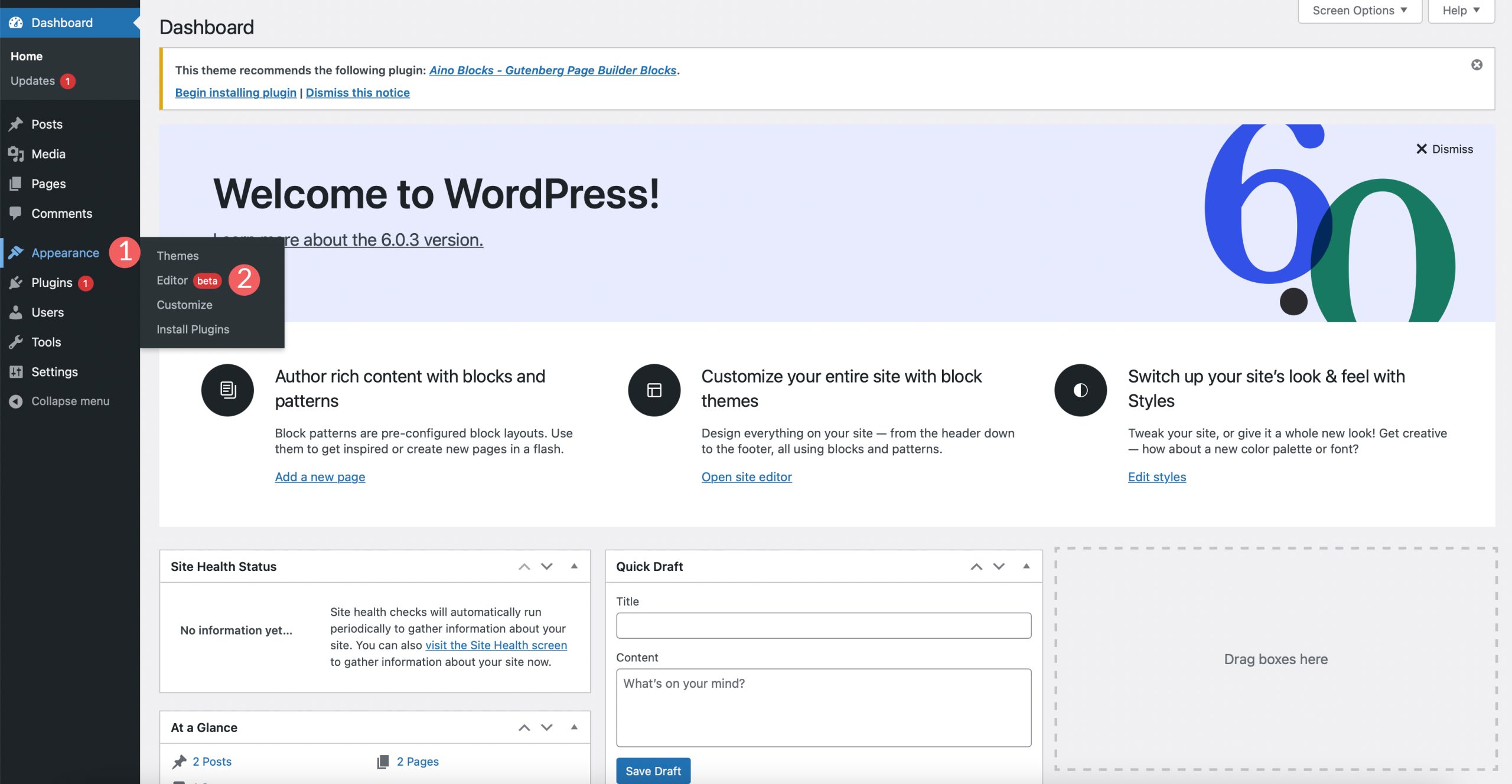
First, open your WordPress dashboard. Find the Appearance menu. Click on it. Select Theme Editor. This shows your theme files. Files are often in folders. Look for the style.css file. Or the functions.php file. These files are important. They change your theme’s look.
Inside the theme directory, find templates. Templates hold your site’s layout. Check for header.php and footer.php files. These files change the top and bottom of your site. Single.php changes posts. Page.php changes pages. Search for files with text you want to change. Use a text editor for easy reading.
Editing Theme Text
Open the WordPress Customizer from your dashboard. Look for the Customize option under Appearance. Click it. Find the Theme Options or Site Identity. Change the text fields. Make sure changes are saved. Use the Publish button. This updates your site. Check your site for updates.
Access your theme files through the File Manager or FTP. Find the functions.php or style.css file. Open it. Look for the text you want to change. Edit it carefully. Save the file. Refresh your site. Changes will be visible. Always back up files before editing. Mistakes can break your site.
Translating Theme Text
Translation plugins help change text in WordPress themes. They are easy to use. Popular plugins are WPML and Polylang. These plugins have many features. Users can add new languages. Also, they can edit existing words. Plugins usually have simple interfaces. This makes them good for beginners. Some plugins are free. Others need payment for all features. Always pick a plugin that meets your needs. Remember, plugins can slow down your site. Choose wisely to keep your site fast.
Manual translation means changing text by hand. This method is very direct. Users need to find text files in theme folders. These files are often in .po and .mo formats. Editing these files changes the theme text. Many users use software like Poedit for this task. It is important to save backups before changes. Editing files can break the theme. Always test changes on a safe version. This keeps your live site safe from errors.
Child Themes For Customization
Changing WordPress theme text is easier with child themes. They allow safe customization without altering the original theme. This method ensures updates won’t erase changes, making it ideal for personalizing your website’s appearance.
Creating A Child Theme
Child themes help you change your WordPress theme. They are safe for customization. A child theme protects original theme files. Creating one is easy. First, make a new folder in your themes directory. This folder is for your child theme. Inside, create a style.css file. Add template details in this file. The child theme needs a functions.php file too. Use this file to enqueue the parent theme’s styles. Now, you can change the theme safely.
Overriding Parent Theme Files
Child themes allow file changes. You can override parent theme files. Copy the file you want to change. Place it in your child theme folder. Make changes here. The parent theme file stays untouched. This method is safe. It keeps your changes even after updates. Always test your changes. Broken files can cause issues. Use a code editor for edits. It makes the process easier.
Testing Changes
Previewing Modifications is important to see your changes. Click on the “Preview” button. This shows how your website will look. It helps find mistakes before going live. Check the color and style. Make sure they match your idea. Look at the font size and type. They should be easy to read.
Ensuring Mobile Responsiveness is vital. Most people use phones to browse. Your site must look good on phones. Use the “Responsive Design” tool. It shows how your site looks on different screens. Make sure buttons are easy to click. Text should fit the screen well. If something looks wrong, fix it before publishing. Good mobile design makes users happy. It helps them stay longer on your site.
Backup And Restore
Always save your theme files before changes. These files are important. Use FTP or your hosting panel. Copy theme files to your computer. This keeps them safe. Backing up helps if things go wrong. Save every version you change. Stay organized with folders. Name them by date or version.
Restore old files if needed. First, find your backup files. Check dates to find the right version. Upload them using FTP or hosting panel. Replace the current theme files. Restoring fixes mistakes easily. Make sure to check your website after restoration. Ensure everything works as expected.
Credit: themeisle.com
Frequently Asked Questions
How Do I Change Theme Text In WordPress?
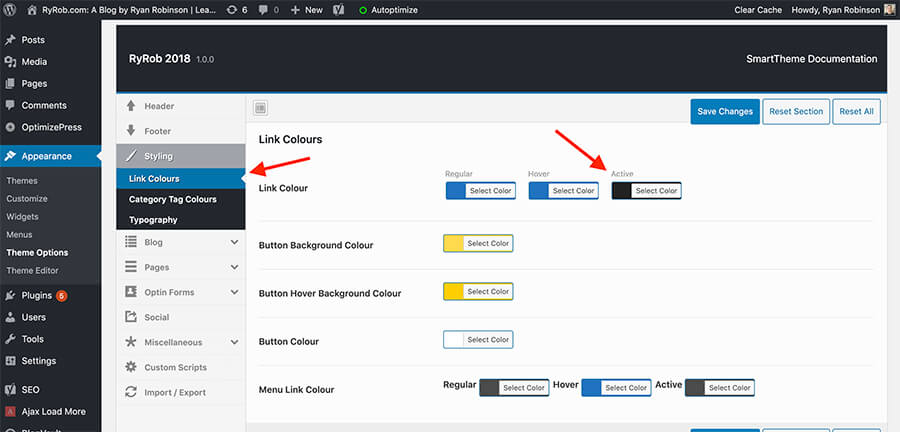
To change theme text in WordPress, navigate to the “Customizer” under “Appearance. ” Look for the “Typography” or “Theme Options” section. Here, you can modify fonts, sizes, and colors. Some themes may require additional plugins or custom CSS for advanced text changes.
Always preview your changes before saving.
Can I Edit Theme Text Without Coding?
Yes, many WordPress themes offer built-in customization features. Use the “Customizer” for basic text changes like font, size, and color. If your theme lacks these options, consider installing plugins like “YellowPencil” or “WPBakery. ” These tools provide a user-friendly interface for more detailed text editing without coding.
Which Plugin Is Best For Text Changes?
“YellowPencil” and “WPBakery” are popular plugins for text customization. They offer intuitive interfaces for editing text styles without coding. “Elementor” is another excellent choice for comprehensive design changes. These plugins provide flexibility, allowing you to refine your theme text easily and enhance your site’s appearance.
Do All Themes Support Text Customization?
Not all themes offer extensive text customization options. While many modern themes include built-in settings for text changes, some may require additional plugins or custom coding. Check your theme documentation for details. You can also use CSS to modify theme text if built-in options are limited.
Conclusion
Changing WordPress theme text is easy with the right steps. Start by accessing your WordPress dashboard. Navigate to the theme editor or use a child theme. Carefully edit the text in the files. Always preview changes before saving them. This ensures everything looks correct.
Backup your site to prevent data loss. Seek help if needed. Many forums and guides are available online. With patience, you can personalize your site effectively. Enjoy the new look and feel. Your unique touch can make your WordPress site stand out.


