
Are you concerned that your WordPress theme might be hiding malicious code? You’re not alone.
Many website owners overlook the possibility of threats lurking within their themes, potentially jeopardizing their site’s security and performance. But what if there was a way to ensure your website is safe without needing to be a tech wizard? In this guide, you’ll discover straightforward steps to check for viruses in your WordPress theme, safeguarding your online presence.
So, if you want peace of mind and to protect your site from hidden dangers, keep reading. Your website deserves a clean bill of health, and we’re here to show you how to achieve it effortlessly.
Importance Of Theme Security
Keeping your WordPress theme secure is very important. A virus in a theme can cause big problems. It can slow down your website. It might even steal personal data. That’s why it’s key to check themes for viruses. Regular checks help keep your site safe. Using trusted themes is also important. It reduces the risk of viruses. Always update your theme. Updates often fix security issues. This keeps your site more secure.
Installing a security plugin can help too. These plugins scan your theme for problems. They alert you if they find anything bad. Always be careful when choosing a theme. Make sure it comes from a reliable source. This can stop many issues before they start. Remember, a secure theme keeps your website safe and strong.

Credit: www.youtube.com
Common Virus Symptoms
Slow loading speed can be a sign of a virus. Unexpected pop-ups annoy users. Strange links may appear on your site. Your site might redirect to unfamiliar pages. Unwanted ads can clutter your pages. Search engine rankings may drop suddenly. Files might disappear or change without notice. Unauthorized access can happen. Unexpected errors disrupt normal functions. Theme code could be altered. Security alerts warn of possible threats. Server overloads might occur. Data breaches risk user information. Site crashes can be frequent. Spam content may appear in your posts.
Pre-check Preparations
Always backup your site before making changes. This protects your data. Use plugins or manual methods to save your files. Store these backups in a safe place. A backup ensures you can restore your site if needed. It acts as a safety net. Never skip this step.
Keep your WordPress updated to the latest version. This includes plugins too. Updates fix bugs and enhance security. Outdated software can have vulnerabilities. These can be exploited by viruses. Regular updates reduce this risk. Always check for updates regularly.
Credit: theme4press.com
Manual Inspection Techniques
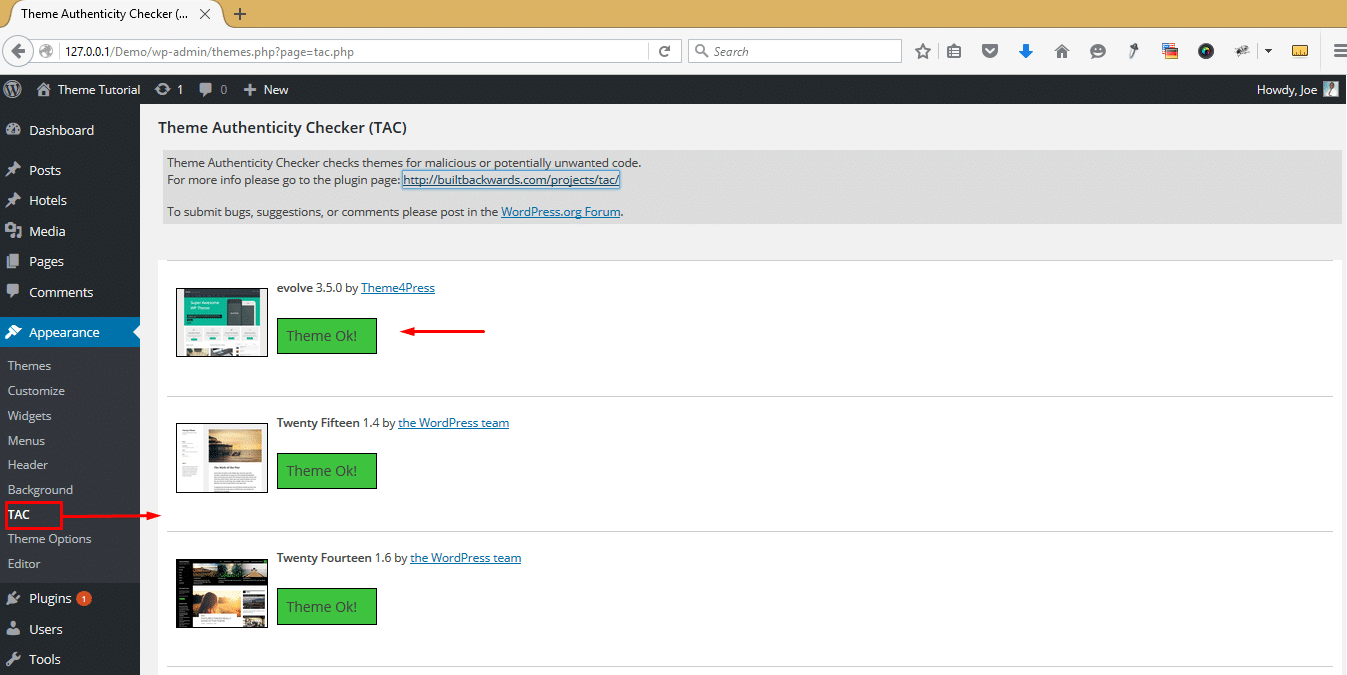
Start by checking the theme files in your WordPress dashboard. Look for unusual files or folders. Malicious files often have strange names or extensions. It’s important to know the normal files in a theme. Compare with a fresh theme download if unsure. Remove files that don’t belong.
Examine code snippets for suspicious code. Hackers hide code in PHP files. Look for obfuscated code that is hard to read. Use online tools to decode such code. Pay attention to base64 encoded strings, eval functions, or iframe tags. These are common signs of malware. Always backup files before making changes.
Using Online Scanning Tools
Online scanning tools simplify the process of checking for viruses in WordPress themes. Upload your theme to a trusted tool, and it scans for malicious code or threats. Ensure your website remains safe by using these tools regularly.
Recommended Tools
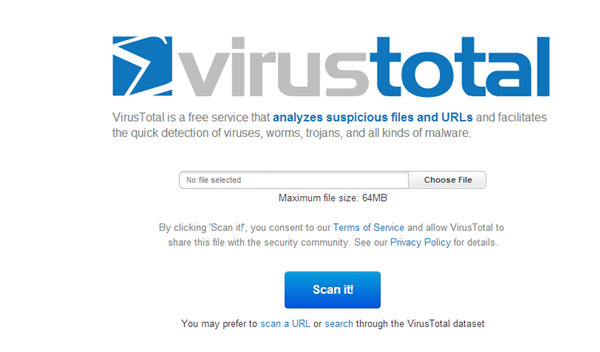
Online tools help find viruses in WordPress themes. Wordfence is popular. It scans for malware and threats. Sucuri SiteCheck checks websites for problems. Another tool is VirusTotal. It analyzes files and URLs. These tools are easy to use. They provide quick results. Most are free or have free versions.
How To Interpret Results
Scan resultsUpdate themes regularly. Updates fix security issues. A clean theme keeps your site healthy.
Installing Security Plugins
Some plugins keep your WordPress safe. Wordfence is popular. It scans for malware. Sucuri offers firewall protection. iThemes Security helps with password safety. Each plugin has unique features. Choose one that fits your needs. Always read reviews before installing. User feedback is important. It helps you decide which plugin is best.
Set up plugins properly. Use default settings for ease. Adjust settings for better protection. Many plugins offer guides. Follow these guides carefully. They make installation simple. Always update plugins. Updates fix security holes. Enable automatic updates if possible. Check settings regularly. Ensure your site stays safe.
Removing Detected Viruses
Scanning your WordPress theme for viruses ensures safety and performance. Use trusted plugins to detect malicious code. Regular checks help maintain a secure website environment.
Steps To Clean Infected Files
First, identify the infected files in your WordPress theme. Use a security plugin to scan your files. Make a list of all infected files. Next, delete these files from your server. Be careful while deleting. You don’t want to remove good files.
After deleting, upload a fresh copy of the theme. Ensure it’s from a trusted source. Update your WordPress to the latest version. This helps to fix security gaps.
Restoring From A Clean Backup
Always have a clean backup ready. Go to your backup folder. Locate the recent clean version. Restore it to your WordPress site. This will replace all bad files. Make sure to test your website after restoring. Check if everything is working fine. Use backups regularly to avoid future problems.
Credit: woorkup.com
Preventive Measures
Updating your theme often is very important. New updates fix bugs and stop viruses from attacking. Themes get better and safer with updates. Check for updates at least once a month. This keeps your theme fresh and clean. Always use the latest version. It helps in protecting your website. Stay alert for update notifications.
Always download themes from trusted sources. This means using sites like the official WordPress site. Trusted sites keep your theme safe from viruses. Avoid free themes from unknown sites. They might have hidden viruses. Always read reviews before downloading. Reviews tell you if a source is safe.
Seeking Professional Help
Struggling to ensure your WordPress theme is virus-free? Professional help can guide you through secure scanning tools. Detect and remove malicious code effectively to keep your site safe.
When To Contact Experts
Strange pop-ups or slow loading can mean trouble. New files appear without a reason. These signs need quick action. Experts know how to deal with these issues. They can make your site safe again. Trust them when things look bad. Your site needs the best care.
Finding Reliable Services
Choose services with good reviews. Ask friends for suggestions. Experience matters a lot. A service with many years is often better. Check their past work. Make sure they are trusted by many people. This will help you find the right help. Your website will be in safe hands.
Frequently Asked Questions
How Can I Scan My WordPress Theme For Viruses?
Use online tools like VirusTotal or Sucuri SiteCheck to scan themes. Plugins like Wordfence can provide real-time protection. Always download themes from reputable sources to minimize risk. Regularly update your themes and plugins to ensure security.
Are Free WordPress Themes Safe From Viruses?
Free themes can be safe if downloaded from trusted sources, like the WordPress repository. Avoid downloading themes from unknown websites. Always check user reviews and ratings. Regularly scan themes with security plugins to ensure they’re clean.
What Are Signs Of A Virus In A WordPress Theme?
Signs include unexpected redirects, slow loading times, and unfamiliar code in theme files. Malware can also cause unusual ads or pop-ups. Regularly check your site’s behavior and use security plugins to identify issues.
How Can I Prevent Viruses In WordPress Themes?
Always download themes from reputable sources. Use security plugins like Wordfence or Sucuri for protection. Regularly update your themes and plugins. Avoid using nulled themes, as they often contain malware.
Conclusion
Scanning your WordPress theme for viruses is crucial. It keeps your website safe. Regular checks help prevent malware threats. Always use trusted tools for scanning. They ensure accurate results. Avoid downloading themes from unknown sources. This minimizes risk. Keep your themes updated.
Updates often fix security holes. Stay informed about new security practices. Good habits protect your site. Secure sites build trust with visitors. A clean theme enhances user experience. Prioritize security in your WordPress management. Your website’s safety matters. Follow these steps to maintain a virus-free site.
Safe browsing starts with safe themes.


