
Are you tired of the same old look of your WordPress site? Maybe it’s time to give it a fresh new vibe.
Changing your WordPress theme can instantly transform your website’s appearance and even improve its functionality. But, if the thought of switching themes feels daunting, you’re not alone. Many people worry about losing content or breaking their site in the process.
The good news is, it doesn’t have to be complicated. In this guide, you’ll discover how to seamlessly switch your WordPress theme to a new one without any hassle. Imagine the satisfaction of seeing your site with a sleek new design that captivates your audience and elevates your brand. You deserve a website that reflects your vision, and with the right steps, you can achieve that effortlessly. Ready to turn your website into a masterpiece? Let’s dive into the simple steps that will make changing your WordPress theme a breeze.
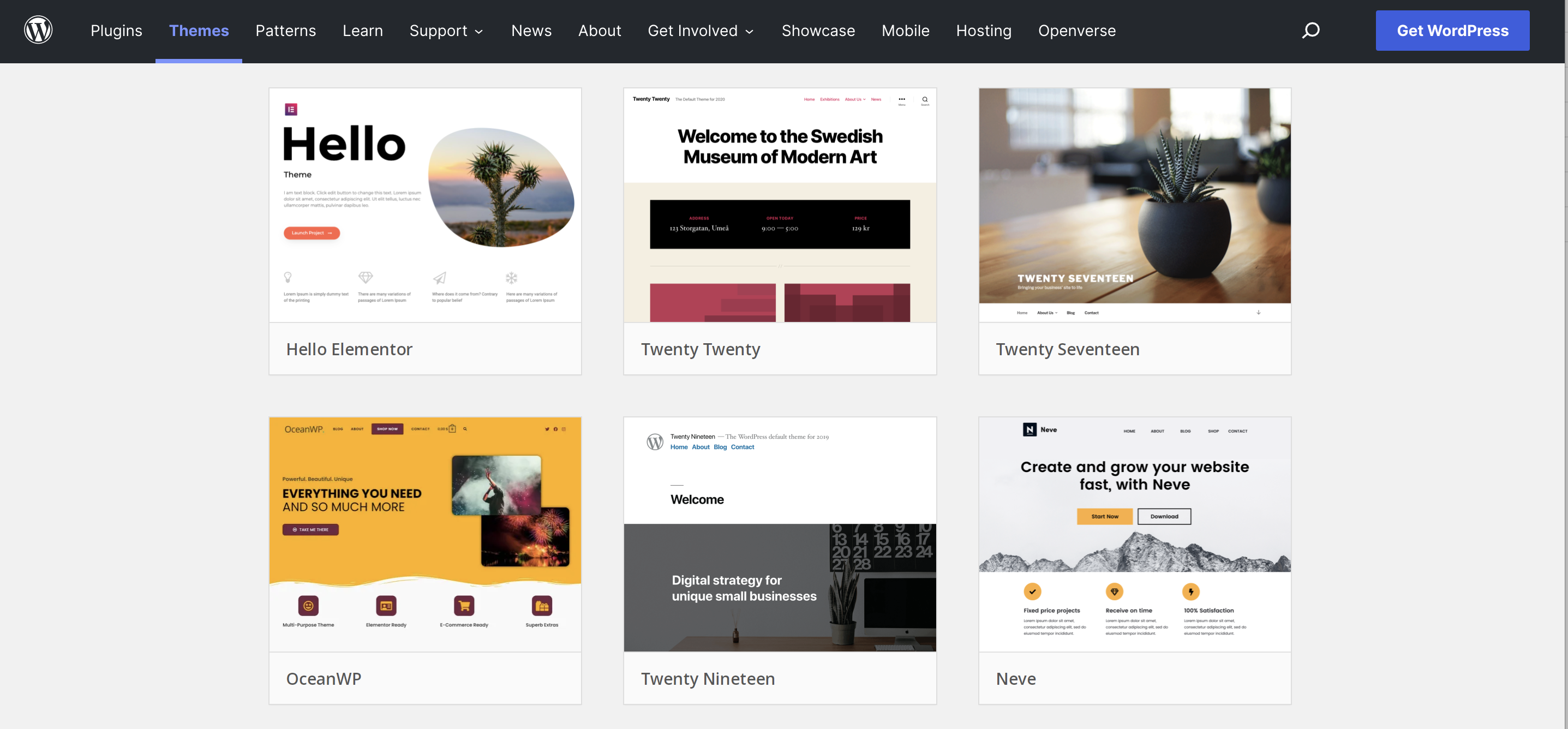
Choosing The Right Theme
Think about what your site is for. A blog needs a simple design. A business site needs a professional look. Knowing your purpose helps you pick the best theme.
Your theme should be mobile-friendly. People use phones and tablets a lot. A responsive theme changes size to fit any screen. This keeps your site looking good on all devices.
Look at what others say about the theme. Read reviews and check ratings. A theme with many bad reviews might not be good. Good reviews mean happy users. Choose themes with high ratings.
Credit: jetpack.com
Backing Up Your Site
Changing your WordPress theme involves a few simple steps. First, ensure your site is backed up to prevent data loss. Then, navigate to the “Appearance” section in your dashboard to select and activate a new theme.
Backup Database
Your database keeps all site information. It’s important to backup this data. Use plugins like UpdraftPlus or BackupBuddy. They help you save everything safely. Always check backup files. Make sure they work.
Export Content
Exporting content keeps your posts safe. Go to the dashboard. Click on Tools and then Export. Choose what you want to save. Download the file. This file has all your content. It’s easy to move later.
Save Custom Settings
Save all custom settings before changing themes. Write down widget arrangements. Note your menu orders. Save any custom CSS codes. This helps you keep your site’s look. It’s easier to set up the new theme.
Installing The New Theme
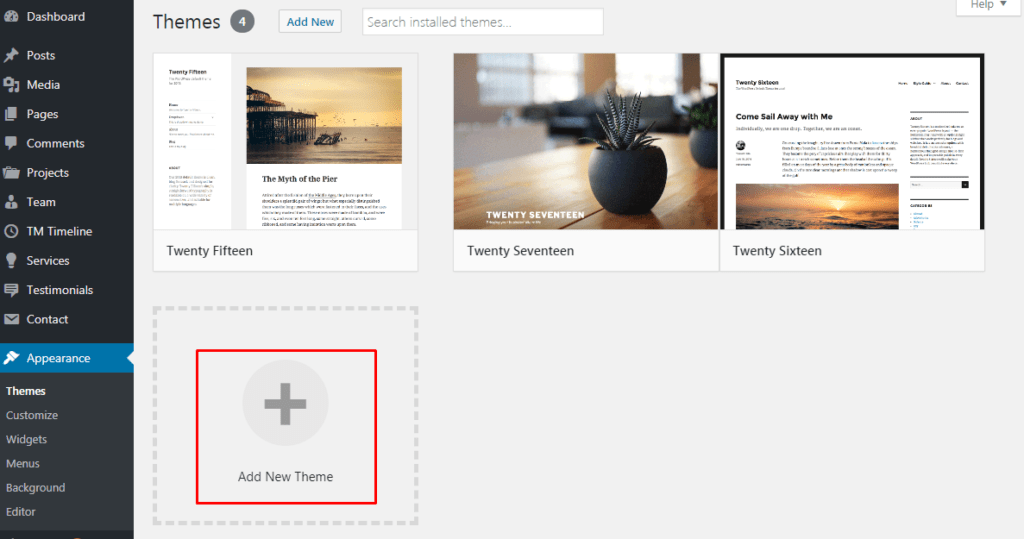
Switching your WordPress theme is straightforward. Start by accessing the WordPress dashboard, then navigate to “Appearance” and select “Themes. ” Choose your desired theme, click “Activate,” and refresh your site to see the new design.
Access WordPress Dashboard
First, log in to your WordPress Dashboard. Use your username and password. It’s the control center of your site. You will find many options here. Look for the Appearance tab. Click on it to see more options.
Upload And Activate Theme
To upload a theme, click on Add New. Then, click Upload Theme. Choose the theme file from your computer. Click Install Now. Wait for the upload to finish. Finally, click Activate. Your new theme is now live.
Verify Theme Compatibility
Make sure the theme works well. Check if it is compatible with your plugins. Ensure it supports your site’s features. Visit your site to see if everything looks good. Fix any issues you find. A compatible theme keeps your site running smoothly.
Customizing The New Theme
The Theme Customizer is a great tool. It lets you change your theme. You can see changes in real-time. This helps you make quick decisions. It’s easy to use. Just go to the WordPress dashboard. Click on “Appearance” then “Customize”. Here, you can adjust settings. Change colors, fonts, and layout. Make your site look just right.
Widgets help add extra features. Menus guide visitors around your site. They are both very important. Go to the “Appearance” tab. Click on “Widgets” or “Menus”. Here, you can add or remove items. Try to keep it simple. Make sure everything is easy to find. Your visitors will thank you.
Custom CSS can change the look of your site. It’s like magic for your website. Go to the “Customize” section. Look for “Additional CSS”. Here, you can type your own CSS code. Change colors, fonts, or spacing. Make your site unique. But be careful. Use small changes at first. See how they look before adding more.
Testing The New Theme
Switching to a new WordPress theme is simple. Navigate to the dashboard, select “Appearance,” then “Themes. ” Choose your preferred theme and activate it. Always preview changes before finalizing to ensure your site looks perfect.
Check For Broken Links
Broken links confuse visitors. They harm your site’s image. Check all links. Use tools to find broken links. Fix them quickly. A clean site builds trust.
Test Site Speed
Speed matters. Slow sites lose visitors. Test your site speed. Use online tools. Fast sites make users happy. Improve speed if needed.
Ensure Mobile Compatibility
Many use mobile for browsing. Your site must work on phones. Check each page. Make sure buttons work. Mobile-friendly sites attract more users.

Credit: www.wpzoom.com
Troubleshooting Common Issues
Plugins sometimes cause problems with new themes. Deactivate all plugins first. Check your theme’s display. Activate each plugin one by one. Find which plugin causes issues. Contact plugin support for help. Update or replace problematic plugins. Always have a backup ready.
New themes may change layouts. Check your settings. Use the theme options to fix layout. Adjust widgets if needed. Check your custom CSS. Make sure it fits the new theme. Contact theme support for guidance. They often have easy solutions.
Some features may be missing. Explore theme settings for hidden options. Use plugins to add features you need. Consider premium themes for extra functions. Check for updates regularly. Updates often bring new features. Keep your theme and plugins updated.
Launching Your Updated Site
Always preview your site before publishing. This helps you spot errors. Use the preview button on WordPress. Check if everything looks fine. If all is well, click publish. Your new theme will go live. Make sure your site works on phones and computers. This is very important.
Tell your visitors about the new look. Write a post to explain the changes. Share it on social media too. Let them know why the update is exciting. It’s a great way to keep them informed. This keeps them engaged with your site.
Listen to what users say. They might find issues you missed. Check comments and emails for feedback. Respond quickly to fix any problems. This shows you care about their experience. Happy users are more likely to return.
Credit: www.templatemonster.com
Frequently Asked Questions
How Do I Change My WordPress Theme?
Changing your WordPress theme is simple. Log into your WordPress dashboard, navigate to ‘Appearance’ and select ‘Themes. ‘ Choose a new theme from the list or upload a theme file. Click ‘Activate’ to apply the new theme. Always preview before finalizing to ensure compatibility with your site’s content.
Will Changing My Theme Affect My Site’s Seo?
Changing your theme can impact SEO if the new theme alters your site’s structure or speed. Ensure your new theme is SEO-optimized with clean code and fast loading times. Backup your site before switching themes to prevent any data loss.
Test your site’s performance after activation to ensure stability.
Can I Customize My New Theme Easily?
Most WordPress themes offer customization options through the Customizer tool. Access it via ‘Appearance’ > ‘Customize’ in your dashboard. Here, you can change colors, fonts, and layouts. For advanced customization, consider using a child theme or custom CSS. Always review theme documentation for specific customization options.
What Should I Consider Before Changing Themes?
Before changing themes, consider design compatibility, responsiveness, and SEO optimization. Check theme reviews and ratings for user feedback. Ensure the theme is updated regularly and supported by the developer. Backup your site to safeguard against data loss during the transition.
Test your site thoroughly after activation.
Conclusion
Changing your WordPress theme is simple and quick. Follow the steps carefully. Remember to back up your site before making changes. Check the theme’s compatibility with your plugins. Ensure your new theme meets your site’s needs. Test your website after installing the theme.
This ensures everything works smoothly. Regular updates will keep your theme secure and functional. Your site’s look and feel can easily be refreshed. A new theme can improve user experience. Keep exploring different themes to find the best fit. Changing themes is an exciting way to personalize your site.
Enjoy the new look!


