
Are you looking to refresh your WordPress site with a new design? Changing your WordPress theme can breathe new life into your website, making it more appealing and engaging for your visitors.
But the process might seem daunting if you’re unsure where to start. Don’t worry; you’re not alone! Many website owners feel overwhelmed when considering a theme change. However, with the right guidance, you can smoothly transition to a new look and feel without losing any of your important content or functionality.
You’ll discover a step-by-step guide on how to change your WordPress theme seamlessly. Get ready to transform your site and captivate your audience with a design that truly represents your brand. Let’s dive in!

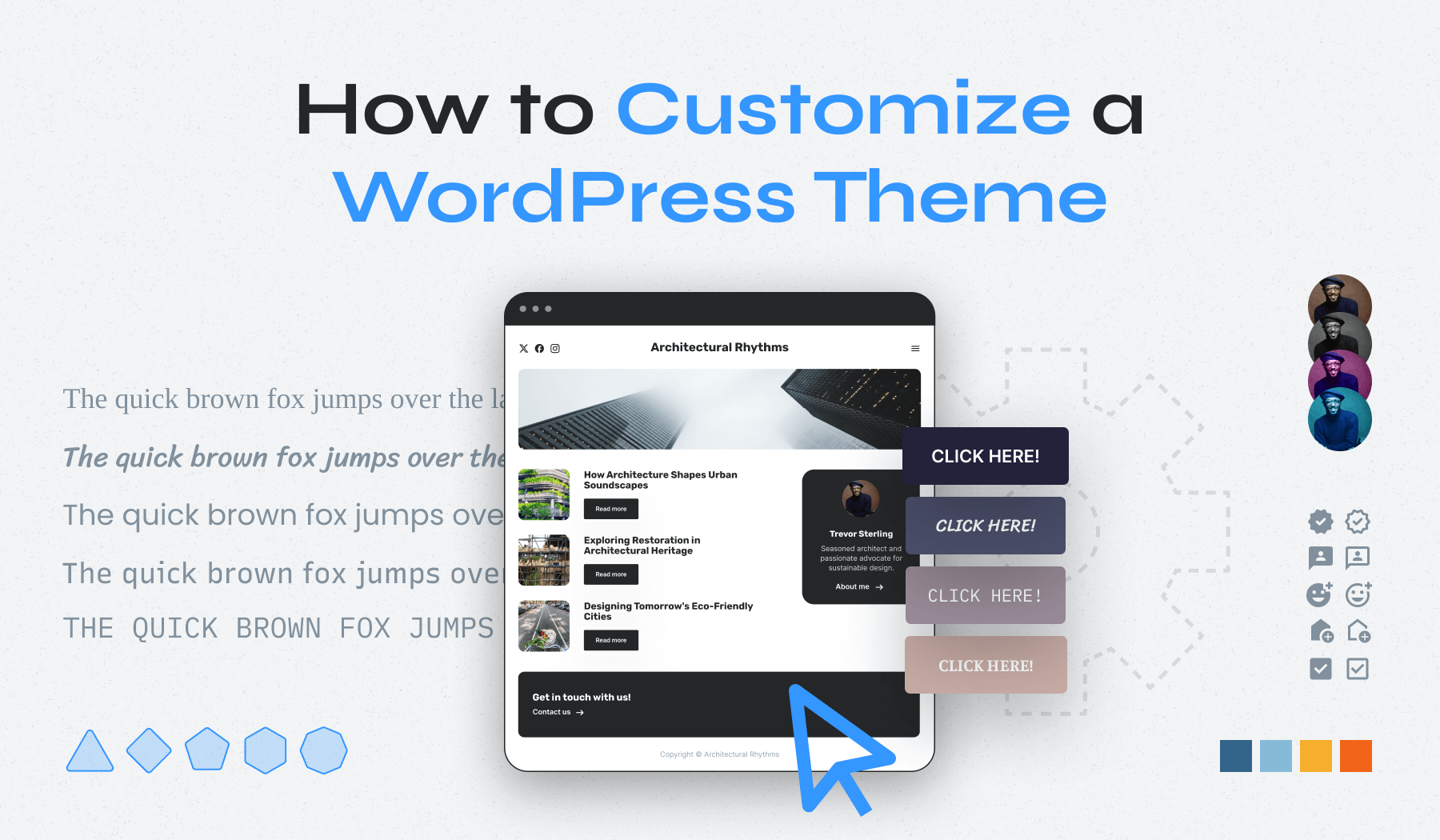
Credit: www.wpzoom.com
Choosing A New Theme
Picking a theme is important. Look for clean design and easy navigation. Check if the theme fits your site’s purpose. Does it offer good features? Ensure it works well on mobile devices. Test its loading speed. Fast themes keep visitors happy. Colors and fonts should be pleasant. They must match your brand style. Avoid too many animations. They can slow down your site. Choose a theme with flexible options. You can change layouts easily. Ensure it supports plugins. Plugins add features to your site.
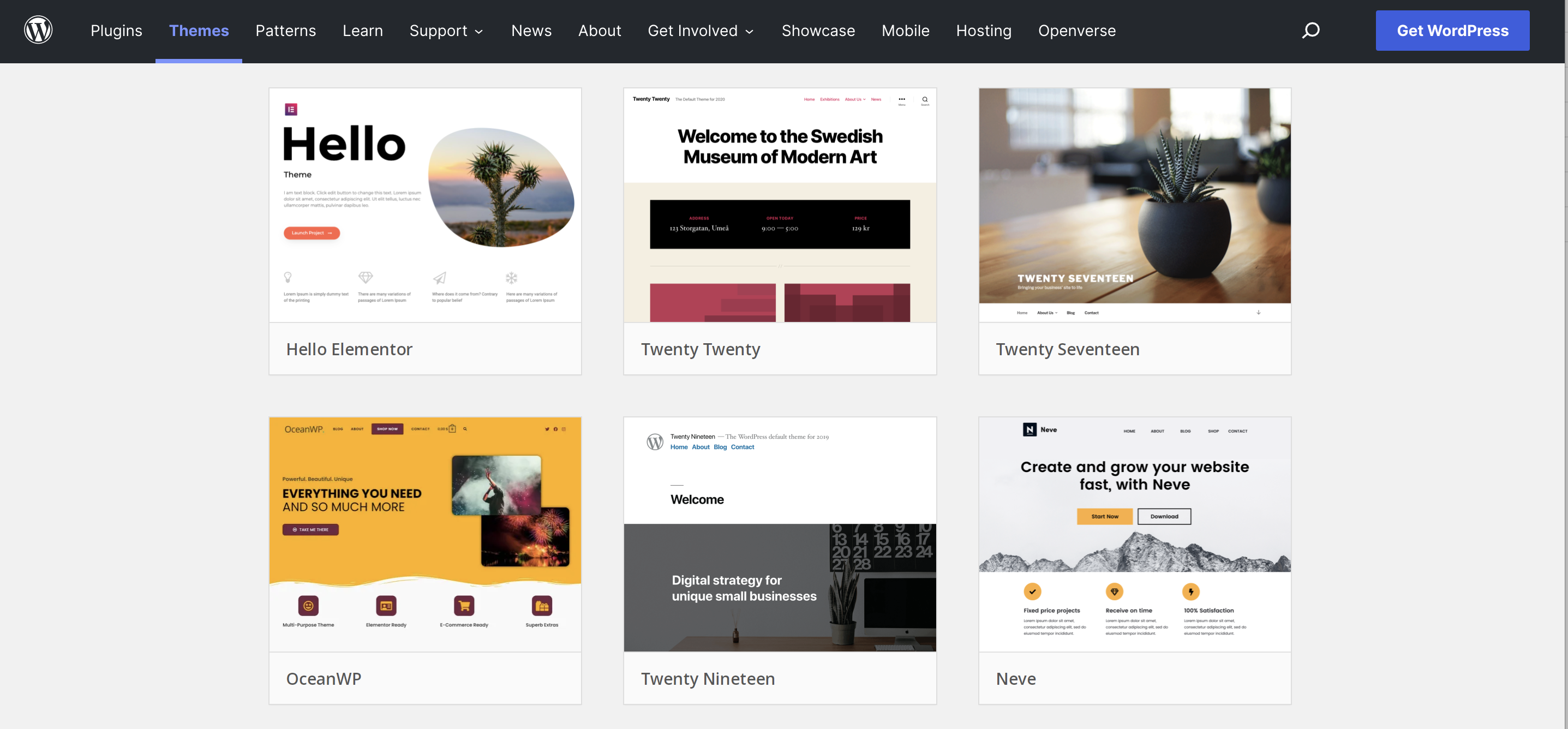
Find themes that others like. Check online reviews. Good themes have positive feedback. Visit theme marketplaces. They show top-rated themes. Look at demo sites. They give a preview of the theme. WordPress.org has free themes. Many are well-rated. ThemeForest offers paid themes. They have advanced features. Check social media groups. People share theme ideas there. Forums have discussions. Users talk about good themes. Ask friends who use WordPress. They may suggest themes they like.
Credit: www.wpzoom.com
Preparing Your Site For Change
Backing up your website is important. It protects your data. Use plugins like UpdraftPlus or Duplicator. They make backups easy. Save your files in a safe place. Cloud storage is a good option. You can also save them on your computer. Ensure backups are complete. Include all parts of your site. Don’t forget your database. It holds your posts and comments. Check your backup files. Ensure they are correct and complete.
Testing in a staging environment is smart. It helps you see changes safely. Set up a staging site first. Make a copy of your live site. Plugins like WP Staging can help. Test your new theme here. Check for errors and issues. See how your site looks and works. Make sure everything is perfect. Once satisfied, move changes to live site.
Installing The New Theme
Open your WordPress dashboard. Find the “Appearance” tab on the left. Click on “Themes” from the list. Then, click on the “Add New” button at the top. You can search for a new theme here. Choose a theme you like. Hover over it and click “Install”. Wait for it to install. Then click “Activate” to use it.
Have a theme file? Go to the dashboard again. Click “Appearance”, then “Themes”. Hit “Add New” at the top. Next, click “Upload Theme”. Browse your computer for the theme file. Select it and click “Install Now”. Once it’s done, click “Activate”. Now your theme is set.
Credit: jetpack.com
Customizing The New Theme
Choose a new theme for your WordPress site. Open the theme settings to change the layout. You can pick a different color scheme. This makes your site look fresh. Also, change the font style. This helps in making text easy to read. Check how the site looks on different devices. This ensures a good experience for all visitors.
Access the widgets area in your dashboard. Drag and drop widgets to the sidebar. Add a search bar for easy navigation. Create new menus for your site. Arrange menu items in a logical order. This helps visitors find what they need. Save changes and view your site. Check if everything works as expected. Make sure all links are working.
Testing The New Theme
Choose a theme that works well with your plugins. Some themes might cause issues with certain plugins. This can break your site. Always test the theme on a staging site first. Check every feature carefully. Make sure all parts of your site work well together. Look for errors or broken links. Fix any issues before you go live. Your site should be smooth and error-free.
Most people use phones to browse. Your theme must look good on mobile. Check the design on different devices. Try phones and tablets. Make sure text is easy to read. Buttons should be big enough to click. Images must load fast. A mobile-friendly site keeps visitors happy. It also helps with search rankings. Test often to keep your site updated.
Optimizing For Seo
Meta tags help search engines understand your site. They should be clear and concise. Use keywords wisely. Title tags are important. They show up in search results. Description tags tell more about your page. Keep them short and informative. Good meta tags can boost your site’s visibility.
Fast loading speed keeps visitors on your site. Large images slow down pages. Compress them to make them smaller. Clean your code. Remove unnecessary bits. Use caching plugins. They store data for quick access. A quick site is better for users and search engines. It’s a win-win.
Maintaining The New Theme
Switching to a fresh WordPress theme can refresh your site’s look. Begin by backing up your existing theme to prevent data loss. Then, install and activate your new design, ensuring compatibility with plugins for seamless integration. Regular updates will help maintain functionality and aesthetics.
Regular Updates And Security
Keep your theme updated for better security. Developers fix bugs in updates. Always use the latest version. This helps to protect your site. Check for updates often. Set automatic updates if possible. Security is very important. Keep your users safe.
Monitoring User Feedback
Listen to your users. Feedback helps improve your site. Ask for their thoughts. Make changes based on their needs. Happy users stay longer. They also tell others about your site. This can bring more visitors. Always aim for a better user experience.
Frequently Asked Questions
How Do I Change A WordPress Theme?
To change a WordPress theme, go to your WordPress dashboard. Navigate to Appearance > Themes. Find a theme you like and click ‘Activate’. Your site will update with the new theme. Ensure to preview it first to check compatibility with your content and plugins.
Can Changing Themes Affect My Site’s Seo?
Yes, changing themes can impact SEO. Themes influence site speed, mobile responsiveness, and code quality. Choose a theme optimized for SEO. Ensure it loads quickly and is mobile-friendly. Consider using SEO plugins after changing themes to retain your site’s search engine rankings.
Will I Lose Data When Changing Themes?
No, changing themes doesn’t usually delete data. However, customizations specific to the old theme may not transfer. Always back up your site before changing themes. Ensure widgets, menus, and other settings are compatible with the new theme. Check everything after switching to ensure proper functionality.
How To Preview A WordPress Theme Before Changing?
To preview a WordPress theme, go to Appearance > Themes in your dashboard. Click ‘Live Preview’ on any theme. This allows you to see how your site will look with the new theme. Review the layout and features before activating to ensure it meets your expectations.
Conclusion
Changing your WordPress theme is simple and rewarding. It refreshes your website’s look. Start by backing up your site. This ensures your data remains safe. Next, browse themes and select your favorite. Choose a theme that matches your brand’s style.
Install and activate it with a few clicks. Customize settings to fit your needs. Test your site to ensure everything works well. A new theme can enhance user experience. It keeps your audience engaged. Follow these steps and enjoy a fresh website look.
Your site will stand out with a new theme.


