
Feeling stuck with your current web hosting company? You’re not alone.
Many website owners like you are exploring the idea of switching to a new provider for better performance, reliability, or customer service. The thought of changing web hosting companies might seem daunting, but it doesn’t have to be. Imagine faster loading times, improved security, and a support team that’s actually helpful.
Sounds appealing, right? In this guide, you’ll discover step-by-step how to smoothly transition to a new web host without losing sleep or data. Trust us, it’s easier than you think. Stick around to learn how you can take control of your website’s future and enjoy the benefits of a better hosting experience.
Credit: www.namecheap.com
Reasons To Switch Hosting Providers
Slow website speeds can hurt your business. Users leave if pages load slowly. It affects search engine rankings too. Downtime is another big issue. Websites must be online all the time. Frequent downtime means lost visitors and sales.
Some hosting plans become expensive over time. Hidden fees might surprise you. Renewal rates can be higher than initial prices. It’s wise to check if you’re getting value for your money. Sometimes, cheaper options offer better features.
Good support is crucial. Sometimes, help is slow or not useful. Bad support means trouble when you need help. You might wait long for a simple fix. It’s important to have a team that cares.
Growing websites need more resources. A plan might fit today but not tomorrow. Traffic spikes can crash your site if resources are limited. Room to grow is key for expanding sites. Make sure your host can handle growth.

Credit: www.facebook.com
Evaluating New Hosting Options
Shared hosting is like sharing a house. You share resources with others. It’s cheaper but can be slower. Dedicated hosting is like having your own house. You have all the resources for yourself. It’s faster but costs more. Choose wisely based on your needs.
Cloud hosting offers flexibility and scalability. You can easily add or remove resources. It’s great for growing businesses. Also, it provides good uptime. This means your website stays online more. It’s a smart choice for many.
Security is very important for websites. Look for hosting with strong security features. Firewalls and SSL certificates are key. They help protect your data from hackers. Keep your site safe and secure.
Different hosts have different prices. Compare prices and what they offer. Some hosts offer discounts for long-term plans. Check if there are hidden fees. Choose a plan that fits your budget and needs.
Preparing For The Transition
Create a backup of all your files. Use a reliable tool. Ensure everything is saved. Download all files to your computer. Store them in a safe place. Double-check the backup. Make sure nothing is missing.
Verify your domain registration. Ensure it is up-to-date. Update any old information. Contact your registrar if needed. Keep your domain settings handy. You might need them soon. Check for any restrictions.
Ensure your database is compatible. Check if new host supports it. Compare versions of your current and new host. Confirm data types are similar. Contact new host for details. Ask for support if unsure.
Test your website thoroughly. Ensure all features work. Check links and images. Validate forms and pages. Use different browsers for testing. Report any issues immediately. Fix them before moving.
Executing The Migration
Switching to a new web hosting company requires careful execution of the migration process. Ensure all files and databases are backed up. Update DNS settings to point to the new server. Check functionality and address any issues promptly to avoid downtime.
Transferring Files
Begin by backing up all important files. This includes images and databases. Use FTP tools for quick file transfer. Always check files after transferring. Ensure nothing is missing or corrupted. Keep backups safe during the entire process.
Updating Dns Settings
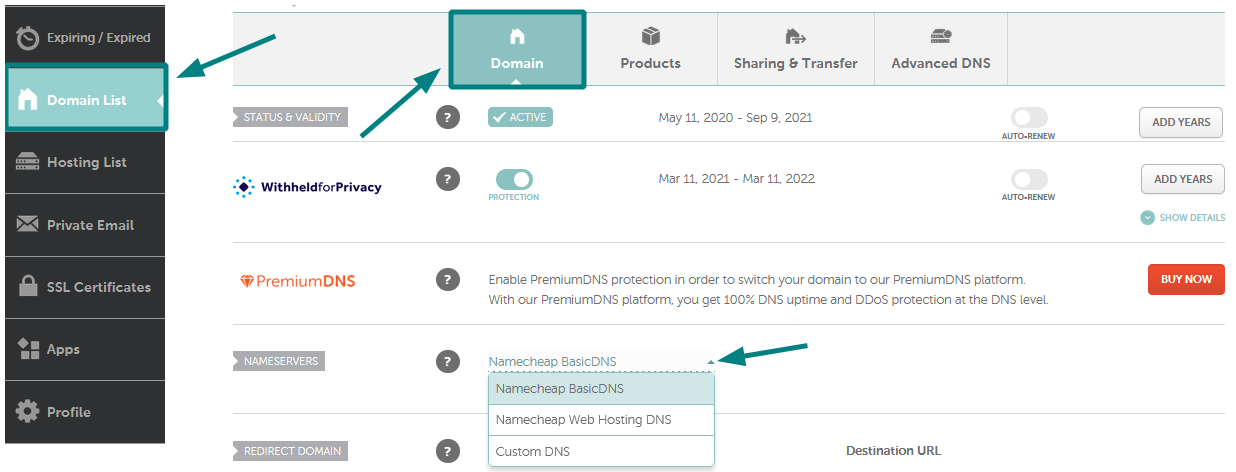
DNS settings help people find your site. Update DNS to point to the new host. This change may take time to work. Allow up to 48 hours for DNS updates. Test your site after DNS changes to ensure it’s live.
Ensuring Email Continuity
Email services are crucial for communication. Set up email accounts on the new host. Check and transfer old emails if needed. Verify email sending and receiving functions. Maintain email service throughout the migration.
Verifying Site Performance
Check the speed of your site on the new host. Ensure pages load quickly. Test different devices and browsers. Monitor site traffic and user feedback. Fix any issues that slow down your site.
Post-migration Tasks
Monitoring Traffic is crucial. Keep an eye on website visitors. Check if the numbers stay stable. Look for sudden drops. This can show problems. Use tools like Google Analytics. They help track and report traffic.
Optimizing Speed matters. Slow websites lose visitors. Test your website speed. Use tools like GTmetrix or PageSpeed Insights. Faster sites attract more users. Reduce image sizes. Use fewer plugins. These changes help speed up your site.
Resolving Technical Issues is important. Check for broken links. Make sure all pages load correctly. Fix any errors quickly. Use tools to find problems. Regular checks prevent bigger issues later. Keep your site healthy and working well.
Seeking Feedback helps improve. Ask users about their experience. Find out what they like. Learn what needs change. Use surveys or email. Feedback guides improvements. Happy users visit more often. Listen to them for better results.
Tips For A Smooth Transition
Picking the best time is crucial. Avoid busy seasons. This helps reduce stress. Weekdays are often better than weekends. Traffic is usually lower then. Plan ahead to avoid issues. Make sure your team is ready. Backup all data before you start. This ensures nothing gets lost.
Keep your customers informed. Send them emails about the change. Explain why you are changing. Share the benefits of the new host. Give them a timeline. Let them know if there will be downtime. This keeps them prepared and happy.
SEO is very important. Make sure your URLs stay the same. Redirect any changed URLs. This helps keep your rankings. Monitor your site’s performance. Use tools like Google Analytics. Check for any drops in traffic. Adjust quickly to fix problems.
Use your new host’s support. They can help with the transfer. Ask questions if you need help. Make use of any tutorials they offer. This makes the move easier. Support can solve issues quickly. Always have a backup plan ready.
Credit: www.greengeeks.com
Frequently Asked Questions
Can I Switch Web Hosting Companies?
Yes, you can switch web hosting companies. Choose a new host, backup your website, and transfer files. Update your domain settings to point to the new host. Ensure all data is transferred correctly before canceling the old service. Always check reviews and support options for the new host.
How Do I Move From One Hosting To Another?
To move hosting, back up your website files and database. Choose a new host and upload files. Update DNS settings to point to the new server. Test your website to ensure everything works correctly. Complete the process by canceling the old hosting plan.
Is It Hard To Change Web Hosting?
Changing web hosting can be simple with proper planning. Back up your site and choose a reliable new host. Transfer files and databases carefully. Update DNS settings to minimize downtime. Seek assistance from technical support if needed.
Can I Move My Website From Godaddy To Another Host?
Yes, you can move your website from GoDaddy to another host. Backup your files and databases first. Next, choose a new hosting provider and transfer your website files and databases to the new host. Update your DNS settings to point to the new host for seamless transition.
Conclusion
Switching web hosting companies seems daunting at first. But it’s manageable. Follow the steps carefully. Understand your needs. Choose a reliable new host. Backup your website files. Transfer them securely. Test your site thoroughly after the move. Keep communication open with your new provider.
You will ensure a smooth transition. Your website will run efficiently. No need for stress. Just patience and precision. Soon, your site will thrive on its new server. Enjoy the improved performance and support. Your efforts will pay off. Happy hosting!


