
Are you tired of the same old look on your WordPress site? Changing your theme can give your website a fresh, new appearance, making it more appealing to your visitors.
But if you’re worried about losing content or breaking your site, you’re not alone. Many website owners fear the same thing. That’s why knowing exactly how to change your existing theme in WordPress safely and efficiently is crucial. In this guide, you’ll discover simple steps to switch themes without any hassle.
Ready to transform your website and captivate your audience? Let’s dive in and unlock the secrets to a seamless WordPress theme change.
Credit: jetpack.com
Choosing A New Theme
Start by thinking about what you need. Do you want a simple look? Or maybe something colorful? List your must-haves. This will guide your choice.
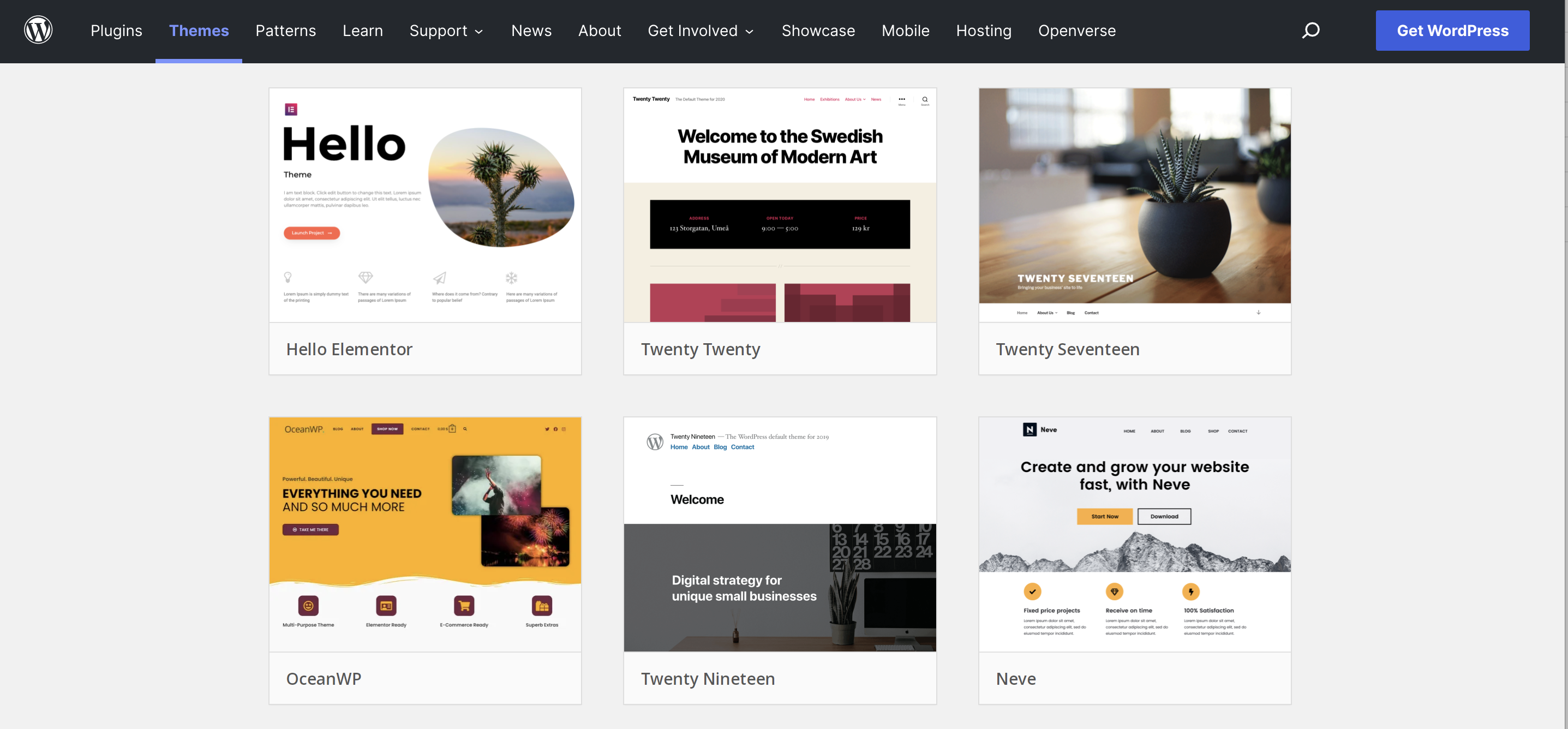
Visit the WordPress theme directory. Search for themes that fit your list. Check ratings and reviews. They help you know if a theme is good. You can also see how many people use it.
A theme must look good on phones and tablets. This is called being responsive. A fast theme makes a website load quickly. Test the demo version. See how it works on different screens.
Backing Up Your Site
Backup files are crucial. Save everything on your site. Store database safely. Files and database keep your site running. Losing them is bad. Use a trusted storage option. Safety is key.
Plugins make backup easy. They automate the process. Choose reliable plugins. Some plugins are free. Others need payment. Read reviews first. Backup plugins save time.
Check your backup. Verify it works well. Test it often. Make sure files are not broken. Use a backup tool for testing. Integrity is very important. Keep your backup safe. Test it regularly.
Installing A New Theme
Find the WordPress Dashboard. Click on Appearance, then Themes. Press Add New at the top. Explore the themes available. Use the search bar to find a theme you like. Hover over the theme and click Install. Wait for the installation to finish.
Download the theme from the internet. It will be a .zip file. Go to Dashboard, then Appearance. Click Add New and then Upload Theme. Choose the .zip file and hit Install Now. Wait as your theme uploads.
Go back to the Themes page. Hover over your new theme. Press the Activate button. Your theme is now live. Visit your site to see the change.

Credit: wordpress.com
Customizing Your Theme
The Customizer tool is easy to use. Open your WordPress dashboard. Go to Appearance and then Customize. Here, you can change your site’s look. Adjust colors, fonts, and more. See changes live as you make them. This helps you make quick decisions. Explore different settings. Find what works best for your site.
Widgets add extra features to your site. Go to Appearance and then Widgets. Drag and drop widgets to your sidebar. Menus help users find content. Go to Appearance and then Menus. Add pages or categories to your menu. Organize them by dragging. Make your site user-friendly and easy to navigate.
CSS changes your site’s style. Go to Appearance and then Customize. Click on Additional CSS. Type your CSS code here. See changes instantly. CSS can change colors, fonts, and layout. Be careful and test your changes. Wrong code can mess up your site. Always save your work before leaving.
Testing Your Site
Changing your WordPress theme enhances site appearance. Navigate to the dashboard, select “Appearance,” then “Themes. ” Choose and activate a new theme to refresh your site. Always preview changes to ensure a seamless transition.
Check For Broken Links
Broken links confuse visitors. They make your site look unfinished. Use tools to find these links. Fix them fast. It helps with SEO and user experience.
Ensure Mobile Compatibility
Most people use phones to browse. Your site must look good on mobile. Test it on different screen sizes. Make sure buttons are easy to tap. Text should be readable without zooming.
Verify Browser Compatibility
Browsers show sites differently. Test your site on Chrome, Firefox, and Safari. Check that all features work well. Fix any display issues. This ensures all users can enjoy your site.
Fixing Common Issues
Changing a WordPress theme can resolve design issues effectively. Start by accessing your dashboard, navigate to “Appearance,” and select “Themes. ” Choose a new theme, preview it, and activate. This simple process ensures your website looks fresh and functions smoothly.
Resolving Layout Problems
Changing a theme can lead to layout issues. Sometimes, text or images do not fit well. This can make the site look messy. Adjust the settings in the theme’s customization panel. This often fixes the problem. Check the site’s preview to see changes. Aligning content properly helps the site look good.
Dealing With Plugin Conflicts
Themes and plugins sometimes clash. This can break site functions. Disable plugins one by one. Then, test the site each time. Identify the plugin causing the issue. Update or replace it with a similar one. This can help restore functionality.
Addressing Performance Issues
A new theme might slow down the site. This affects user experience. First, check the theme’s code. Look for unnecessary scripts. Remove them if not needed. Use performance plugins to speed up the site. Ensure images are optimized. Faster load times keep users happy.
Finalizing The Transition
Switching to a new WordPress theme involves a few simple steps. Start by navigating to the Appearance section in your WordPress dashboard. Select Themes and browse for your desired theme, then activate it to finalize the transition.
Get Feedback From Users
Ask users for their thoughts on the new theme. Create a simple survey or form. This helps to know what works or not. Pay close attention to common issues. If users spot a problem, fix it quickly. This keeps them happy and engaged.
Make Final Adjustments
Review the feedback and make necessary changes. Small tweaks can make a big difference. Ensure all features work well. Check the design on different devices. It should look good on phones and computers. Don’t leave any errors unaddressed.
Document Changes
Keep a record of all changes made. Write down what was updated and why. This helps for future reference. If issues arise, you can quickly find solutions. Good documentation saves time and effort. It’s a helpful guide for future updates.

Credit: wordpress.com
Frequently Asked Questions
How Do I Change My WordPress Theme?
Changing your WordPress theme is simple. Go to your dashboard, click on Appearance, then Themes. Choose a theme from your library or upload a new one. Activate the theme to apply changes. Always preview before activation to ensure compatibility.
Can I Switch Themes Without Losing Content?
Yes, switching themes won’t affect your content. Your posts, pages, and media remain intact. However, some widget settings and theme-specific features may need adjustments. Always backup your site before changing themes to ensure data safety.
What Should I Consider Before Changing Themes?
Before changing themes, consider compatibility with your plugins and widgets. Check responsiveness and speed. Ensure the new theme meets your design and functionality needs. Backup your site to prevent data loss during the transition.
How Can I Preview A WordPress Theme?
To preview a theme, go to your dashboard, click on Appearance, then Themes. Hover over your desired theme and click Live Preview. This allows you to view your site layout and design before activation, ensuring satisfaction with the changes.
Conclusion
Changing a WordPress theme is simple. First, explore different theme options. Pick one that fits your style and needs. Next, install the chosen theme through your dashboard. Preview it to ensure it meets your expectations. Activate the theme to make it live.
Remember to customize settings for a unique look. Adjust colors, fonts, and layout to match your vision. Check your site on different devices. This ensures everything looks right. Keep your website updated for smooth performance. This simple process refreshes your site’s appearance effortlessly.
Enjoy your new WordPress theme!


