
Are you eager to create your own WordPress theme but unsure where to start? Imagine having the power to design a unique website that stands out, tailored precisely to your vision.
With Teamtreehouse, learning how to build a WordPress theme becomes an engaging and straightforward process. This guide is crafted just for you, breaking down complex concepts into simple steps. You’ll discover how to transform your ideas into a functional, stunning WordPress theme, even if you’re a complete beginner.
Dive in and get ready to unlock the potential of your creativity and web development skills. Your journey to becoming a WordPress theme developer starts here, and it promises to be as exciting as it is rewarding.

Credit: gitconnected.com
Setting Up The Development Environment
Begin by installing WordPress on your computer. This helps you test themes without going live. Use tools like XAMPP or Local by Flywheel. They create a local server environment. Download WordPress from its official website. Extract the files and move them to the server’s htdocs folder. Start the server and open your browser. Type localhost/wordpress to begin the setup. Follow the steps to install. You will need to create a database. Use phpMyAdmin for this. Remember to note down database details. These are needed during setup.
Choosing the right tools is very important. Use a code editor like Visual Studio Code. It helps in writing clean code. You also need a version control system. Git is a popular choice. It tracks changes and saves your work. A good browser with developer tools is needed too. Google Chrome is a great option. It helps in debugging and testing. Make sure all tools are set up properly. This ensures smooth development.

Credit: www.wpexplorer.com
Understanding WordPress Theme Structure
Every WordPress theme has key files. These files make the theme work. The style.css file holds the design. The index.php file is the main template. The functions.php file adds features. The header.php and footer.php files show the top and bottom parts. These files live in the theme’s folder. This folder is inside the wp-content/themes directory. Every theme has its own folder. This keeps things organized.
WordPress uses a template hierarchy. This decides which file to use for a page. Pages use page.php. Posts use single.php. The archive uses archive.php. If these files are not there, WordPress uses index.php. This is the default template. The hierarchy is like a map. It helps WordPress find the right file.
Designing The Theme
Start with a simple sketch. Think about your website’s main parts. Header, content area, and footer. Place these parts on paper. Use boxes and lines to show where things go. This is called a wireframe. It helps you see the layout. Make sure the navigation is easy. Users should find pages fast. Your wireframe is like a map. It guides your design steps.
Open Photoshop or Sketch on your computer. These tools help you design. Import your wireframe. Add colors and images. Choose fonts that are clear and readable. Use layers to keep things organized. Layers help you change things easily. Save your work often. This keeps your design safe. Check your design on different screen sizes. Make sure everything looks good. Adjust as needed.
Developing The Theme
The header and footer are key parts of a theme. The header usually shows the site name or logo. The footer shows contact info or links. Use HTML to make a simple header. Add CSS for style. In the footer, add important links. These might be to social media or other pages. Keep the design clean. Simple headers and footers help users. They make the site easy to use.
The main content area is where most info goes. This can be blog posts, images, or videos. Use HTML to make this area. Add CSS to style it. It’s key to make content easy to read. Use clear fonts and colors. Let users focus on the content. Make sure the layout looks good on all screens. Test it on phones and computers.
Widgets and sidebars add extra features. They can show recent posts or a search bar. In WordPress, use widgets to add these. Place them in the sidebar. They make the site more useful. Users find what they need faster. Keep sidebars simple. Too many widgets can confuse users. Balance is key.
Styling With Css
SASS makes CSS styling easier. It helps to keep code neat. With SASS, you can use variables and mixins. Variables store colors and fonts. Mixins save repeated styles. This saves time and effort.
Nesting is another great feature of SASS. It lets you write CSS in a tidy way. Less code means fewer mistakes. Using SASS, you make your stylesheets clean and efficient.
Responsive design makes your website look good on all devices. Use media queries to change styles. They help your site fit any screen size.
Flexbox and Grid are useful tools. They arrange items in rows or columns. This keeps your layout organized.
Remember to test your site on different devices. This ensures everyone sees your site correctly. Responsive design improves user experience.
Adding Theme Features
Learn to enhance WordPress themes with Teamtreehouse. Add custom features for a unique site look and feel. Boost functionality without complex coding.
Custom Post Types
Custom post types help to organize content. They make it unique. With them, you can create different types of content. For example, a site for recipes. You can make a custom post type just for that. It helps users find what they need. It also makes the site look neat. Plugins can help. But coding is another option. Both ways work well.
Theme Options Panel
The theme options panel is important. It lets users change settings. This can include colors or fonts. It’s like a control room. Users feel in charge. The panel should be easy to use. Buttons and sliders can help. These make changes simple. Some themes have built-in panels. Others need plugins. Both options are good.
Testing The Theme
Ensuring your theme works on all browsers is important. Users have different browsers. Your theme must look the same on each. Test on Chrome, Firefox, Safari, and Edge. Use browser tools for checking. Fix any display errors you find. Check for responsive design as well. The theme should fit on all screen sizes. This makes it easy for everyone to use. A theme that works everywhere is liked by all.
Themes should load fast. Slow themes make users leave. Use compressed images to speed up loading. Minimize CSS and JavaScript files. This reduces the load time. Check your theme’s speed with online tools. Optimize the database to keep it fast. Remove unnecessary plugins. They slow down the site. A quick theme gives a better user experience. Users stay longer on fast sites.
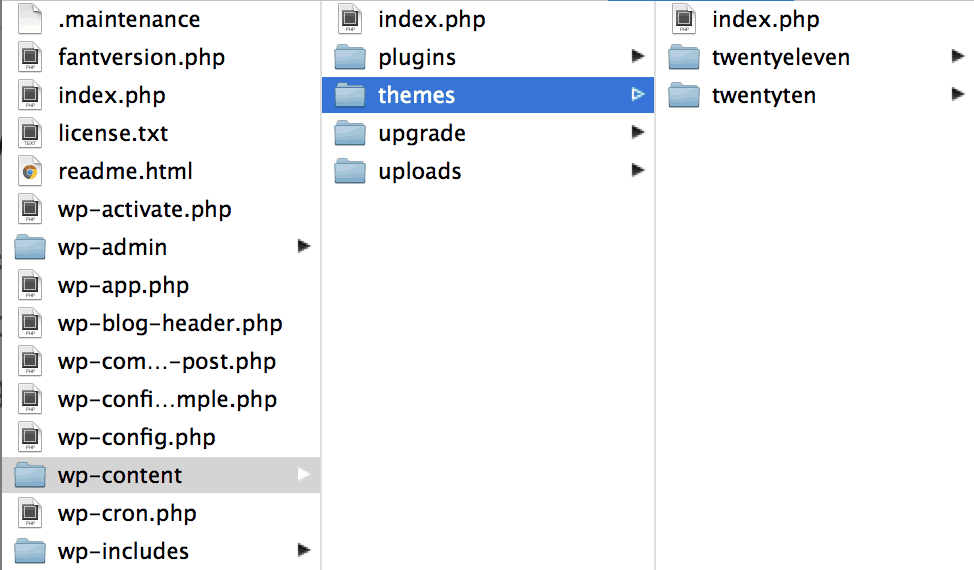
Credit: blog.teamtreehouse.com
Deploying The Theme
Before putting your theme live, back up your current site. This step is important to avoid data loss. Test your theme on a local server. Make sure all features work well. Check for errors in your code. Fix them before deployment. Optimize images for faster loading. This helps make the site smooth. Use tools to check your theme’s speed. Speed is key for user satisfaction.
Secure your site with plugins. They keep your site safe from attacks. Ensure all plugins are updated. Outdated plugins can cause problems. Finally, create a child theme. It protects your changes from future updates. This ensures your site always runs smoothly.
Prepare your theme files. Make sure they meet WordPress standards. Follow their guidelines carefully. Include a readme.txt file. It should explain your theme well. Use clear and simple language. Test your theme again. This time for repository standards. Fix any issues you find.
Visit the WordPress website. Submit your theme through their portal. Wait for the review process. Be patient, it takes some time. Once approved, your theme goes live. People can then download and use it. Keep an eye on feedback. Improve your theme based on user comments.
Frequently Asked Questions
How Do I Start Creating A WordPress Theme?
To start creating a WordPress theme, begin by understanding HTML, CSS, PHP, and JavaScript basics. Use WordPress Codex for guidance. Familiarize yourself with WordPress theme structure. Teamtreehouse offers comprehensive courses to help you learn step-by-step. Utilize their resources to grasp theme development intricacies effectively.
What Tools Are Needed For WordPress Theme Development?
For WordPress theme development, you’ll need a code editor like Visual Studio Code or Sublime Text. Install WordPress locally using XAMPP or MAMP. Use Git for version control. Additionally, browsers like Chrome for testing and debugging tools are essential. Teamtreehouse’s courses often recommend these tools for efficient development.
Can Beginners Learn WordPress Theme Development?
Yes, beginners can learn WordPress theme development. Teamtreehouse provides beginner-friendly courses that cover fundamental concepts. They offer interactive tutorials and practical examples. Start with basic coding skills, and gradually advance to theme customization. With dedication and practice, beginners can master theme development efficiently.
What Are The Key Components Of A WordPress Theme?
A WordPress theme consists of key components like style. css, functions. php, and index. php files. The style. css defines design, functions. php manages functionalities, and index. php is the main template file. Teamtreehouse courses explain these components thoroughly, helping you understand their roles in theme development.
Conclusion
Creating a WordPress theme with Teamtreehouse is straightforward. It simplifies the process. You gain essential skills for theme development. Each step builds your knowledge. From design to coding, you learn efficiently. Practical exercises enhance understanding. Teamtreehouse’s resources are valuable. You connect concepts with real-world applications.
This experience boosts your confidence. You can customize themes easily. A rewarding journey awaits you. Start your theme-building adventure now. Embrace the challenge. Your new skills open opportunities. Enjoy crafting unique WordPress themes.


