
Are you tired of websites cluttering your screen with custom fonts that slow down your browsing experience? You’re not alone.
Many users find these web fonts unnecessary and want a faster, cleaner online experience. Luckily, there’s a straightforward solution: blocking web fonts using your hosts file. Imagine having a smoother browsing experience with pages loading in record time. This guide will walk you through simple steps to take control of your web experience.
By the end of this article, you’ll have the power to decide which fonts make their way onto your screen and which stay blocked. Ready to enhance your browsing speed and regain control? Let’s dive in!
Understanding Web Fonts
Web fonts are special types of fonts for websites. They make text look unique and stylish. Websites use them to create a nice look. Google Fonts is a popular choice. Web fonts are different from regular fonts. They need to be downloaded from the internet. This makes them special for web design.
Web fonts can slow down websites. They need extra time to load. Users might wait longer for pages. Slow pages can annoy visitors. Websites with many fonts are slower. This can affect user experience. Fast loading is important for all sites. Web fonts can make this hard.
Web fonts may track user data. They might collect information about visitors. Users might not know this. Privacy is a big worry for many people. Web fonts can be invasive. Blocking them can help protect privacy. Some users prefer privacy over style. Blocking is a safe choice.
Credit: m.majorgeeks.com
Benefits Of Blocking Web Fonts
Blocking web fonts can make pages load faster. Web fonts often take time to download. With fewer fonts, web pages display quickly. Faster pages mean less waiting. This is helpful for users with slower internet. Speed is good for everyone.
Some web fonts can track users. They collect information about browsing habits. Blocking these fonts protects privacy. Users can surf the web safely. Keep your data personal and secure. Feel more secure online.
Blocking web fonts saves data. Downloading fonts can use up data plans. Less data means lower internet bills. This is important for those with limited data. Save data for other important tasks.
Preparing To Modify Hosts File
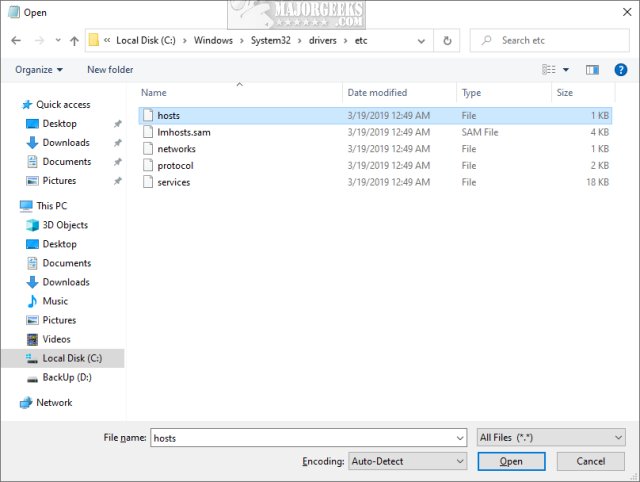
The hosts file is found in your computer’s system folder. On Windows, open the C drive. Then, go to the Windows folder. Inside, find the System32 folder. Next, navigate to drivers, then etc. On Mac, open Finder. Select Go, then Go to Folder. Enter /etc/ and click Go. The hosts file should be there.
Editing the hosts file needs admin rights. Right-click on the text editor. Choose Run as Administrator. On Mac, use the sudo command in Terminal. Without these permissions, you can’t save changes. Always ensure you have the right access.
Backing up the hosts file is important. Copy the file before editing it. Save the copy in a safe place. This way, you can restore it if needed. Mistakes can happen. A backup keeps your system safe.
Credit: www.tenforums.com
Steps To Block Web Fonts
Find out which domains serve the web fonts. Check the website’s source code. Look for links ending in “.woff” or “.ttf”. These are font files. Note down these domains. You will use them later.
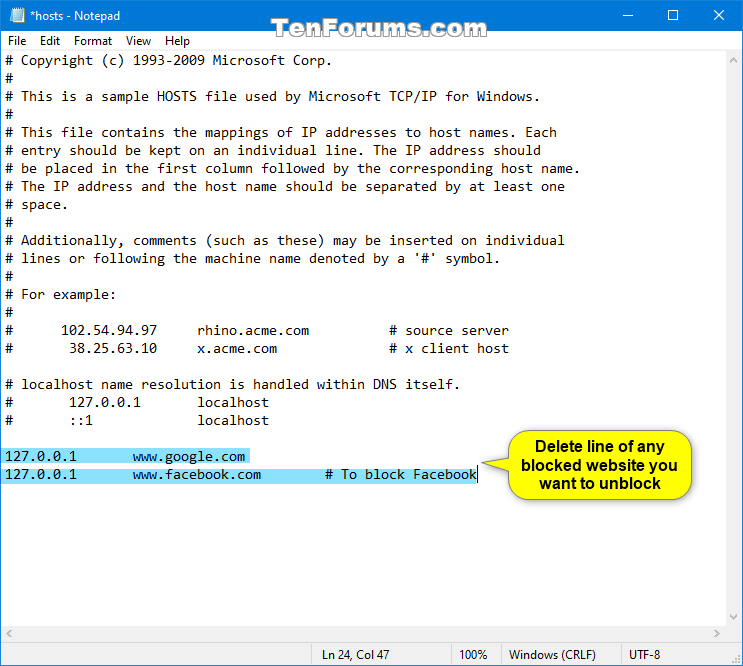
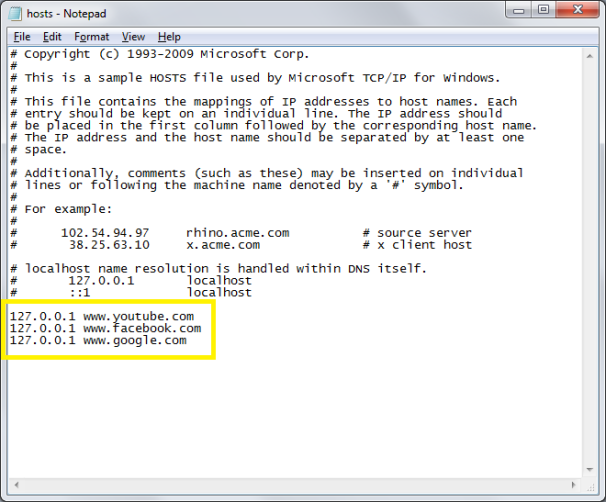
Open the hosts file on your computer. You need administrator rights. Add the font domains here. Use the format “127.0.0.1 example.com”. This blocks the domain. Save the changes. Close the file after saving.
Visit a site using those fonts. The blocked fonts should not load. If they load, recheck the domains. Make sure they are correct. Clear your browser cache. This helps see changes.
Troubleshooting Common Issues
Blocking web fonts using the hosts file can enhance webpage loading speed. By editing this file, you can prevent specific font domains from downloading, reducing bandwidth usage. This method provides a straightforward solution for users wanting faster browsing.
Fonts Still Loading
Blocking web fonts might not always stop them. Sometimes, fonts still load because of cached data. Clear the cache in your browser settings. This often solves the problem. Also, check if the hosts file is saved correctly. Some systems might need a restart after changes.
Access Denied Errors
Access denied errors can occur if you don’t have admin rights. Ensure you are using an admin account. Without it, changes to the hosts file might be restricted. You can ask someone with admin access for help. Check file permissions too. The hosts file should be writable.
Restoring Original Settings
To restore original settings, remove added lines in the hosts file. Save changes and restart your device. This should return everything to normal. Always make a backup before editing. A backup helps if you make a mistake. Keeping a copy is a safe practice.
Credit: www.pcworld.com
Alternative Methods
Modify the hosts file to block web fonts. This method enhances browsing speed and privacy. It involves adding specific lines to the file, preventing fonts from loading.
Using Browser Extensions
Browser extensions can block web fonts. Extensions like uBlock Origin are useful. They stop fonts from loading. This makes pages load faster. It also saves data. Find these in your browser’s store. Choose an extension with good reviews. Install it with one click. It’s easy to use. Just turn it on in your browser.
Content Blockers
Content blockers help stop unwanted fonts. They work like browser extensions. But they block more than just fonts. Ads and trackers are blocked too. Some popular ones are Adblock Plus and Ghostery. These tools protect your privacy. They also make websites load quickly. Easy to set up and use.
Network-level Solutions
Network-level solutions block fonts for all devices. Use a router with blocking features. Set it up to block font URLs. This helps all devices at home. No need to install apps on each device. It keeps browsing fast and smooth. Great for families or shared networks.
Best Practices And Tips
Regular Updates are very important. Always check your hosts file. Web fonts change often. New fonts might appear. Old ones might disappear. Keeping your hosts file updated blocks unwanted fonts.
Monitoring Performance is crucial. Web pages can load faster. Blocking web fonts can help. Check your page speed regularly. See if changes improve it. A faster site makes users happy.
Staying Informed About Web Fonts helps a lot. Learn about new web fonts. Know which ones are popular. Some fonts can slow sites down. Reading about them can be useful. Stay updated on font trends.
Frequently Asked Questions
How To Block Websites Through Hosts File?
Open the hosts file with Notepad as an administrator. Add “127. 0. 0. 1” followed by the website’s URL. Save the file and restart your browser to block the site.
How Do I Block A Site From A Host?
Edit the hosts file on your computer. Add the site’s domain and IP address pointing to 127. 0. 0. 1. Save changes.
How Do I Block A Program In Host?
Edit the hosts file in C:WindowsSystem32driversetc. Add the program’s domain with 127. 0. 0. 1. Save changes.
How To Block Ips In Host File?
To block IPs in the host file, open it using a text editor. Add lines with “127. 0. 0. 1” followed by the IP address you want to block. Save changes and restart your computer to apply. This redirects the blocked IPs to your local machine, preventing access.
Conclusion
Blocking web fonts in the hosts file can enhance browsing speed. Simple steps make it easy to control font loading. This method helps reduce distractions and maintain focus. It’s a straightforward way to customize your internet experience. Take control of how websites appear on your screen.
Experiment with settings to find what suits your needs best. Remember, changes can improve both performance and aesthetics. Make web browsing more efficient and enjoyable. Explore further options for a personalized touch. Your internet settings, your choice.


