
Are you eager to start your own web hosting business and become a reliable provider in the digital space? If you’ve ever wondered what it takes to offer seamless hosting services, you’re in the right place.
Imagine having the power to empower businesses, bloggers, and entrepreneurs by ensuring their websites run smoothly. With the internet becoming a crucial part of everyday life, your role as a web host provider could be vital in helping others succeed online.
This guide will walk you through the essential steps to become a top-notch web host provider, ensuring you understand the ins and outs without feeling overwhelmed. By the end, you’ll know exactly what to do to kickstart your hosting venture and attract clients who rely on your expertise. Let’s dive in and discover how you can make your mark in the web hosting industry.
Market Research
Knowing your audience is key. Who needs web hosting services? Small businesses, bloggers, and e-commerce sites. These groups often seek reliable hosting solutions. Research their needs. Do they want speed or security? Find out what they are looking for. Listen to their feedback. It helps improve your services.
Competitors are everywhere. Study their offerings. What features do they have? How do they price their services? Look at their strengths. Also, notice their weaknesses. Learn from their mistakes. It can help you improve. Stay updated. Competition changes quickly in web hosting. Keep an eye on market trends.
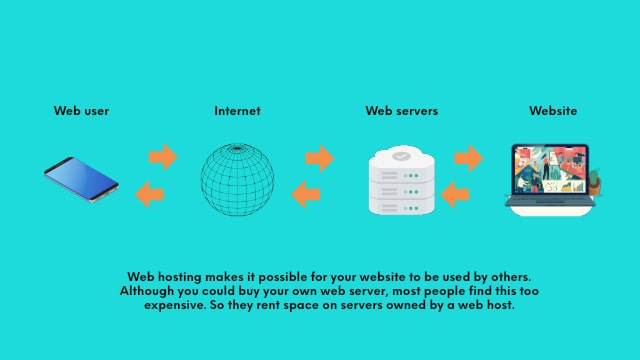
Credit: www.godaddy.com
Business Plan Development
Begin by listing the services you plan to offer. Focus on shared hosting, dedicated servers, and cloud hosting. Ensure each service is clearly defined. Provide reliable support for each service. This helps in building trust with customers. Keep descriptions simple and easy to understand. Highlight the benefits of choosing your services. Ensure each service meets customer needs.
Choose a pricing model that is fair and competitive. Research what other providers charge. Offer tiered pricing to attract different customers. Consider offering discounts for longer contracts. Ensure pricing is transparent with no hidden costs. This helps in gaining customer loyalty. Regularly review and adjust prices as needed.
Technical Infrastructure
Choosing the right server hardware is very important. Servers need to be strong and fast. They should run 24/7 without stopping. Look for servers with high-speed processors and large memory. These help your site work well. Servers also need big storage space. This is for all the files and data. Think about how many users will visit your site. More users need stronger servers.
Software makes your server work better. Pick software solutions that are easy to use. Good software should be safe and keep data secure. Control panels help manage servers. They are important for web hosting. Popular choices are cPanel and Plesk. These make tasks simple. Choose software that updates often. This keeps your site safe and running smoothly.
Legal Requirements
Starting a web host business needs a registered business entity. Many choose to create a company for this. This offers legal protection. You must decide the type of entity. Options include LLC or corporation. Each has different rules and benefits. Think about your future plans when deciding. A lawyer can help with this step. Registering ensures you comply with local laws. You need a business name. It should be unique and memorable. This name represents your brand.
Web host providers must follow industry regulations. These rules keep customers safe. You should learn about data protection laws. These laws stop misuse of personal info. Know about copyright rules too. Protecting content is important. Different countries have different rules. Stay updated on changes. Non-compliance can lead to fines. It’s better to be safe than sorry. Consulting an expert can help. They guide you through the process.
Branding And Marketing
Building a strong brand identity is key. Choose a unique name and logo. Make sure it’s easy to remember. Your website should show your brand colors. This helps people remember you. Write clear and simple messages. Your message should say what makes you special. Use your brand everywhere. On social media. In emails. Keep it consistent. Be different from others. Stand out.
Start with your target audience. Know who they are. What do they need? Make a plan to reach them. Use online ads. Social media is powerful. Share interesting posts. Tell stories. Stories make people care. Use emails to update your customers. Keep messages short and clear. Offer deals or discounts. Make sure your website is easy to use. People should find information fast.
Credit: sourcebae.com
Customer Support
Having strong support channels is crucial for a web host provider. Customers need help. Offer support through phone, email, and live chat. These channels help users solve problems fast. Make sure your staff is friendly and trained well. They should handle questions with care. Providing quick responses builds trust with users.
A ticketing system organizes customer requests. It helps track each problem. Customers feel heard when issues are logged. The system assigns requests to the right team member. This makes solving issues easier. It keeps everything in order. An organized system leads to happy customers. Happy customers stay longer. They recommend your service to others.
Security Measures
Ensuring robust security measures is crucial for web host providers. Protect client data through strong encryption and regular software updates. Implement firewalls and monitoring systems to detect threats early.
Data Protection Protocols
Web hosts must protect user data. Data encryption is key. It scrambles information. Only authorized users can read it. Secure Socket Layer (SSL) is useful. It keeps data safe online. Regular backups are important. They prevent data loss. Access controls limit who sees sensitive information. Only trusted staff should have access. Firewalls guard against attacks. They block harmful traffic. Always update software. It fixes security flaws. Strong passwords protect accounts. Use complex passwords. Change them often.
Cybersecurity Best Practices
Train staff about threats. Everyone should know about phishing. It tricks people into giving information. Antivirus software helps. It detects and removes malware. Monitor network activity regularly. This helps find suspicious behavior. Encourage safe browsing. Avoid risky sites. Use two-factor authentication. It adds an extra layer of security. Stay informed about new threats. Regularly check security news. Educate users about safe practices. They should know how to protect themselves online.

Credit: fleek.xyz
Scaling The Business
Growth requires more power. Add more servers to handle traffic. This keeps websites fast and responsive. A strong network ensures smooth operations. It’s important to have backup systems. These systems protect against failures. Aim for high uptime. This makes customers happy.
Provide different hosting plans. Offer shared hosting for small sites. Add VPS for medium projects. Include dedicated servers for large needs. Each plan should have its own features. Some clients need extra security. Offer SSL certificates to meet this need. Others want domain registration. Include it for convenience. More choices attract more clients.
Frequently Asked Questions
How To Become A Web Hosting Provider?
To become a web hosting provider, first select a reliable server infrastructure. Offer diverse hosting plans, ensuring competitive pricing. Implement user-friendly control panels and robust security measures. Build a responsive customer support team. Promote your services through SEO, social media, and digital marketing strategies.
Can I Be My Own Hosting Provider?
Yes, you can be your own hosting provider. It requires technical skills and resources like servers, networking equipment, and software. You’ll need to manage security, backups, and maintenance. Consider costs, reliability, and scalability before proceeding. It’s often more efficient to use established hosting services for convenience and support.
How To Start A Web Hosting Service?
Research the web hosting industry. Choose a reliable server infrastructure. Acquire necessary licenses. Set competitive pricing. Market your services effectively.
Is Web Hosting Profitable?
Web hosting can be profitable with effective management and marketing strategies. Offering quality service attracts more clients. Focus on scalability, customer support, and competitive pricing to boost profitability. Analyze market trends and optimize resources for sustainable growth. Building a strong brand reputation enhances earnings potential.
Conclusion
Choosing to become a web host provider is rewarding. It offers growth. Requires dedication. Understanding customer needs is crucial. You must prioritize reliable service. Invest in strong infrastructure. Security matters. Clients trust secure platforms. Keep learning to stay competitive. Technology evolves fast.
Build strong relationships with clients. Good communication is key. Keep it simple and clear. Support teams play a big role. They solve issues quickly. Happy customers mean success. Start small, grow steady. Success takes time and patience. Embrace challenges, learn from them.
Your journey can inspire others. Stay committed, and you’ll achieve your hosting goals.


