

Losing your WordPress blog posts can be frustrating and stressful. Imagine spending hours writing content, only to have it vanish without a trace.
But what if you could easily protect your work and never worry about losing it again? You’ll discover simple, effective ways to back up your WordPress blog posts. By the end, you’ll feel confident that your hard work is safe and secure.
Keep reading to learn how to take control of your blog’s future right now.

Credit: wpindigo.com
Why Backup Your WordPress Blog
Backing up your WordPress blog is a smart habit every blogger should adopt. Your blog posts represent your hard work, ideas, and time. Losing them can be frustrating and harmful to your online presence. Regular backups keep your content safe and help you restore it quickly if trouble occurs.
Risks Of Losing Content
Website crashes happen. Sometimes, hackers attack and delete files. Hosting servers can fail without warning. Updates or plugins might cause errors. Even accidental deletion can wipe your posts. Without backups, recovering lost content can be impossible. These risks show why backups are essential.
Benefits Of Regular Backups
Backups protect your blog from data loss. They let you restore content fast and easily. Regular backups save time and stress during problems. You keep control of your site’s history. It also helps you fix mistakes or undo changes. Backups give peace of mind for your blog’s safety.
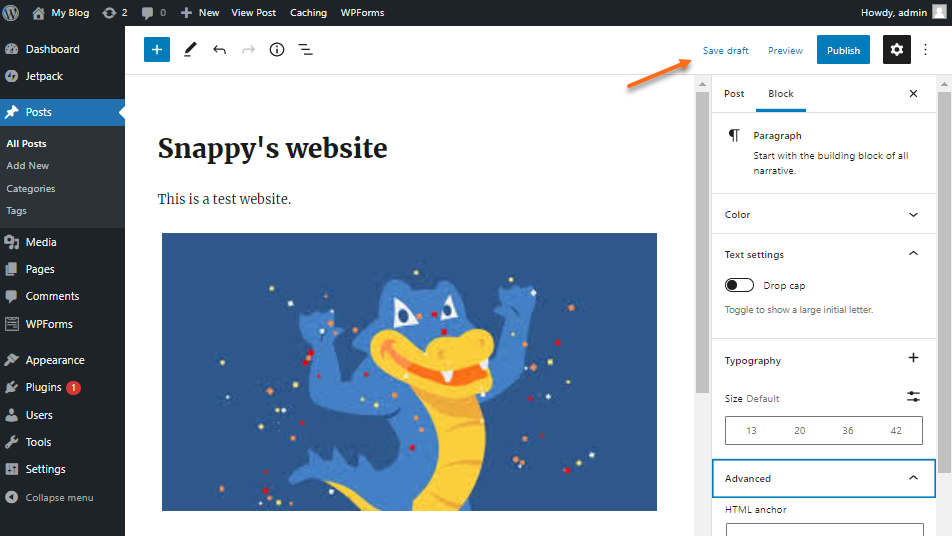
Credit: www.hostgator.com
Backup Methods For WordPress
Backing up your WordPress blog is very important. It protects your content from data loss. There are several ways to back up your site. Each method suits different needs and skills. Choose the one that fits you best.
Manual Backup Via Cpanel
Manual backup through cPanel is simple and free. Log in to your hosting account and open cPanel. Find the “File Manager” to download your WordPress files. Then, use “phpMyAdmin” to export your database. Save these files on your computer or external drive. This method gives you full control over your backup.
Using WordPress Plugins
WordPress plugins make backups easy and quick. Install a backup plugin from the WordPress repository. Most plugins allow automatic backups on a schedule. You can save backups to your computer or cloud storage. Plugins also let you restore your site with one click. This method suits users who want a hands-off approach.
Cloud Backup Services
Cloud backup services store your data safely online. They offer automatic backups without manual work. Services like Google Drive or Dropbox can be linked to your site. Your backups stay safe even if your computer fails. This method ensures your data is always available and secure.
Step-by-step Manual Backup
Backing up your WordPress blog posts manually is a reliable way to keep your content safe. This process involves exporting your posts, saving your database, and downloading important files. Each step helps you secure your blog data without using extra plugins. Follow these simple steps to create a complete backup of your WordPress blog.
Exporting Posts From WordPress Dashboard
Start by logging into your WordPress dashboard. Navigate to the “Tools” menu and select “Export.” Choose “Posts” to export only your blog posts. Click the “Download Export File” button. This action saves an XML file with all your posts. Keep this file safe for later use or restoration.
Backing Up Database Via Phpmyadmin
Access your web hosting control panel and open phpMyAdmin. Select your WordPress database from the list. Click the “Export” tab at the top. Use the “Quick” export method and choose “SQL” format. Press “Go” to download the database backup. This file contains all your content, settings, and user data.
Downloading WordPress Files
Use an FTP client or your hosting file manager. Connect to your website’s server. Locate the WordPress root folder, usually named “public_html.” Download all files and folders to your computer. This step ensures you save themes, plugins, and media files. Store these files securely for full site restoration.

Credit: blogvault.net
Top WordPress Backup Plugins
Backing up your WordPress blog is crucial to protect your content. Using plugins makes this process simple and reliable. The right backup plugin saves time and keeps your data safe. Choosing one with the right features is important for your blog’s security.
Features To Look For
Look for plugins that offer automatic backups. Easy restoration options are a big plus. Check if the plugin supports cloud storage like Google Drive or Dropbox. Scheduling backups helps keep your data up-to-date. Also, ensure the plugin is compatible with your WordPress version. A user-friendly interface makes managing backups easier. Security features like encryption add extra protection.
Popular Plugin Options
UpdraftPlus is a trusted option with many features. It supports multiple cloud services and scheduled backups. BackWPup offers a free version with good backup options. It can save backups to various cloud locations. Duplicator helps with both backups and site migration. WPvivid Backup Plugin provides easy backup and restore tools. These plugins are widely used and have good support.
Setting Up Automatic Backups
Install your chosen plugin from the WordPress dashboard. Go to the plugin settings to create a backup schedule. Choose how often you want backups to run. Select a storage location, like a cloud service or your server. Test the backup process to ensure it works correctly. Automatic backups reduce the risk of losing data. They keep your blog safe without extra effort.
Storing And Managing Backups
Backing up your WordPress blog posts is only the first step. Storing and managing these backups correctly is vital to keep your data safe. Proper storage protects your files from loss, theft, or damage. Managing backups well makes it easy to find and restore your posts quickly.
Safe Storage Locations
Choose storage places far from your website server. Cloud services like Google Drive or Dropbox offer secure options. External hard drives also work well for offline backups. Avoid keeping backups only on your computer. Multiple locations reduce the risk of losing all data.
Organizing Backup Files
Name your backup files clearly with dates and details. Use folders for different months or years. Keep backups of themes, plugins, and databases separate. This system saves time when searching for a specific backup. Consistent organization makes your backup process smooth.
Scheduling Backup Frequency
Set a regular backup schedule based on how often you post. Daily backups suit active blogs with frequent updates. Weekly backups work for blogs with fewer posts. Automate the process using plugins or hosting tools. Regular backups ensure you never lose recent content.
Restoring Your WordPress Blog
Restoring your WordPress blog is essential after data loss or site issues. It ensures your content returns safely and your site works smoothly. Knowing how to restore posts and settings saves time and stress.
Restoring Posts From Exported Files
Use the WordPress export tool to save your posts as an XML file. To restore, go to the WordPress dashboard and find the import option. Upload the XML file and start the import process. This brings back your posts, pages, and media easily. Check the imported content for any missing images or links.
Reinstalling Backup Plugins
Backup plugins help create full site copies. Reinstall the same plugin used for backup. Open the plugin and locate the restore option. Upload your backup file and follow the steps to restore. The plugin handles database, files, and settings together. Make sure the plugin version matches your backup for best results.
Troubleshooting Common Issues
Restores can face problems like incomplete data or errors. Clear your browser cache and try again. Check file sizes; large backups may fail. Switch to a default theme to find conflicts. Deactivate other plugins to avoid interference. Contact your host if server limits block the restore. Always keep a second backup before restoring.
Best Practices For Backup Security
Keeping your WordPress blog backups safe is vital. Good backup security stops hackers and data loss. Follow simple steps to protect your backup files. Safe backups mean your blog stays online and your content is secure.
Encrypting Backup Data
Encrypt your backup files to keep them private. Encryption changes data into a secret code. Only you can unlock this code with a password. This stops others from reading your backup if they find it. Use strong encryption tools for better protection.
Using Secure Storage Solutions
Store backups in safe places like cloud services or external drives. Choose storage with strong security features. Avoid saving backups on your main website server. Keep backups offsite to protect against server failures and hacks. Check storage providers for good safety records.
Regularly Testing Backup Integrity
Check your backups often to make sure they work. Testing backups means restoring files to see if they are complete. Broken backups waste time and cause stress. Set a schedule to test backups every month or quarter. Fix any problems right away to stay ready.
Frequently Asked Questions
How Do I Manually Backup WordPress Blog Posts?
You can manually backup WordPress posts using the export tool. Go to Tools > Export in the dashboard. Select “Posts” and download the XML file. This file contains all your blog posts and can be imported later to restore content.
What Are The Best Plugins For WordPress Backup?
Popular WordPress backup plugins include UpdraftPlus, BackupBuddy, and BackWPup. These plugins automate backups and store files offsite. They offer scheduled backups, easy restoration, and support for posts, themes, and databases. Choose one based on your budget and features.
How Often Should I Backup My WordPress Posts?
Backup frequency depends on your posting schedule. For daily posts, backup at least once a day. If you post weekly, weekly backups are sufficient. Regular backups reduce risk of data loss and help quickly restore your site after issues.
Can I Backup WordPress Posts Without Hosting Access?
Yes, you can backup posts via WordPress dashboard using the export tool. This method does not require hosting access. However, full site backups need hosting control or plugins that access the database and files.
Conclusion
Backing up your WordPress blog posts keeps your content safe and secure. Regular backups protect you from data loss and hacking. Choose a backup method that fits your needs. Store your backups in more than one place for safety. Check your backups often to make sure they work.
Taking these simple steps saves time and stress later. Start backing up today to protect your hard work.


