
Are you looking to give your WordPress site a fresh and cohesive look? Adding theme pages can be the game-changer you need.
Whether you’re a seasoned WordPress user or just getting started, knowing how to effectively incorporate theme pages can elevate your website’s appearance and functionality. Imagine visitors landing on your site and instantly feeling engaged, thanks to a seamless design that reflects your brand’s personality.
In this guide, you’ll discover straightforward steps to add theme pages to your WordPress site effortlessly. Get ready to transform your website into a visually appealing and user-friendly platform that keeps your audience coming back for more. Stay with us, and let’s dive into the world of WordPress themes together!

Credit: wordpress.org
Choosing The Right Theme
Think about what you want on your website. Is it a blog, a shop, or something else? Knowing this helps pick the right theme. Write down features you need. Like a photo gallery or a contact form. Simple themes load faster and are easier to use. Complex themes have more features but might be slow. Decide what’s best for you. Always keep your needs in mind.
Many people love themes like Astra and OceanWP. These are popular because they are easy to use. They also look good on phones and computers. Check how often themes get updates. Updated themes have fewer bugs. Look at user reviews and ratings. Good reviews mean many people like them. Try a few themes before you choose. Find one that fits your style and needs.

Credit: learn.wordpress.org
Installing A New Theme
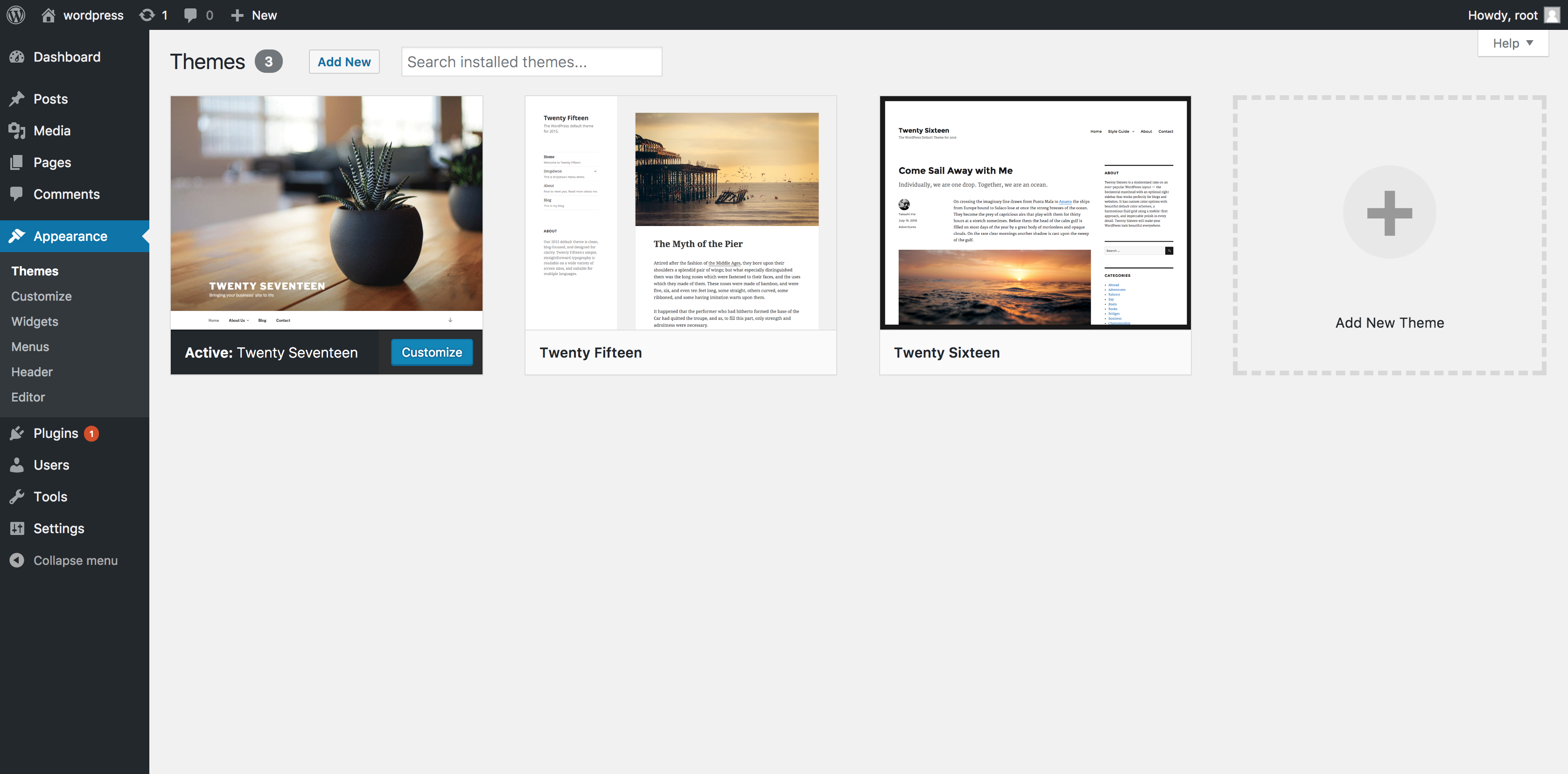
The WordPress Repository has many free themes. Open your WordPress dashboard. Go to Appearance and click Themes. You will see a list of themes. Use the search bar to find a theme. Click on the theme you like. Press the Install button. Wait for the installation to finish. Then, click Activate. Your theme is now ready.
Download the theme file from the internet. It should be a zip file. Open your WordPress dashboard. Go to Appearance and click Themes. Click on Add New. Press Upload Theme. Choose your zip file. Press the Install Now button. Wait for the upload to finish. Click Activate. Your new theme is now in use.
Customizing Theme Pages
The WordPress Customizer is easy to use. It helps you change your site. You can change colors, fonts, and more. First, go to your WordPress dashboard. Next, find the Appearance menu. Click on Customize. This opens the Customizer. Here, you can see changes live. It is like magic!
Make your site look great. Add your own style. You can add a logo. Change the background. Even change the header. All changes are saved. Click Publish when done. Your site is now unique. Have fun trying different settings. Make your site stand out.
Theme settings help control your site. They are easy to find. Go to your dashboard. Click on Appearance. Then click Themes. Choose the theme you like. Now, find Theme Options. Here, you can change many things. Change the layout. Change the colors. Add widgets if you like.
Some themes have extra settings. These are for special features. Read the theme’s guide. It helps you know what to do. Always save your changes. This keeps your work safe. Themes make your site look nice. Pick one that fits your style. Enjoy making your site special.
Creating Custom Page Templates
WordPress uses a template hierarchy system. This helps decide which template file to use. It finds the best match for your page. Each page type has its own template. For example, a single post uses single.php. A category page uses category.php. If a specific template is not found, it uses a default one. Knowing this helps in creating custom pages. It makes your site look unique.
First, you need to create a new file. Name it something like my-template.php. Place this file in your theme’s folder. Write this code at the top: php / Template Name: My Template / ?. This tells WordPress it is a custom template. Now go to your WordPress dashboard. Create or edit a page. Look for “Template” in page attributes. Select “My Template” from the dropdown. Save your page. Now, your page uses the new template.
Adding And Managing Widgets
Widgets help you add extra features to your site. They make your site more fun and useful. You can find them under the Appearance menu in WordPress. Click on Widgets to see all options. It’s easy to drag and drop them. You can put them in different places on your site.
Using Widget Areas
Widget areas are spots on your site where you can place widgets. Common areas are the sidebar and footer. You choose where you want your widget to show up. Just drag it to the area you want. Each theme has different widget areas. Some themes have many areas. Others have just a few.
Customizing Widgets
After you add a widget, you can change it. Click on the widget to open its settings. You can change its title and other options. Make sure to save your changes. This way your site looks just right. Try different settings to see what looks best.
Credit: www.namecheap.com
Enhancing Themes With Plugins
Selecting the right plugin is important. Check compatibility with your theme. Look for plugins that suit your needs. Read reviews for each plugin. See if others had problems. Check updates. Plugins should be updated often. Make sure they work with your WordPress version. Avoid plugins with bad feedback. Choose ones with good support.
First, go to the WordPress dashboard. Click on “Plugins” in the menu. Then, click “Add New”. Use the search bar. Find the plugin you need. Click “Install Now” once you find it. After installation, click “Activate” to start using the plugin. If you downloaded a plugin, upload it using the “Upload Plugin” button. Check if it works well with your theme.
Ensuring Theme Responsiveness
Testing on different devices is crucial. Use phones, tablets, and computers. Check how your theme looks on each. Does it fit the screen? Are buttons easy to tap? If the theme doesn’t look right, you may need to adjust. It’s important for a theme to look good everywhere. This keeps users happy. It also helps your site rank better. Google likes sites that work well on all devices.
Making necessary adjustments can fix issues. Use the WordPress Customizer to tweak your theme. Change the layout or font size. Ensure images are not too big. They should load quickly. You might need to update the CSS file. This file controls the theme’s style. Always save your changes. Then, test again on all devices. Repeat this until everything looks perfect.
Optimizing For Seo
Choosing the right theme is important. A SEO-friendly theme helps your site rank higher. Look for themes with clean code. They load quickly and improve your site’s speed. Check if the theme is responsive. It should look good on all devices.
Make sure the theme supports SEO plugins. These plugins help with meta tags and keywords. Some themes offer built-in SEO settings. Use them to improve your site’s visibility. A good theme also supports schema markup. This helps search engines understand your content.
Use keywords wisely. Place them in titles and headings. Optimize images with alt text. This helps search engines understand them. Write unique content. It attracts visitors and keeps them engaged.
Use internal links to connect pages. This improves site navigation. Make URLs short and descriptive. They should be easy to read and understand. Avoid using duplicate content. It confuses search engines and lowers your rank.
Frequently Asked Questions
How Do I Add Theme Pages In WordPress?
To add theme pages in WordPress, go to your dashboard. Navigate to Appearance > Themes, and choose a theme. Once activated, access the theme’s settings to customize pages. You may use page builders like Elementor for more flexibility and design options.
Can I Customize A WordPress Theme Page?
Yes, you can customize WordPress theme pages. Use the built-in WordPress Customizer for basic changes. For advanced customization, consider using page builder plugins like Elementor or WPBakery. These tools offer drag-and-drop functionality and numerous design elements.
What Is A WordPress Theme Page Template?
A WordPress theme page template defines the layout of a page. Templates can vary, providing different structures and styles. Themes often offer multiple templates for various types of pages, such as blog posts, contact pages, or landing pages.
Do All Themes Support Page Customization?
Not all WordPress themes support extensive page customization. Some themes are more flexible, offering numerous customization options. It’s essential to choose a theme that fits your needs. Premium themes usually offer more customization features compared to free ones.
Conclusion
Adding theme pages in WordPress is simple and rewarding. With these steps, your website design will improve. Start by choosing a suitable theme. Then, add theme pages from the WordPress dashboard. Customize them to match your style and content. Remember, consistency is key.
Keep your website organized. This will enhance user experience. Updating themes regularly ensures security and functionality. Practice makes perfect. So, try different themes. Explore their options. This way, you’ll learn and grow. Soon, you’ll create a website that stands out.
Enjoy the process and happy designing!


