Are you looking to make your WordPress website stand out in search results? Adding rich snippets can do just that.
Rich snippets give your listings extra information like ratings, reviews, and images, making them more attractive and clickable. Imagine your site catching more eyes and getting more visitors without spending a dime on ads. You’ll discover simple, step-by-step ways to add rich snippets to your WordPress site—even if you’re not a tech expert.
Ready to boost your traffic and improve your search presence? Let’s dive in!

Credit: aioseo.com
What Are Rich Snippets
Rich snippets are special pieces of information that appear in search results. They show extra details about a webpage. These details help users understand the content better before clicking.
Rich snippets can include star ratings, images, prices, or event dates. They make your listing stand out on search engines. This can increase the chances of people visiting your site.
What Are Rich Snippets?
Rich snippets are enhanced search results. They use structured data to display extra information. This data helps search engines understand your content clearly.
How Do Rich Snippets Work?
Websites add special code called schema markup. This code tells search engines about the page content. Search engines then show this info as rich snippets.
Why Are Rich Snippets Important?
Rich snippets improve your website’s appearance in search results. They attract more clicks by showing useful info. This can lead to more traffic and better engagement.
Benefits Of Rich Snippets For Seo
Rich snippets improve how your website appears in search results. They show extra details below the page title, like ratings or prices. These details help your site stand out from others. Rich snippets can increase clicks and bring more visitors to your site.
Search engines like Google use rich snippets to better understand your content. This better understanding helps your pages rank higher. Rich snippets also make your listings look more trustworthy and appealing. This leads to more people choosing your page over others.
Enhanced Visibility In Search Results
Rich snippets add extra information that catches the eye. Star ratings, images, or event dates appear right in the search results. This makes your listing more noticeable than plain text links. More visibility means higher chances of getting clicks.
Improved Click-through Rates (ctr)
Extra details encourage users to click your link. People prefer listings with clear, useful information. Rich snippets provide that information upfront. This can boost your CTR significantly, driving more traffic to your site.
Better User Experience
Rich snippets give users quick answers before they visit. This saves their time and meets their needs faster. A better user experience can lead to higher engagement and lower bounce rates.
Increased Trust And Credibility
Displaying reviews or product details builds trust with visitors. Users see your site as more reliable and professional. Trust helps turn visitors into customers or followers.
Boosted Local Seo
Rich snippets can show your business address, phone, or hours. This helps local customers find and contact you easily. Local SEO benefits bring more nearby visitors to your site.
Types Of Rich Snippets For WordPress
Rich snippets help your WordPress site stand out in search results. They show extra information below your page title. This helps users find what they need quickly. Different types of rich snippets fit different content types. Knowing these types helps you choose the best one for your site.
Product Snippets
Product snippets show details like price, availability, and ratings. They are perfect for online stores. Shoppers can see key info before clicking your site. This can increase clicks and sales. Use product snippets to highlight your items.
Recipe Snippets
Recipe snippets display cooking time, ingredients, and ratings. Food blogs and cooking sites benefit from these. They make your recipes easy to scan. Users can find recipes that match their needs fast. Recipe snippets make your content more useful.
Review Snippets
Review snippets show star ratings and reviewer comments. They work well for books, movies, or services. Positive reviews attract more visitors. They also build trust with your audience. Use review snippets to show your site’s reputation.
Event Snippets
Event snippets list dates, locations, and ticket info. They suit sites that promote concerts, workshops, or festivals. Users see event details right in search results. This helps boost attendance. Event snippets make your events easy to find.
Faq Snippets
FAQ snippets display questions and answers clearly. They fit sites with common questions or support info. FAQs help users get quick answers without extra clicks. This improves user experience. Use FAQ snippets to organize your content well.
Methods To Add Rich Snippets
Adding rich snippets to your WordPress site helps search engines show more detailed information. This makes your listings stand out in search results. Different methods exist to add rich snippets, each with its own benefits. Choose the one that fits your skills and needs.
Using Seo Plugins
SEO plugins simplify the process of adding rich snippets. Popular plugins like Yoast SEO and Rank Math include built-in schema tools. These tools let you select the type of rich snippet you want. No coding is needed. Just fill in the fields, and the plugin adds the markup automatically.
Manual Schema Markup
Manual schema markup offers full control over your rich snippets. You write the code using JSON-LD or Microdata formats. Then, add it directly to your WordPress theme or posts. This method requires some coding knowledge. It is best for custom or unique content types.
Third-party Tools
Third-party tools generate schema markup without complex coding. Tools like Google’s Structured Data Markup Helper create the code for you. After generating, copy the code and paste it into your WordPress site. This method is simple and flexible for many content types.
Step-by-step Setup With Popular Plugins
Adding rich snippets to your WordPress site helps improve your search appearance. Rich snippets show extra information like reviews, ratings, and events. Using plugins makes this process easier and faster. Below are simple steps to set up rich snippets with popular plugins.
Yoast Seo
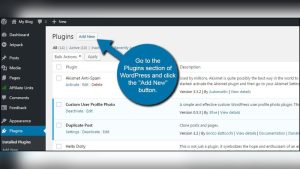
Install and activate the Yoast SEO plugin from your WordPress dashboard. Go to the SEO menu and select “Search Appearance.”
Choose the Content Types tab. Enable the “Show SEO settings for this post type” option.
Fill in the Schema settings for each content type. Select the correct schema type, like Article or Product.
Save changes. Yoast SEO will now add basic structured data to your pages.
Rank Math
Install Rank Math from the WordPress plugin directory and activate it. Open the Rank Math dashboard.
Go to Titles & Meta and select the post type you want to edit.
Scroll to the Schema Markup section. Choose the schema type that fits your content.
Save the settings. Rank Math will automatically add the chosen schema to your posts.
Schema Pro
Purchase, install, and activate Schema Pro on your WordPress site.
Launch the setup wizard. Choose the schema type you want to add, such as Review or FAQ.
Map the schema fields to your site’s content. This lets Schema Pro pull the right data.
Save the settings. Schema Pro applies rich snippets across your site automatically.
Credit: www.wpzoom.com
Testing Rich Snippets Implementation
Testing your rich snippets is a key step after adding them to WordPress. This ensures search engines read your structured data correctly. Proper testing helps avoid errors that can stop rich snippets from appearing in search results. Use tools designed to check your markup and find any issues quickly. Validated rich snippets improve your site’s visibility and click rate.
Google Rich Results Test
The Google Rich Results Test tool checks if your page supports rich results. Enter your page URL or code snippet. The tool scans your structured data for errors and warnings. It shows which rich result types your page qualifies for. Fix any errors it finds to make your snippets work well.
Schema Markup Validator
The Schema Markup Validator is another tool to verify your structured data. It highlights errors and warnings in your schema code. Use it to test your JSON-LD, Microdata, or RDFa markup. This tool helps make sure your rich snippets follow schema.org standards. Clean markup improves search engine understanding and snippet display.
Common Mistakes To Avoid
Adding rich snippets to WordPress can boost your site’s visibility in search results. Yet, many make mistakes that stop rich snippets from working correctly. Avoiding these errors saves time and improves your SEO results.
Rich snippets rely on correct code and clear data. Mistakes in setup can confuse search engines. This section covers common errors to avoid for better rich snippet performance.
Incorrect Use Of Schema Markup
Using the wrong schema type can mislead search engines. Choose the schema that best fits your content. For example, use “Recipe” schema for food posts, not “Article.”
Mixing different schema types on the same page causes errors. Keep your markup simple and relevant.
Missing Required Properties
Each schema type has required fields. Leaving these out stops rich snippets from showing. Always fill in essential details like name, image, and description.
Check schema documentation to find all required properties. Use tools to test your markup before publishing.
Using Plugins Without Proper Configuration
Many WordPress plugins add schema automatically. But wrong settings cause broken or incomplete markup. Review plugin settings carefully to ensure accuracy.
Update plugins regularly to avoid compatibility issues with WordPress or search engines.
Placing Markup In The Wrong Location
Schema code must be in the page’s HTML. Adding it in comments or hidden sections won’t work. Ensure markup is visible in the source code.
Use the WordPress editor or a plugin that inserts markup correctly. Avoid manual code edits that are hard to track.
Ignoring Google’s Structured Data Guidelines
Google has strict rules for rich snippets. Violating these rules can lead to penalties. Read and follow Google’s guidelines closely.
Avoid keyword stuffing or misleading information in your markup. Keep data truthful and clear.
Tips To Maximize Rich Snippets Impact
Rich snippets help search engines show your content better. They can make your site stand out in search results. Using rich snippets correctly can bring more visitors. Here are simple tips to get the best results.
Focus on clear, accurate information. Rich snippets work best when data is easy to find and understand. Keep your content honest and useful. This helps search engines trust your site more.
Use Structured Data Markup Correctly
Structured data tells search engines about your content. Use formats like JSON-LD for easy implementation. Follow schema.org guidelines for your content type. Avoid errors by testing your markup with Google’s tool.
Choose Relevant Rich Snippet Types
Select snippet types that fit your content. Recipes, reviews, events, and products are common choices. Pick those that match your audience’s needs. Irrelevant snippets may confuse users and search engines.
Keep Your Content Updated
Update your pages regularly. Fresh content helps snippets stay accurate and useful. Remove outdated information quickly. This maintains your site’s credibility and snippet visibility.
Improve Page Loading Speed
Fast pages give better user experience. Search engines prefer sites that load quickly. Use caching and optimize images. Fast loading supports rich snippet performance.
Use Clear And Simple Language
Write content that everyone can understand. Avoid complex words and long sentences. Clear language helps search engines and users. This increases the chance of showing rich snippets.

Credit: flothemes.com
Frequently Asked Questions
What Are Rich Snippets In WordPress?
Rich snippets display extra information in search results. They improve visibility and click-through rates. WordPress supports rich snippets through plugins or manual code. Adding them helps search engines understand your content better and attract more visitors.
How To Add Rich Snippets Using Plugins?
Install a rich snippet plugin like Schema Pro or All In One Schema. Configure the plugin to match your content type. These plugins simplify adding structured data without coding. They automatically generate the necessary schema markup for your pages.
Can I Add Rich Snippets Manually In WordPress?
Yes, you can add rich snippets manually by editing your theme files. Use JSON-LD or Microdata format within your page HTML. This method requires coding knowledge and careful implementation to avoid errors. It offers more control but is less user-friendly than plugins.
Which Content Types Support Rich Snippets In WordPress?
Common content types include articles, products, recipes, reviews, events, and FAQs. Each type has specific schema markup to highlight key details. Properly tagging these content types boosts your site’s search appearance and relevance.
Conclusion
Adding rich snippets to your WordPress site helps search engines understand your content. This can improve your website’s visibility and attract more visitors. Use plugins or manual coding to add structured data easily. Test your snippets with Google’s tool to ensure they work correctly.
Keep your data clear and relevant for the best results. Small steps like these make a big difference in search rankings. Start adding rich snippets today to boost your site’s performance.