

Are you looking to make your WordPress website more user-friendly and engaging? Adding a Google Map can do just that.
It helps your visitors find your location quickly and builds trust by showing you’re easy to reach. In this guide, you’ll learn simple, step-by-step ways to add a Google Map to your site—no tech skills needed. Keep reading, and by the end, your website will not only look more professional but also keep your visitors coming back.
Let’s get started!
Credit: motopress.com
Choose The Right Google Map
Choosing the right Google Map for your WordPress site is important. It helps visitors find your location easily. The map should match your website’s style and purpose. This makes the site look professional and useful. Knowing the types of Google Maps and the features you need guides this choice.
Types Of Google Maps
Google Maps offers several types to fit different needs. The standard map shows streets and places clearly. Satellite view displays real images from above. Terrain mode highlights natural features like hills and forests. Each type has its use depending on your business or content. Pick the one that best shows your location and surroundings.
Selecting Map Features
Features make your map more helpful and interactive. You can add markers to show exact locations. Info windows provide extra details when visitors click on a marker. Routes and directions help users plan their visit. Zoom controls let visitors adjust the map view. Choose only the features that improve user experience. Keep the map simple and easy to use.
Get Google Maps Api Key
To add Google Maps to your WordPress website, you need a Google Maps API key. This key lets your site connect to Google Maps services. It is a unique code that tracks your usage and controls access.
Getting an API key involves a few simple steps. Each step ensures your key works correctly and safely on your website.
Create Google Cloud Account
Start by creating a Google Cloud account. Visit the Google Cloud website and sign up using your Google email. If you already have an account, just log in.
Google Cloud is the platform where you manage your API keys and services. This account is necessary to access Google Maps features.
Enable Maps Javascript Api
After logging in, find the Google Maps JavaScript API. This API allows your website to display interactive maps. Go to the API library and search for “Maps JavaScript API.”
Click on it and press the “Enable” button. This action activates the API for your project, making maps work on your website.
Generate And Secure Api Key
Next, generate your API key. Go to the credentials section and select “Create credentials,” then choose “API key.” A new key will appear on your screen.
Secure your key by setting usage limits. Restrict it to your website’s domain to prevent misuse. This step protects your key and controls your API costs.
Add Google Map Using Plugin
Adding a Google Map to your WordPress website improves user experience. It helps visitors find your location easily. Using a plugin makes this task simple and fast. No coding skills are needed. Just install a plugin and set it up.
Top WordPress Map Plugins
Several plugins offer Google Map integration for WordPress. “WP Google Maps” is popular and user-friendly. “MapPress Maps for WordPress” provides good customization options. “Google Maps Widget” is lightweight and loads quickly. Choose a plugin that fits your needs and has good reviews.
Install And Activate Plugin
Go to your WordPress dashboard. Click on “Plugins” and then “Add New.” Type the plugin name in the search box. Click “Install Now” next to the plugin you want. After installation, click “Activate” to enable it on your site.
Configure Plugin Settings
Open the plugin settings from your dashboard menu. Enter your Google Maps API key if required. Set the map location by adding an address or coordinates. Adjust map size and zoom level to fit your page. Save your settings and preview the map on your site.
Embed Google Map Manually
Embedding a Google Map manually on your WordPress site is simple and fast. It helps visitors find your location easily. This method uses a small piece of code from Google Maps. You place this code directly into your WordPress editor. No extra plugins needed. Follow these easy steps to add a Google Map to your page.
Copy Map Embed Code
First, go to Google Maps. Find the location you want to show. Click the “Share” button. Then select the “Embed a map” tab. Choose the map size from the dropdown menu. Copy the HTML iframe code shown. This code contains your map and settings.
Insert Code In WordPress Editor
Log in to your WordPress dashboard. Open the page or post where you want the map. Switch to the “Text” or “HTML” editor tab. Paste the copied iframe code where you want the map to appear. Save or update the page. View your site to check the map is working.
Adjust Map Size And Position
To change the map size, edit the width and height in the iframe code. Use pixels or percentages for width and height values. For example, width=”600″ height=”450″ or width=”100%” height=”400″. To move the map, add alignment code or wrap it in a div with style. Center or float the map to fit your design. Refresh the page to see changes.
Customize Map Appearance
Customizing the map appearance on your WordPress website helps match your brand style. It also improves user experience by making the map easier to read. Small changes can create a big impact. You can change colors, add points of interest, and set the right zoom.
Change Map Style
Choose a color theme that fits your website design. Many plugins and tools offer preset styles like dark, light, or retro. You can also create your own style using Google Maps Styling Wizard. Changing map colors makes your site look unique and professional.
Add Markers And Info Windows
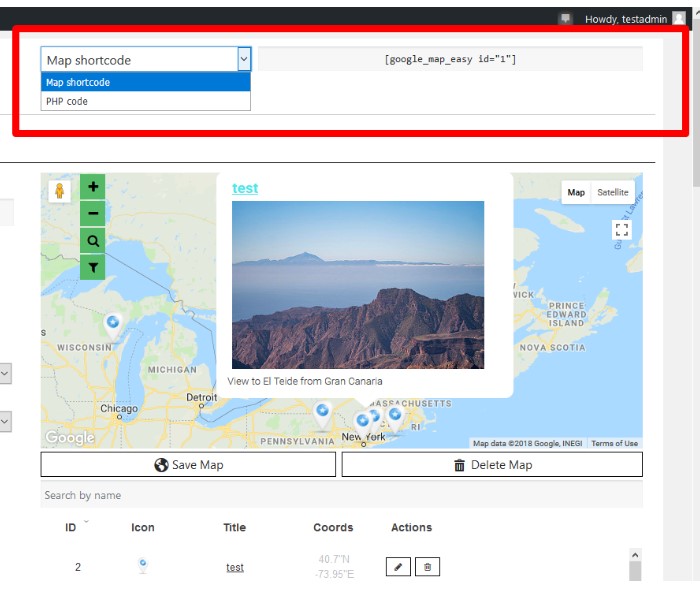
Markers show important locations on your map. You can add custom icons to match your brand. Info windows pop up with more details when users click a marker. This feature helps visitors find key places and learn about them quickly.
Set Zoom Levels
Zoom levels control how close or far the map appears. Set the default zoom to show the area you want visitors to focus on. Adjusting zoom ensures users see the right amount of detail. Too close or too far can confuse visitors or hide important spots.
Credit: supsystic.com
Troubleshoot Common Issues
Adding a Google Map to your WordPress site can boost user experience. Sometimes, issues arise that block the map from showing correctly. These problems can stop visitors from finding your location easily. Troubleshooting common issues helps keep your map working well. This section guides you through fixing typical problems fast.
Fix Api Key Errors
Google Maps needs an API key to work. If the key is missing or wrong, the map won’t show. Check if you entered the API key correctly. Make sure the key has the right permissions enabled. Restrict the key to your website domain only. Also, verify your billing account is active. These steps usually clear API key errors.
Resolve Display Problems
The map may load but not display properly. Clear your browser cache and reload the page. Check if your theme or plugins cause conflicts. Disable other plugins one by one to find the issue. Use a default WordPress theme to test display problems. Ensure the map container has enough width and height in CSS. Fixing these helps the map appear clearly.
Improve Map Loading Speed
Slow map loading can hurt user experience. Optimize images and scripts on your site. Use a caching plugin to speed up page loading. Limit the number of map markers if possible. Lazy load the map so it loads after the page. Choose a reliable hosting service with good speed. These actions make your Google Map load faster.
Optimize Map For Mobile
Optimizing your Google Map for mobile devices improves user experience. Many visitors use smartphones to find locations. A map that looks good and works well on small screens keeps users engaged. Mobile-friendly maps load faster and are easier to navigate. This section covers tips to make your map responsive and how to test it on different devices.
Responsive Design Tips
Use a responsive container for your Google Map. Set the width to 100% so it adjusts to screen size. Avoid fixed widths like pixels. Use CSS to control the height and maintain aspect ratio. This keeps the map visible without scrolling. Make sure zoom controls and buttons are large enough to tap on small screens. Remove any unnecessary elements that clutter the map on mobile. Use simple styling to keep the map clean and easy to use.
Test On Different Devices
Check how your map looks on various devices. Use smartphones, tablets, and desktops for testing. Open your website in different browsers too. Look for any parts of the map that do not load properly or appear too small. Test zoom and pan functions to ensure smooth navigation. Adjust your code based on test results. Testing helps catch problems before users find them.

Credit: www.youtube.com
Frequently Asked Questions
How Do I Embed Google Map In WordPress Site?
You can embed Google Map using the embed code from Google Maps. Copy the iframe code, then paste it into your WordPress page or post using the HTML block for easy integration.
Which Plugin Is Best For Google Maps In WordPress?
Popular plugins include WP Google Maps, MapPress, and Google Maps Widget. These offer customizable maps, easy setup, and responsive design for WordPress sites.
Is Google Maps Free To Use On WordPress?
Google Maps offers a free tier with basic features suitable for most websites. Usage limits apply, and you may need billing info for higher traffic or advanced features.
Can I Customize Google Maps Appearance In WordPress?
Yes, many plugins and Google Maps API allow styling options. You can change colors, markers, and map types to match your website’s design.
Conclusion
Adding a Google Map to your WordPress site helps visitors find your location easily. It makes your website more useful and professional. The process is simple and does not need special skills. Just follow the steps carefully and check your work.
A clear map guides customers and builds trust. Keep your map updated for the best results. Start adding maps today to improve your site’s user experience and reach.


