
Are you frustrated with a menu that just won’t adapt to different screen sizes on your WordPress site? You’re not alone.
A flexible, responsive menu can make all the difference in providing a seamless user experience for your visitors. Imagine your readers navigating your site effortlessly, whether they’re on a desktop, tablet, or smartphone. It’s not just about aesthetics; it’s about functionality and user satisfaction.
In this guide, you’ll discover how to add a flex responsive menu to your WordPress theme, transforming your site into a more accessible and user-friendly platform. Dive in, and you’ll be well on your way to enhancing your website’s navigation and keeping your audience engaged.
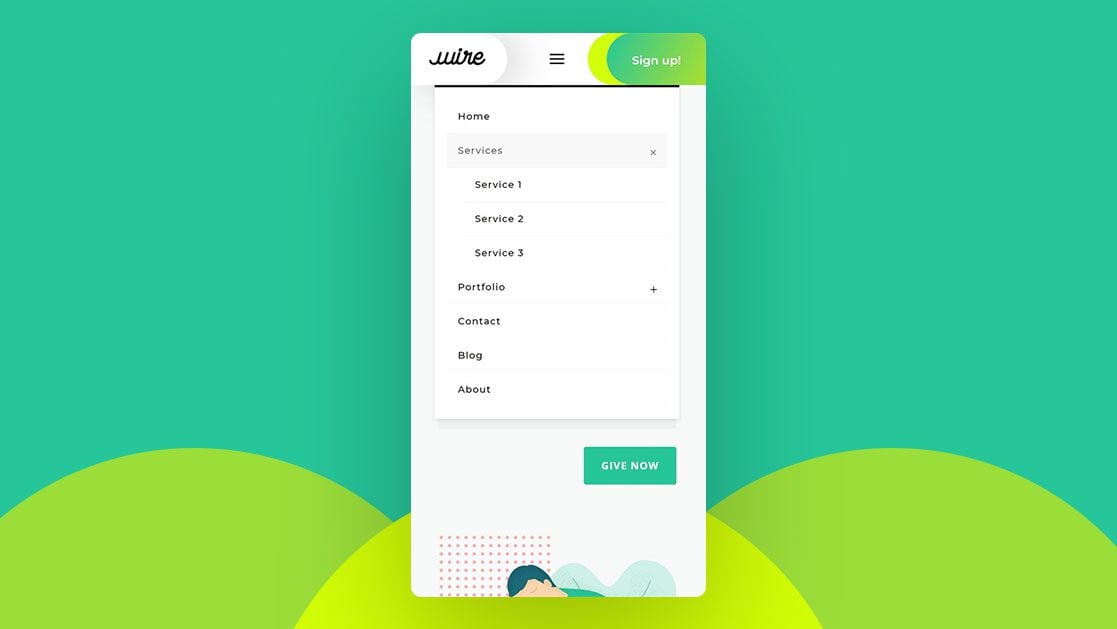
Credit: www.elegantthemes.com
Understanding Flexbox
Flexbox offers a neat solution for adding a responsive menu to WordPress themes. This CSS tool helps structure and organize menu items, ensuring adaptability across devices. Implementing Flexbox enhances user experience with a seamless navigation layout that adjusts to different screen sizes.
Basics Of Flexbox
Flexbox is a layout model in CSS. It helps to place elements easily. Items can be arranged in a row or column. The space between items can also be controlled. Flexbox is useful for making responsive designs. It makes sure items fit on different screens. This is important for phones, tablets, and computers. With Flexbox, items can grow or shrink. This depends on the screen size. It makes designing easier and more flexible.
Advantages Of Flexbox For Menus
Flexbox is great for making menus. It allows easy alignment of menu items. This means the menu looks good on all devices. With Flexbox, you can center items. You can also space them out evenly. This makes the menu look neat and tidy. Another advantage is that it is easy to update. Adding or removing menu items doesn’t break the layout. Flexbox helps to create a menu that is both beautiful and functional.
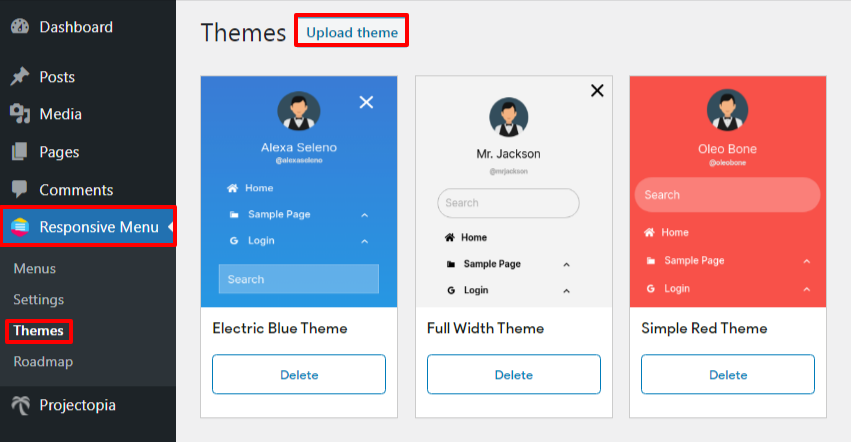
Credit: responsive.menu
Setting Up Your WordPress Environment
The theme is very important. It shapes your site’s look. Select a theme that supports responsive design. Check if it has a flexible menu. This ensures your site works on all devices. Look for themes from trusted sources. These are often more reliable. Read reviews before choosing. Happy customers mean good themes.
Plugins add features to your site. Install a plugin for responsive menus. Some plugins help with menu design. Check plugin ratings before downloading. Good ratings show quality. Choose plugins that are easy to use. This saves you time. Most plugins come with instructions. Follow them carefully for best results.
Creating A Custom Menu
First, decide the menu layout. Choose between horizontal and vertical styles. Each style has its own charm. Select colors that match your theme. This makes the menu look pretty. Add some padding for space between items. Space helps items stand out. Use CSS for custom styles. CSS is like magic for design.
Log in to your WordPress dashboard. Go to the Appearance section. Click on Menus. There, add menu items like pages or posts. Drag items to arrange them. Make sure to save the changes. Check the menu on your website. Ensure it looks good and works well. Test on different devices for responsiveness.
Integrating Flexbox Into Your Menu
Flexbox makes your menu look neat and tidy. It’s a great tool for web pages. To start, you need some basic CSS. Use it to create a flex container. This container holds your menu items. It helps them line up nicely. Next, apply display: flex to the container. This is the magic step.
Using Css For Flexbox
CSS can change how your menu looks. With Flexbox, you can adjust the direction of items. Use flex-direction to set them in a row or column. Want them spaced out? Use justify-content. It helps spread items evenly. Aligning items is easy too. Just use align-items.
Adjusting Menu Styles
Style your menu to make it special. Change the background color or font size. Add some padding for space around the items. You can make the menu look different on phones. Use media queries for that. Flexbox works well on different screens. It keeps your menu looking good everywhere.
Ensuring Menu Responsiveness
Create a flexible menu in your WordPress theme to improve user experience. Use CSS and JavaScript to make your menu adapt to different screens. This ensures your site looks good on all devices, enhancing accessibility and engagement.
Media Queries For Different Devices
Use media queries to make menus fit all screens. Set breakpoints for phones, tablets, and desktops. This ensures the menu adjusts well. A mobile menu should be simple. Use media queries like @media to change styles. A desktop menu may have more features. Keep designs neat and clear.
Testing Menu On Various Screens
Test the menu on different screens. Use tools to check on phones, tablets, and computers. This makes sure everyone sees the menu properly. Adjust the design if it looks odd. Testing helps catch mistakes early. Make sure links are easy to click. Good design makes users happy.
Enhancing Menu With Javascript
Boost your WordPress theme with a flex responsive menu using JavaScript. This dynamic addition ensures your site is mobile-friendly and easy to navigate. Enhance user experience by seamlessly integrating flexible design elements.
Adding Toggle Functionality
Use JavaScript to make your menu more interactive. Add a toggle button for mobile devices. This button will show and hide the menu. First, create a button in your HTML. Give it an id like menuToggle. Then, in your JavaScript file, select this button. Use document.getElementById to select it. Add an onclick event to the button. Inside this event, toggle the class of your menu. This class will make the menu appear or disappear. Now, your menu can open and close. It is simple and effective.
Smoothing Transitions
Smooth transitions make your menu look nice. Add CSS to your menu’s class. Use the transition property. Set it to all 0.3s ease. This makes changes happen smoothly. When the menu opens, it will slide out. When it closes, it will slide back. Users will like this smooth effect. It adds a professional touch. Make sure to test it on your site. You want everything to work well.
Troubleshooting Common Issues
Adding a flex responsive menu to a WordPress theme can be tricky. Ensure your theme supports flexbox. Check compatibility with mobile devices to maintain responsiveness.
Fixing Alignment Problems
Menu alignment can cause headaches. First, check your CSS styles. Make sure flexbox properties are correctly set. Use justify-content for horizontal alignment. Use align-items for vertical alignment. Sometimes, container width affects alignment. Set it to 100% for full width. Ensure padding and margins are balanced. Unbalanced margins can shift menus. Use margin: auto; for centering. Finally, check for fixed widths. Fixed widths can restrict alignment.
Resolving Browser Compatibility
Menus may not work in all browsers. Use vendor prefixes for CSS properties. Prefixes ensure compatibility across browsers. Test your menu in major browsers. Chrome, Firefox, and Safari are key. Update your browser versions regularly. New versions fix compatibility issues. Use online tools for testing. These tools highlight browser-specific problems. Finally, consider using a polyfill. Polyfills add missing features to older browsers. They enhance compatibility.
Credit: themeforest.net
Optimizing Performance
Enhance your WordPress theme by adding a flex responsive menu. This feature adapts smoothly to different screen sizes, ensuring a seamless user experience. Implementing this menu improves navigation and overall site performance.
Minimizing Css And Javascript
Keep CSS and JavaScript files small. Small files load faster. Use tools like Minify or Uglify. These tools remove unnecessary spaces and comments. They also shorten function names. This makes files smaller. Small files mean less data to download. This helps the menu load quickly. Fast loading is important for users.
Improving Load Times
Load times matter. They affect user experience. Use caching to speed things up. Caching saves a copy of the page. It helps load the page faster next time. Use plugins for caching. Plugins like W3 Total Cache can help. They improve load times. Fast websites make users happy. Happy users stay longer. They visit more pages.
Maintaining And Updating
Regular Theme Updates are essential for a smooth website. Themes change often. These updates fix bugs. They also add new features. Always check for updates. Update plugins too. Outdated themes can cause problems. They can make your site slow. Sometimes, they break parts of your site. Keep your theme updated for best performance. Updates improve security. They also improve site speed.
Adapting to New Technologies keeps your site modern. New tech helps sites run better. It can make your site faster. It can make it safer. Understand new web technologies. Learn how they work. Use them in your site. This keeps your site fresh. It makes it better for visitors. New tech can change how sites look. It can add new functions. Stay informed about changes. This helps your site stay ahead.
Frequently Asked Questions
How Do I Add A Responsive Menu In WordPress?
To add a responsive menu in WordPress, use a plugin like WP Responsive Menu or create custom CSS. Plugins offer easy configuration. Custom CSS requires coding skills. Both methods ensure your menu adapts to various screen sizes, enhancing user experience on mobile devices.
What Is A Flex Responsive Menu?
A flex responsive menu uses CSS Flexbox to create adaptable layouts. It adjusts menu items’ alignment based on screen size. This ensures optimal display across devices, improving navigation. Flexbox simplifies responsive design, making it a popular choice for modern web development.
Can I Customize The Flex Menu Design?
Yes, you can customize the flex menu design using CSS. Modify colors, fonts, and spacing to match your theme. Plugins often offer customization options too. Tailoring the design enhances brand consistency and user experience, making your site visually appealing.
Is A Responsive Menu Important For Seo?
Yes, a responsive menu is crucial for SEO. It improves user experience and reduces bounce rates. Search engines favor mobile-friendly sites. Ensuring your menu is responsive helps maintain visibility in search results, potentially boosting rankings and organic traffic.
Conclusion
Creating a flex responsive menu in WordPress is simpler than it seems. These menus enhance site navigation. They adapt to different screens seamlessly. Users enjoy a smooth browsing experience. Follow the steps outlined for quick setup. Customize your menu to fit your theme.
It makes your site user-friendly and modern. Test your menu on various devices. Ensure it works perfectly everywhere. A responsive menu boosts engagement. Visitors find information easily. It enhances overall user satisfaction. Now your WordPress site is ready to impress.
Keep exploring new features to refine your site further.


